
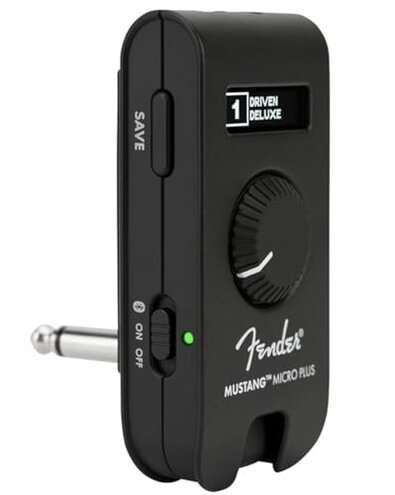
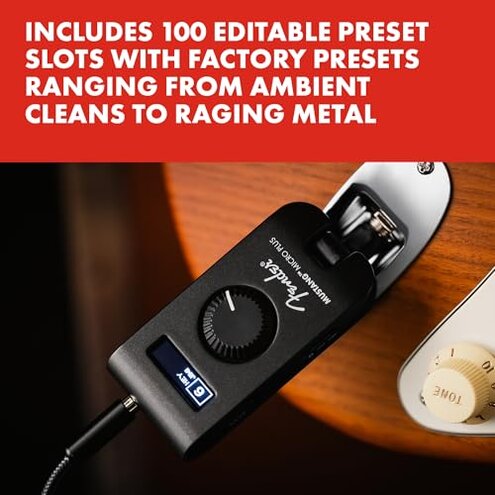
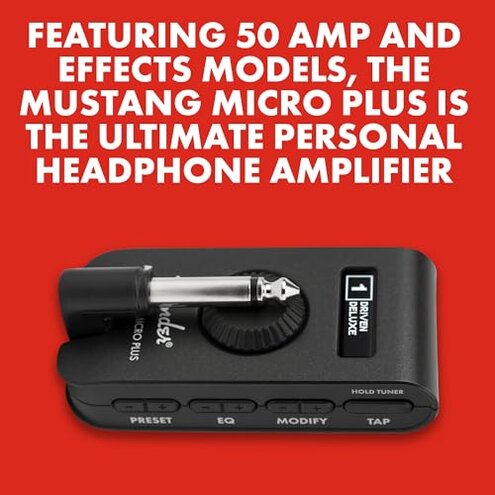
Product evaluated: Fender Mustang Micro Plus Headphone Amplifier Bundle with 12-Pack Picks and Austin Bazaar Instructional Video
Related Videos For You
Headphone Amp Shootout! Boss Katana Go vs Fender Micro Mustang Plus vs NUX MP3
Why Your Bluetooth Headset Is Not Working With Your Computer
Data basis: This report used dozens of written user reviews and several video demonstrations collected through Feb 2026, with most feedback coming from written reviews and supported by videos. The summary highlights recurring buyer signals and hands-on clips to show patterns and real-use moments.
| Outcome | Mustang Micro Plus | Typical mid-range amp |
|---|---|---|
| Bluetooth reliability | Unstable — commonly reported dropouts during practice and streaming. | More stable — mid-range units usually show fewer wireless interruptions. |
| Battery life | Shorter than expected — many users report less than advertised session time. | Average — comparable models often sustain longer continuous play. |
| App & updates | Frequent app/firmware steps needed to fix tones or connection. | Less dependent — alternatives need fewer app interactions to stay reliable. |
| Sound control | Good but fiddly — powerful tones require app editing and presets. | User-friendly — many mid-range amps give similar tones with simpler controls. |
| Regret trigger | Wireless drops — interrupts practice and streaming, higher-than-normal category risk. | Lower risk — competing models less likely to break a session. |
Why does Bluetooth cut out during practice?
Primary pattern: Many users report recurring Bluetooth dropouts that interrupt songs or lessons during a session.
Usage anchor: The issue appears during streaming or paired play, and it worsens when you use the amp with a phone streaming music or online lessons.
Category contrast: This feels worse than expected because mid-range amps usually sustain a stable connection through common phone players and streaming apps.
Is the battery life shorter than advertised?
- Early sign: Battery % drops faster than expected after a few hours of use.
- Frequency tier: This is a primary issue reported across many user posts and clips.
- When it shows up: Problems usually appear after repeated long sessions or full-day use.
- Cause hint: Users link shorter run time to active Bluetooth streaming and high-gain presets.
- Fixability: Temporary fixes require lower volume or wired-only use, not permanent fixes.
Why is the app and UI frustrating?
- Setup friction: The app is a required step for editing presets and often needed to recover tones.
- Update burden: Frequent firmware or app updates are reported as disruptive during practice.
- Hidden requirement: Some fixes require a phone and the app, creating a dependency buyers might not expect.
- Impact: New players find the workflow less intuitive than simpler standalone alternatives.
- Attempts: Users attempt resets and re-pairs, which often only temporarily help.
- Scope signal: Issue appears across platforms in written reviews and video demos.
Will the sound and latency meet my needs?
- Initial impression: Tone models are praised but require time to dial in via the app.
- Latency note: A small number of users report audible lag when Bluetooth audio and guitar signal overlap.
- Frequency tier: Latency is a secondary issue, less common but more disruptive when it occurs.
- When worse: Latency becomes noticeable during streaming lessons and live monitoring of backing tracks.
- Compatibility: Some headphones and phones pair more reliably, creating a compatibility gap.
- Impact on practice: Lag or mismatch interrupts timing-focused practice and recording.
- Fix options: Workarounds include wired headphones or direct cable routing to avoid Bluetooth.
Illustrative excerpts
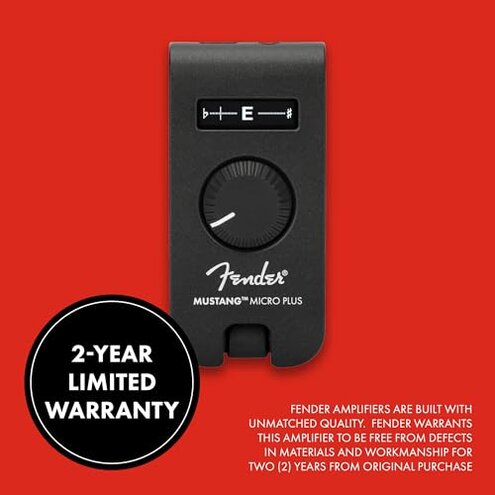
Illustrative: “Bluetooth dropped twice during a 30-minute song practice, then reconnected slowly.” — Primary pattern.
Illustrative: “Battery died quicker than expected on a busking set.” — Secondary pattern.
Illustrative: “Had to update firmware three times before tones matched demos.” — Primary pattern.
Illustrative: “Short lag with streaming backing tracks was annoying but rare.” — Edge-case pattern.
Who should avoid this
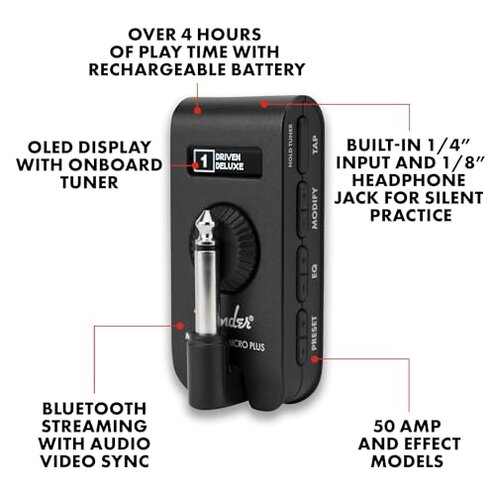
- Frequent wireless users: Avoid if you need steady Bluetooth for lessons or live streaming because dropouts are common.
- Long-session players: Avoid if you rely on extended battery runtime because run time can be shorter than expected.
- Low-tech users: Avoid if you don’t want app dependency since fixes often require the manufacturer app.
Who this is actually good for
- Occasional practice players: Good if you want compact tone options and can tolerate occasional re-pairs.
- Wired-headphone users: Good if you plug headphones directly and avoid Bluetooth-related interruptions.
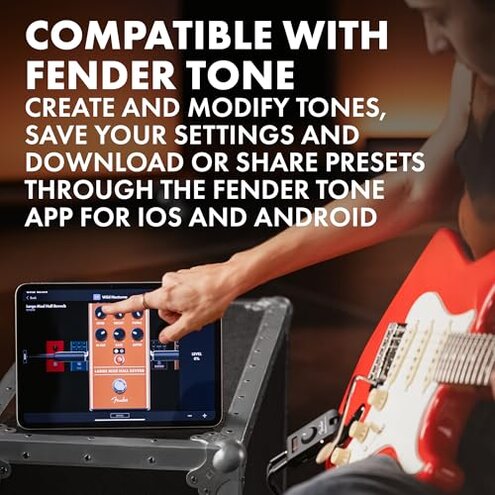
- Tone tinkerers: Good for users who enjoy editing presets in the app and accept the update workflow.
Expectation vs reality
- Expectation: Reasonable for this category is stable wireless playback during lessons.
- Reality: The product shows more dropouts than typical mid-range headphone amps, disrupting lessons.
- Expectation: Reasonable is advertised runtime matching light touring needs.
- Reality: Many users report shorter actual battery under Bluetooth streaming and high-gain presets.
Safer alternatives
- Pick wired-first models: Look for portable amps with a reliable headphone output to avoid Bluetooth dropouts.
- Check battery specs in real use: Prefer models with verified long runtime under streaming, not just advertised hours.
- Favor stand-alone controls: Choose amps with robust onboard knobs to reduce app dependency and update friction.
- Research compatibility: Seek user reports that the amp pairs reliably with your phone and headphones.
The bottom line

Main regret: The most reported trigger is Bluetooth instability, which interrupts practice and streaming.
Why it matters: This exceeds normal category risk because it forces repeated re-pairs and app fixes during sessions.
Verdict: Avoid if you need reliable wireless playtime; consider wired or less app-dependent mid-range alternatives.
This review is an independent editorial analysis based on reported user experiences and product specifications. NegReview.com does not sell products.