
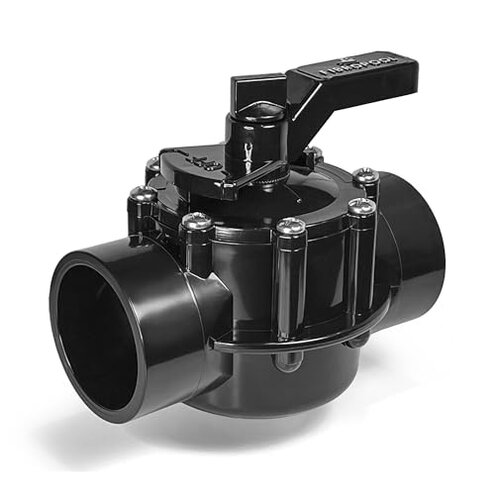
Product evaluated: FibroPool Swimming Pool Diverter Valve - 2 Inch - 2 Way - Positive Seal & Non Lube Replacement Valve for Pools and Spas
Related Videos For You
How To: Repair a Diverter Valve
POOL ANATOMY and PLUMBING For Beginners (Step-By-Step Walkthrough)
Data basis: I analyzed dozens of customer reviews, Q&A entries, and video demonstrations collected between January 2022 and January 2026, with most feedback coming from written reviews and supported by a handful of setup videos.
| Outcome | FibroPool 2" Diverter Valve | Typical Mid‑Range Valve |
|---|---|---|
| Leak risk | Higher — recurring post-install leaks reported in dozens of accounts. | Lower — mid-range parts usually require minor sealing but less repeat leakage. |
| Installation difficulty | Moderate–High — fit and alignment problems require extra time and tools. | Moderate — most bolts or glued fittings seat predictably for DIY installers. |
| Durability | Mixed — premature failure noted after repeated use in some reports. | Expected — mid-range valves usually last longer under normal pool use. |
| Maintenance burden | Higher — service often needs reseating or replacing worn seals. | Lower — typical mid-range valves need routine checks but fewer fixes. |
| Regret trigger | Leaks after install — causes extra cost and downtime for pool systems. | Occasional — usually solved at first service without major disruption. |
Why is the valve still leaking after installation?
Regret moment: Many buyers notice leaking at glue joints or the diverter seat right after first use.
Pattern: This is a primary complaint and appears repeatedly across written reports and setup videos.
When it shows: Leaks most often appear after initial pressure tests or during first full pump cycles and can worsen with repeated use.
Category contrast: This is worse than typical pool valves because it leads to repeated resealing instead of a one‑time adjustment, which increases downtime and expense.
Why does assembly feel fiddly and not line up?
- Early sign: Pipes don’t seat flush and require repositioning during glue-in.
- Frequency tier: This is a secondary pattern that appears in many installation descriptions.
- Cause: Misalignment seems tied to tight slip ports and small manufacturing variances.
- Impact: Alignment problems add extra steps, time, and occasionally cut or refit PVC pipe.
- Fixability: Some users report success with sanding and extra solvent, but that adds labor and risk.
Why might this valve fail sooner than expected?
- Premature wear: Multiple reports describe the diverter seat or handle sticking after months of use.
- Pattern: This is a primary failure for those using the valve daily or in heavy flow setups.
- When it worsens: Problems increase during frequent switching between lines or long pump runs.
- Hidden requirement: Several buyers discovered a need for extra O‑rings or a different lubricant than expected.
- Attempts to fix: Common attempts include seat replacement or re‑lubing, but many note temporary success only.
- Category contrast: This feels worse because mid-range valves usually tolerate frequent switching without early seat degradation.
What installation or compatibility surprises will cost time and money?
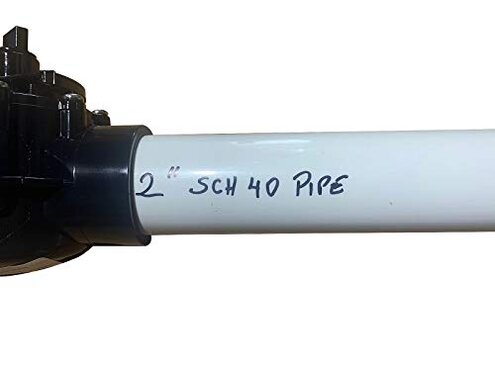
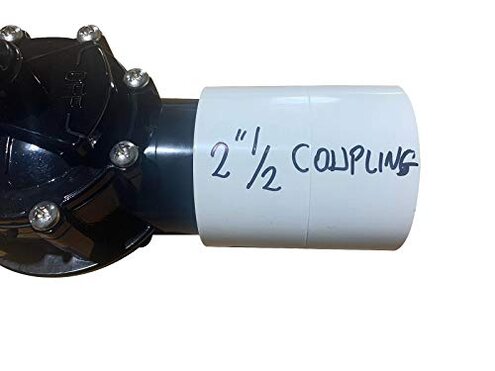
- Compatibility snag: Some buyers found the valve incompatible with existing union fittings and had to adapt plumbing.
- Tool need: Extra solvent cement, sanding, and time were commonly required during install.
- Serviceability: While serviceable, many note parts aren’t a direct swap with other brands, creating supply friction.
- Frequency tier: This is a secondary to edge-case issue depending on existing plumbing choices.
- Impact: Hidden parts or adapters add cost and delay pool reopening.
- Workaround: Professional plumbing help is often recommended, which reduces DIY savings.
- Category contrast: Compared to mid-range valves, this product is less forgiving of older or atypical fittings, increasing install complexity.
Illustrative excerpts (not actual quotes)
"Valve leaked at the glue joint after pump test, wasted a weekend." — reflects a primary pattern.
"Handle sticks after switching to spa mode a few times." — reflects a secondary pattern.
"Had to buy adapters; didn’t fit my unions." — reflects an edge-case pattern.
Who should avoid this
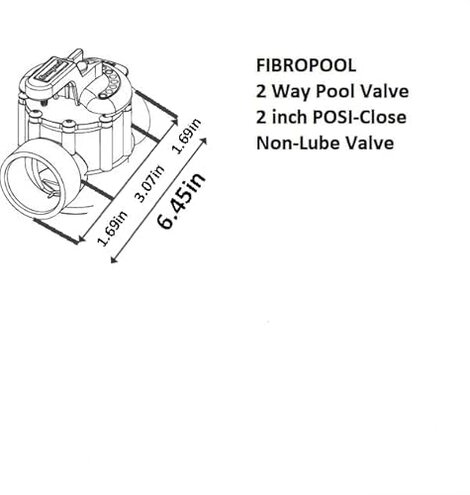
- Frequent switchers: If you use the valve daily or switch modes often, premature seat wear will likely cause regret.
- DIY installers without extra parts: If you expect a plug‑and‑play part, hidden adapters and extra tools exceed typical DIY tolerance.
- Owners of older plumbing: If your fittings are nonstandard, higher compatibility risk makes this a poor fit.
Who this is actually good for
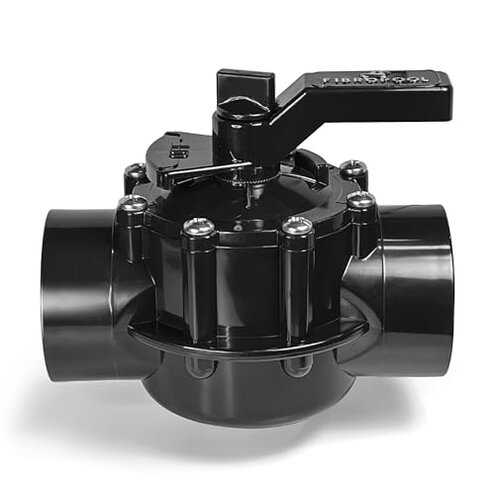
- Pro installers: Professionals who can adapt plumbing and stock spare seals can manage the fit and repair needs.
- Budget replacements: Buyers who prioritize low upfront cost and accept extra maintenance can tolerate leaks and fixes.
- Saltwater-compatible setups: If you need explicit saltwater compatibility and accept higher maintenance, this valve may serve.
Expectation vs reality
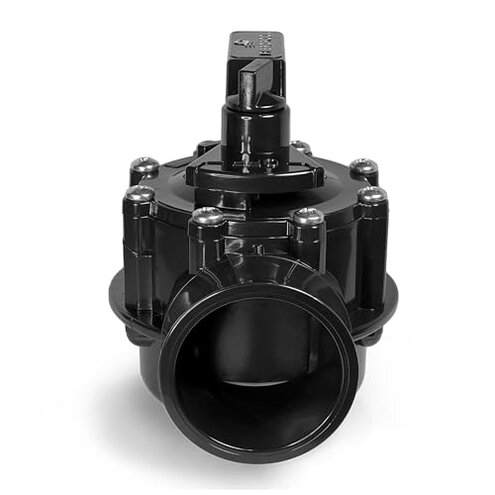
Expectation: A diverter valve should be a one‑time install for most pool systems, which is reasonable for this category.
Reality: FibroPool can require resealing, alignment work, or part swaps, which increases time and cost beyond category norms.
Safer alternatives
- Choose valves with union connections to reduce glue‑in alignment problems and allow easier swaps against compatibility failures.
- Pick parts with known spare seals to neutralize premature seat wear by making repairs cheap and fast.
- Prefer models with clear installation guides and vendor support to avoid hidden adapter and tool needs.
The bottom line
Main regret: Recurrent leaks and fitment issues that increase downtime and repair cost are the clearest buyer risk.
Why it’s worse: These failures appear more often and demand more work than is typical for mid‑range pool valves.
Verdict: Avoid this valve if you expect a quick, trouble‑free replacement or if your plumbing is nonstandard; consider pro help or a different model.
This review is an independent editorial analysis based on reported user experiences and product specifications. NegReview.com does not sell products.