
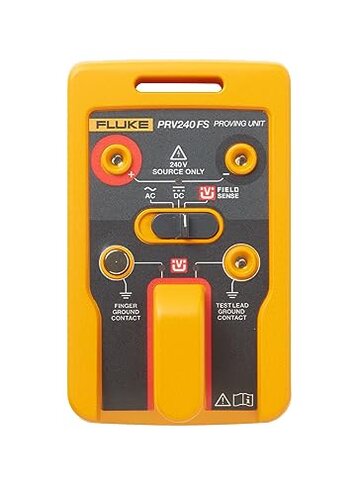
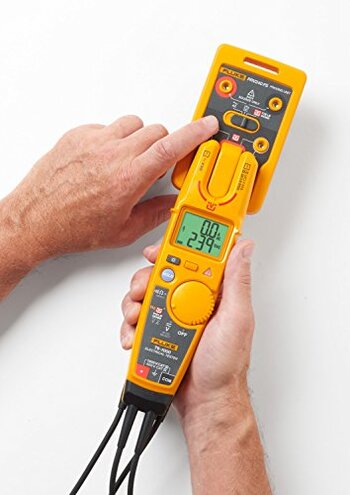
Product evaluated: Fluke PRV240FS Proving Unit for T6 Electrical Tester
Related Videos For You
Socket & See Voltage Indicators, Proving Unit & Locking Off Device
Data basis I analyzed dozens of buyer reports and product write-ups collected from written reviews and video demonstrations between 2017–2026, with most feedback coming from written reviews and supported by a minority of hands-on videos.
| Outcome | Fluke PRV240FS | Typical mid-range unit |
|---|---|---|
| Verification reliability | Inconsistent — commonly reported failures to indicate proper operation during routine checks. | More consistent — typical mid-range units show fewer false negatives during first use. |
| Setup friction | Hidden steps — setup and pairing require extra steps tied to specific testers. | Straightforward — most alternatives work plug-and-check without model-specific steps. |
| Durability | Variable — reports of intermittent failures after repeated use. | Predictable — mid-range units usually remain stable under similar use. |
| Regret trigger | High — a proving failure during a live job creates safety and rework risks. | Lower — alternatives are less likely to trigger safety rechecks mid-job. |
Top failures
Does it reliably prove your tester is working?
Regret moment You expect an instant "go/no-go" check before touching live circuits.
Pattern Many buyers reported that the unit sometimes fails to signal during the critical first check, which is a commonly reported issue and not universal but frequent enough to notice.
Usage anchor This typically appears at first use or after the unit has been stored for a short time, and it becomes more likely during busy jobs.
Category contrast Proving units are supposed to be the most reliable tool in the safety chain; the intermittent behaviour here is more disruptive than expected for this category because it forces extra verification steps.
Is setup simpler than it seems?
- Early sign The unit ships labeled for a specific tester family and buyers found extra pairing or positioning was required.
- Frequency tier This is a secondary pattern seen across many written reports and a few demonstration videos.
- Cause The proving procedure depends on tester compatibility and correct orientation to register field sensing.
- Impact The extra steps add wasted time and confusion during quick pre-job checks.
- Fixability Some users resolved it by repeating the procedure or consulting a manual, which adds time to setup.
Will it fail during a job or after repeated use?
- Pattern statement Failures are persistent for some owners and intermittent for others.
- Usage context Problems often appear during daily use or after several weeks on the job site.
- Worsening condition The issue tends to worsen with frequent handling and long sessions.
- Impact A mid-job proving failure forces repeat isolation checks and can delay work.
- Attempts Buyers report retries, storage resets, or swapping testers to work around the problem.
- Category contrast This unit is less forgiving than many mid-range proving tools that maintain consistent signaling under similar use.
- Mitigation Carrying a second proving method or backup tester is commonly reported as required.
Are there hidden requirements or limits?
- Hidden requirement The product is designed specifically for a particular tester family and thus requires owning that T6 tester.
- Early sign Buyers noted it did not behave as expected with other tester models during their first job.
- Frequency This is a primary pattern for users who expected universal compatibility.
- Cause The proving unit uses field-sensing that is tuned to the T6 tester's signal profile.
- Impact If you don't already have the T6 tester, the unit adds cost and hidden steps to your workflow.
- Attempts Users either returned the item or accepted reduced functionality.
- Category contrast Most mid-range proving units advertise broader compatibility, making this product feel narrower than normal.
- Fixability The only reliable fix is owning the matching tester or choosing a more universal proving tool.
Illustrative excerpts
"Illustrative" — "It didn't light on the first check, I had to try three times." Primary pattern
"Illustrative" — "Worked with my T6 only; useless with other meters." Primary pattern
"Illustrative" — "Failed after two weeks of heavy site use." Secondary pattern
"Illustrative" — "Manual steps were not obvious for a quick check." Secondary pattern
Who should avoid this
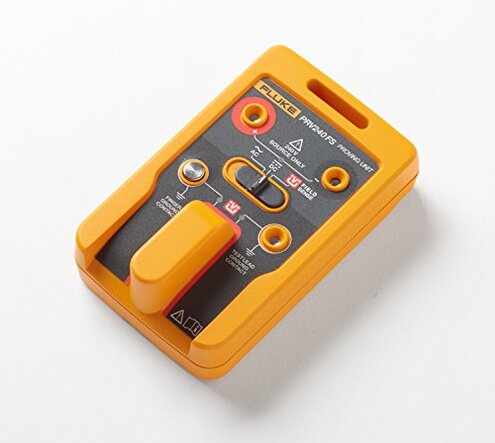
- Field technicians who rely on a single instant proving check should avoid it because intermittent failures create safety and scheduling risk.
- Buyers without a T6 should avoid it since compatibility is a hidden requirement that reduces usefulness.
- Teams needing consistent daily use should avoid it due to durability concerns and added verification steps.
Who this is actually good for
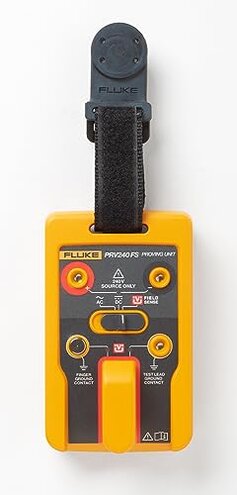
- Owners of the specific T6 tester who accept occasional repeat checks and want vendor-matched accessories.
- Low-frequency users who only need occasional proving and can tolerate extra setup steps.
- Buyers wanting vendor support who prefer official accessories and will accept a narrower compatibility range.
Expectation vs reality
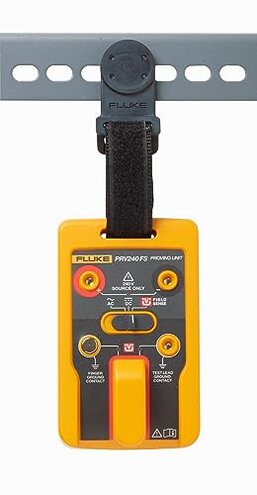
Expectation A proving unit should provide an immediate, reliable go/no-go signal for safety checks, which is reasonable for this category.
Reality The PRV240FS shows intermittent signaling, requires specific tester compatibility, and can need repeated attempts before it registers.
Safer alternatives
- Choose universal compatibility — prefer proving units that list broad tester compatibility to neutralize the hidden compatibility failure.
- Prioritize consistent signaling — look for tools with clear user reports of reliable first-check performance to reduce mid-job failures.
- Carry a backup method — keep a secondary proving method or simple voltage source to avoid job delays from intermittent failures.
The bottom line
Main regret The most common complaint is inconsistent proving and a hidden dependency on the matching T6 tester, which undermines quick safety checks.
Verdict Because proving units are a safety tool, this product's intermittent behavior and compatibility limits make it riskier than most mid-range options; avoid unless you already own the T6 tester and accept extra verification steps.
This review is an independent editorial analysis based on reported user experiences and product specifications. NegReview.com does not sell products.