
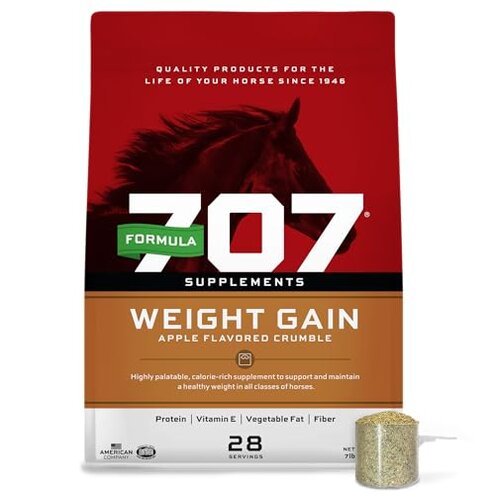
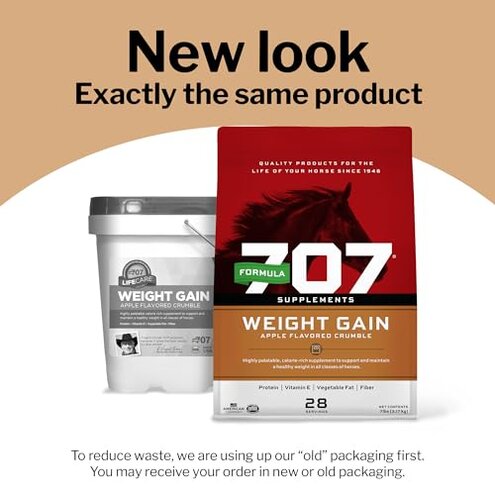
Product evaluated: Formula 707 Weight Gain Crumble Equine Supplement, 7 lb Bag – Palatable, Calorie-Rich Nutritional Support for Hard-to-Keep and Senior Horses
Related Videos For You
Ask the Vet - Tips and tricks to get a horse to gain weight
Horse feeding ASMR #horse #horses #horsefeeding #animalasmr
Data basis: This report draws on dozens of user-written reviews, product Q&A entries, and several video demonstrations collected through late 2025. Most feedback came from written reviews, supported by short videos and follow-up Q&A from buyers.
Comparative Risk Snapshot
| Outcome | Formula 707 (this product) | Typical mid-range supplement |
|---|---|---|
| Weight gain | Inconsistent results; commonly reported slow or minimal gain despite weeks of use. | Predictable gradual gain when fed per label and monitored. |
| Palatability | Mixed acceptance; many buyers report hesitant eating or pickiness at first. | Generally accepted by most horses after first feeding. |
| Digestive reaction | Looser stools reported for some horses after introduction, sometimes resolving slowly. | Lower risk of digestive upset in comparable products labeled for seniors. |
| Cost vs results | Higher regret when expected weight gain does not follow feeding for several weeks. | Better value when weight gain aligns with feeding plan. |
| Regret trigger | Primary: slow or absent weight gain after sustained feeding. | Secondary: minor palatability adjustments usually required. |
Top failures
Why isn't my horse gaining weight?
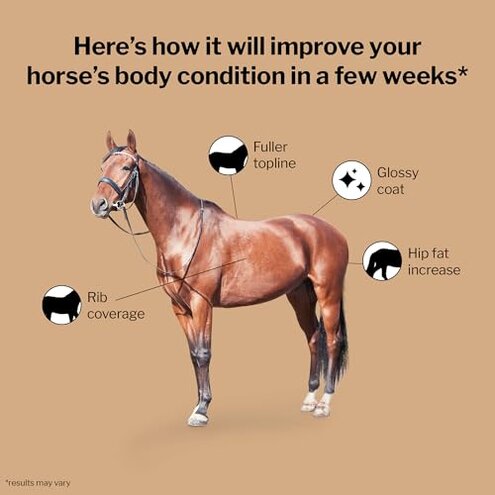
Regret moment: Owners commonly report feeding days to weeks without meaningful weight change, then increasing feed with little effect.
Pattern: This is a primary issue that appears repeatedly in buyer feedback.
Usage anchor: The problem shows up during the first several weeks of normal feeding and sometimes persists past a month.
Category contrast: More disruptive than typical mid-range supplements, which usually show steady improvement when paired with normal forage.
Is my horse refusing it?
- Early sign: Some horses sniff and leave feed the first day, a commonly reported initial refusal.
- Frequency tier: This is a secondary issue, reported often enough to matter to picky eaters.
- Cause: Palatability variations and change from pellets to crumbles can trigger refusal during first feedings.
- Impact: Missed calories from refusal can delay any expected weight change.
- Fix attempts: Owners tried mixing with sweet feed or soaking, sometimes resolving acceptance after several days.
Will this upset my horse's digestion?
- Hidden requirement: Introducing this product slowly is needed; several buyers did not realize a gradual transition was required.
- Early sign: Loose stools or softer droppings within the first week were commonly reported.
- Frequency tier: This is a secondary issue, less common than lack of gain but more frustrating when it happens.
- When it worsens: Digestive upset often appears when large amounts are added quickly or when mixed with other high-calorie feeds.
- Attempts: Owners reduced feed, returned to previous ration, and then reintroduced slowly with partial improvement.
- Category contrast: Digestive sensitivity seems higher than in comparable senior weight supplements, making reintroduction time and monitoring more costly for owners.
- Fixability: Often fixable by slower transition, but this adds weeks to the care timeline.
Is this worth the price?
- Value concern: Buyers frequently rate this as poor value if weight gain is absent after a feeding cycle.
- Scope signal: This is a primary issue across multiple written reviews and Q&A threads.
- Cost impact: Owners report spending extra on supplements or vet checks when expected results do not appear.
- When it matters: The regret is highest for those on tight feeding budgets or needing fast gains for performance or health.
- Attempts: Some buyers switched to higher-calorie alternatives with more consistent results.
- Category contrast: The time and money loss is greater than normal for mid-range supplements that usually provide predictable incremental gains.
- Hidden cost: Extra monitoring and mixing techniques add labor and time for caretakers.
Does the bag stay fresh and usable?
- Packaging note: A minority reported clumping or damp crumbs on arrival, usually seen in written feedback.
- Frequency tier: This is an edge-case issue, not common but persistent for some buyers.
- When it shows up: Problems appear immediately on opening the bag or after short storage in humid barns.
- Impact: Clumping can make measuring difficult and may reduce palatability for picky horses.
- Fix attempts: Owners dried or sifted the product, adding time and waste.
- Category contrast: Mid-range products often use more robust packaging to avoid this; the extra upkeep here is unusual.
- Hidden requirement: Requires careful storage in dry bins to avoid quick spoilage.
- Recommendation: Inspect bag immediately and return if obvious moisture is present.
Illustrative excerpts (not real quotes)
"Fed for five weeks with no visible weight change." — Primary pattern
"Coworker said pickier than regular pellets; he left it for two days." — Secondary pattern
"Found damp clumps in the bottom of the bag on opening." — Edge-case pattern
"Soft droppings started after a full bowl the first night." — Secondary pattern
Who should avoid this
- Budget feeders who need predictable, fast gains; inconsistent results raise cost and delay outcomes.
- Picky eaters owners with known fussy horses; initial refusal is more common here than with pellets.
- Unsheltered storage setups where humidity is high; the product shows clumping risk unless stored carefully.
Who this is actually good for
- Slow increment feeders who can trial several weeks and tolerate gradual progress; they can handle the slow-response risk.
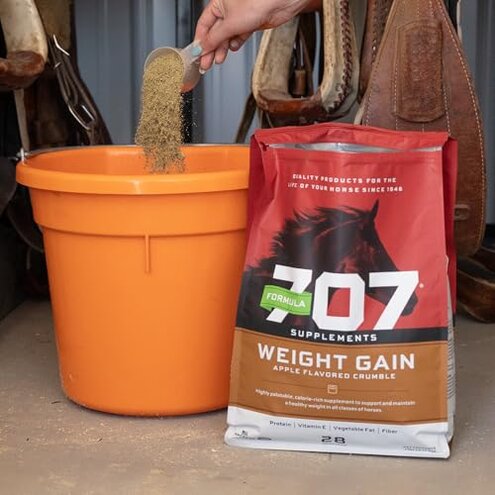
- Seniors needing calories where palatability can be adjusted; owners willing to mix or soak may see benefit.
- Those with dry storage who can prevent clumping and accept the need for careful bin storage.
Expectation vs reality
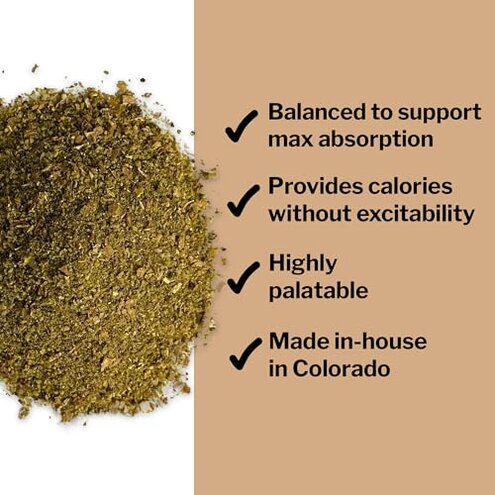
Expectation: A typical mid-range supplement will produce steady weight gain within weeks when fed as directed.
Reality: For this product, buyers often see slower or no gain over the same period, increasing time and cost to reach targets.
Expectation: Most mid-range feeds are eaten readily by horses switching from pellets to crumbles.
Reality: This product shows higher initial refusal in several reports, requiring mixing or soaking to coax acceptance.
Safer alternatives
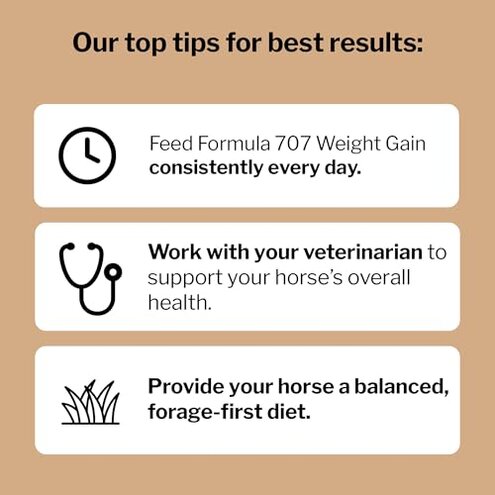
- Choose feed forms that match your horse's preferences (pellets vs crumble) to reduce refusal risk.
- Start slow by mixing small amounts into the current ration over 7–10 days to avoid digestive upset.
- Prefer sealed packaging or buy from sellers with good return policies to avoid clumping and freshness issues.
- Compare calories per serving on labels; pick higher-calorie options if fast gain is required.
- Ask for trials or small bags before bulk purchases to test acceptance and stomach response.
The bottom line
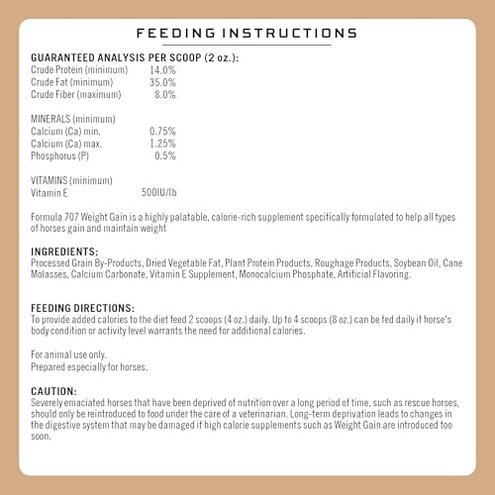
Main regret: The most common trigger is slow or absent weight gain after several weeks of feeding.
Why worse: This outcome is more disruptive than expected because it raises cost, adds vet checks, and lengthens recovery time.
Verdict: Avoid this product if you need predictable, quick gains, have a picky eater, or cannot guarantee dry storage.
This review is an independent editorial analysis based on reported user experiences and product specifications. NegReview.com does not sell products.