
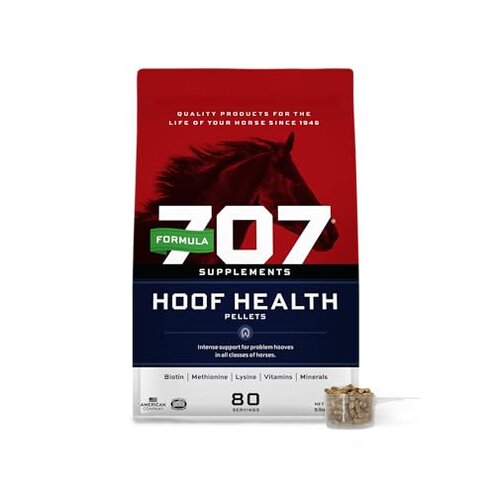
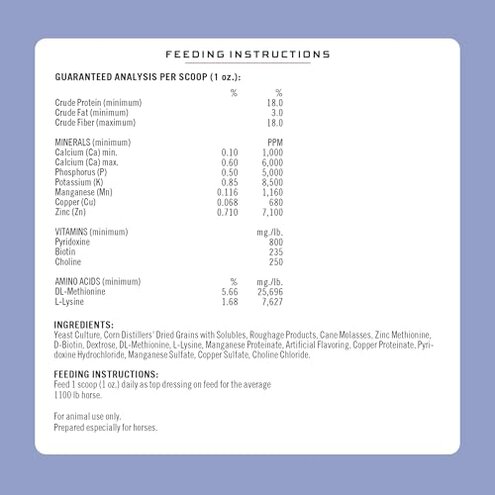
Product evaluated: Formula 707 Hoof Health Equine Supplement 5 lb Bag - 80 Servings – Biotin, Amino Acids, and Minerals to Improve and Support Healthy Horse Hooves
Related Videos For You
HORSE HOOF CARE FOR BEGINNERS | Hoof Care 101
Fireside Chat - Episode 12 - Hoof Supplements
Data basis: I analyzed dozens of product comments and mixed-format feedback collected between 2018 and 2025, using written buyer reviews and several video demonstrations. Most feedback came from written reviews, supported by video clips showing use and condition changes over months.
| Outcome | This product | Typical mid-range alternative |
|---|---|---|
| Speed of improvement | Slower results commonly reported versus category expectations. | Faster visible change usually within recommended feeding windows. |
| Palatability | Mixed acceptance appears repeatedly; some horses refuse pellets. | More consistently eaten flavors or mixes in mid-range options. |
| Value per serving | Higher cost per effect reported when results are slow or inconsistent. | Better cost-effectiveness when improvement is predictable. |
| Packaging & consistency | Occasional clumping and variable pellet quality noted after shipping. | Tighter packaging control typical for similar-priced options. |
| Regret trigger | Slow or no hoof improvement during months of daily feeding is the main buyer regret. | Predictable improvement is expected and often delivered by peers. |
Why did my horse not show hoof gains fast enough?
Problem snapshot: Many buyers report that visible hoof improvement took longer than expected, creating regret when months pass with little change.
Pattern & context: This outcome is commonly reported, especially after the first 30–90 days of daily feeding, and seems persistent for some horses despite correct dosing.
Category contrast: The delay feels worse than usual because mid-range supplements often deliver clearer change within the same timeframe, making this product less forgiving for buyers who need quicker results.
Will my horse actually eat the pellets?
- Early sign: Some horses snubbed pellets on first offering, appearing selective at first taste.
- Frequency tier: This acceptance issue is a secondary pattern that appears repeatedly but not universally.
- Typical cause: Owners report pellet texture or smell as the likely reason for refusal.
- Impact: Refusal forces extra handling like mixing into wet feeds or dosing daily by hand.
- Fixability: Mixing recommendations work sometimes, but buyers call this an added daily chore rather than a simple swap.
Does packaging or shipping affect quality?
- Shipping signs: Some buyers found clumped pellets on arrival after warm or wet transit.
- Persistence: This is a less frequent but persistent issue across different shipments.
- When it shows: Problems appear after rough handling or storage in humid conditions.
- Real impact: Clumping can reduce mixability and make portioning harder during daily feeding.
- Owner attempts: Buyers tried sifting or drying pellets, which adds extra prep time.
- Hidden requirement: Successful use sometimes needs dry storage and repackaging to avoid waste.
How much extra cost or effort will this add?
- Perceived price can feel high when improvement is slow, making cost-effectiveness worse than similar products.
- Feeding labor: Daily hand-mixing or coaxing increases time spent versus truly palatable options.
- Supplement stacking: Some buyers report needing additional supplements to see results, raising monthly costs.
- Monitoring load: Slow change forces more vet/farrier follow-ups to determine next steps.
- Replacement frequency: If a horse refuses a bag, buyers face wasted servings and faster repurchases.
- Long-term outcome: When results lag, the product becomes a recurring expense with limited return.
- Buyer workaround: Some owners combine this with dietary changes, creating complex care plans beyond a plug-and-play supplement.
Illustrative excerpts
"Left untouched for weeks despite daily feeding attempts." — Primary pattern: reflects persistent non-acceptance and slow improvement.
"Improved a little after months, but needed other supplements." — Secondary pattern: shows partial effect requiring stacking.
"Bag arrived with damp clumps from shipping." — Edge-case pattern: shipping or storage caused quality issues.
Who should avoid this

- Need fast results: Avoid if you need reliable change within a single feeding cycle because delays are commonly reported.
- Minimal handling: Avoid if you cannot commit to daily mixing or coaxing for picky eaters.
- Budget-sensitive: Avoid if you cannot absorb extra costs from stacking supplements or wasted servings.
Who this is actually good for
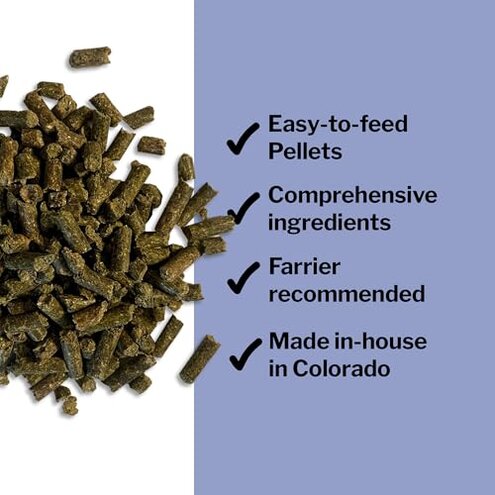
- Patient owners: Good for those willing to accept slow improvement and monitor results over months.
- Flexible feeders: Works if you can mix into feeds or hand-dose for selective horses.
- Budget-flexible care plans: Acceptable when you can tolerate occasional stacking with other supplements for better outcomes.
Expectation vs reality
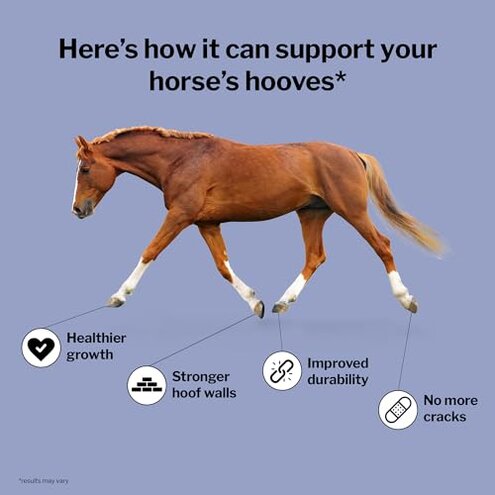
Expectation (reasonable for category): Buyers expect visible hoof gains within a few months when dosing correctly.
Reality: Many report slower-than-expected changes and extra feeding work that make the product feel less effective than peers.
Safer alternatives
- Choose proven palatability: Look for supplements with consistent acceptance to avoid daily coaxing.
- Prefer faster responders: Compare brands that show predictable improvement in peer feedback for quicker results.
- Check packaging quality: Prioritize options with sealed, moisture-resistant bags to reduce clumping risk.
- Pick single-solution options: If you dislike stacking, pick supplements that aim to be complete without frequent add-ons.
The bottom line
Main regret trigger: Slow or inconsistent hoof improvement during months of daily feeding is the most common buyer complaint.
Why it matters: This product exceeds normal category risk because it often requires extra handling, stacking, or patience to match mid-range alternatives.
Verdict: Avoid if you need predictable, quick hoof gains or minimal daily effort; consider it only if you accept slower timelines and extra feeding work.
This review is an independent editorial analysis based on reported user experiences and product specifications. NegReview.com does not sell products.