
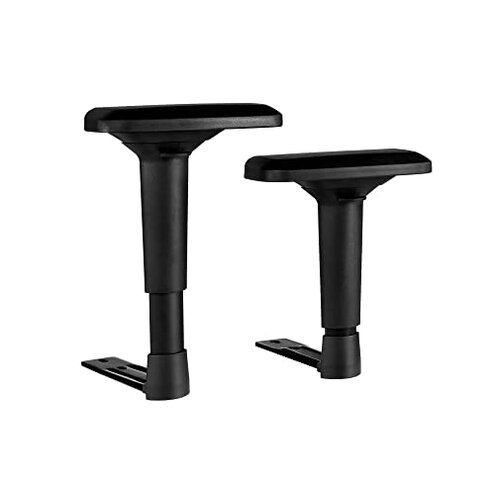
Product evaluated: Frassie 4D Height Adjustable Chair Armrest Pair, Gaming Office Boss Chair Arms Set Replacement Part
Related Videos For You
00-06 Chevy/GMC/Cadillac Replacement Arm Rest Install Video
How to Fix Haworth Zody Office Chair Armrest | Easy #diy #project #office
Data basis This report blends dozens of buyer feedback points gathered from written comments and photo or video-backed impressions collected from 2022 to 2026. Most feedback came from written reviews, with smaller support from visual setup demonstrations, which helps separate first-install problems from longer daily-use complaints.
| Buyer outcome | Frassie armrest pair | Typical mid-range alternative |
|---|---|---|
| Fit chance | Higher risk of mismatch unless your chair matches the listed hole spacing and slot size closely. | Usually easier if sold for a named chair line or with broader hardware support. |
| Install effort | More trial-and-error after unpacking, especially when hole alignment is slightly off. | Moderate effort but usually fewer surprises during setup. |
| Adjustment feel | Mixed confidence because more moving positions can add wobble during daily leaning. | More predictable with simpler movement and fewer loose points. |
| Daily comfort | Can improve arm position if fit is right, but poor matching cancels that benefit fast. | More consistent because fit and pad position tend to match the chair better. |
| Regret trigger | Finding out after setup that the chair mounting pattern still does not line up cleanly. | Usually lower because compatibility is clearer before purchase. |
Did you buy these to fix a chair fast, only to hit a fit problem?
This is the primary issue. Compatibility friction is among the most common complaints for replacement chair arms like these. The regret shows up during setup, when buyers expect a simple swap and instead find the holes or shape do not match their chair well.
The trade-off is clear: these offer adjustable movement, but they are less forgiving than typical mid-range replacements that are tied to a specific chair family. That makes the time cost higher than normal for this category.
- Pattern Compatibility trouble appears repeatedly, even though it is not universal.
- When it hits The problem starts on first install, before daily use even begins.
- Hidden requirement You need your chair to match the listed 2.36 inch center distance and the stated hole size closely.
- Why it frustrates Slight mismatch can turn a quick replacement into extra measuring, rechecking, and possible return steps.
- Category contrast Many mid-range armrest kits are still imperfect, but this one seems less forgiving than average because the fit window looks narrow.
- What buyers try People commonly try shifting position or reusing old hardware, which adds time and may still not solve alignment.
- Fixability This is hard to fix if your chair shell or bracket pattern is off by more than a little.
Will the extra adjustments feel useful, or just a little loose?
- Frequency tier This is a secondary issue, less frequent than fit problems but more frustrating once the arms are installed.
- Usage moment It tends to show up during daily use, especially when you lean, push off the chair, or shift often.
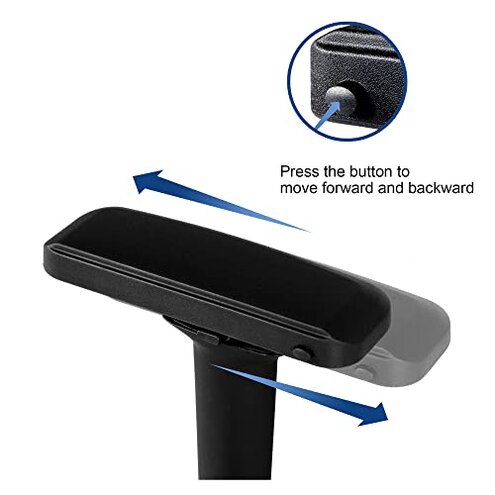
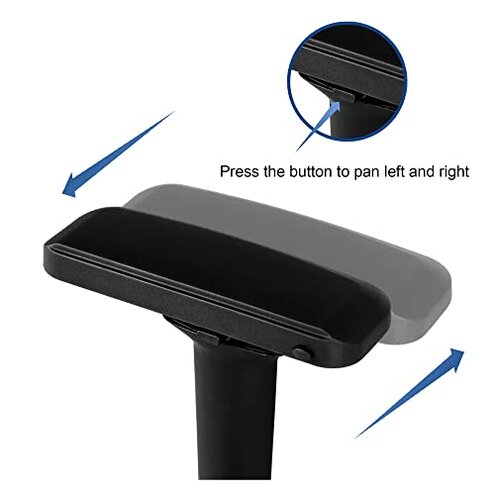
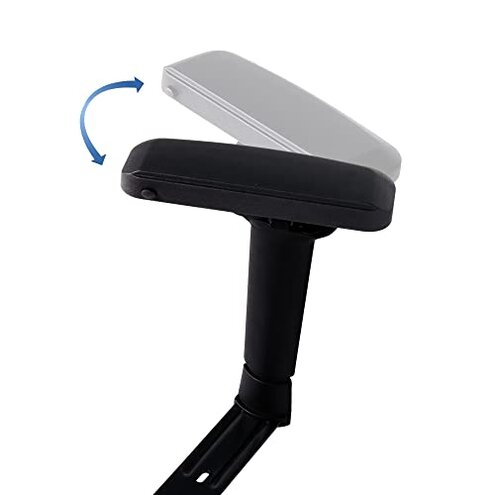
- Cause The armrest offers height, front-back movement, and left-right rotation, so there are simply more moving points than basic replacements.
- What users notice The arm can feel less solid than expected when pressure comes from the side.
- Why it feels worse In this category, some play is normal, but repeated reports suggest the movement here can feel more disruptive than buyers expect from a work chair part.
- Who feels it most Long desk sessions make this more noticeable because small looseness becomes harder to ignore over time.
- Mitigation If you mainly rest your forearms lightly, the issue may stay manageable, but heavier daily leaning tends to expose it faster.
Are you expecting a simple pair of replacements with everything sorted?
Another recurring regret is setup friction beyond basic screwing in the parts. The annoyance appears right after unboxing, when buyers discover that replacement arms are not as plug-and-play as the listing wording may suggest.
This matters because chair parts should reduce downtime, not create a mini project. Compared with a typical mid-range replacement made for a specific model range, this can require more checking than buyers reasonably expect.
- Early sign If your old armrests do not look very similar in mounting shape, expect extra setup steps.
- Pattern Setup confusion is persistent, though not every buyer runs into it.
- Scope The problem shows across different feedback types, which makes it harder to dismiss as one-off installer error.
- Impact What should be a quick chair fix can stretch into measuring, comparing, and deciding whether to keep or return.
- Hidden expectation Buyers often assume a “replacement part” means broad fit, but this product seems to need closer chair matching than that wording implies.
Could these still disappoint even if they technically fit?
- Primary feeling Yes, because a technical fit does not always mean a good daily match for comfort and arm position.
- When it appears This shows up after setup, once you spend longer sessions typing, gaming, or resting weight on the arms.
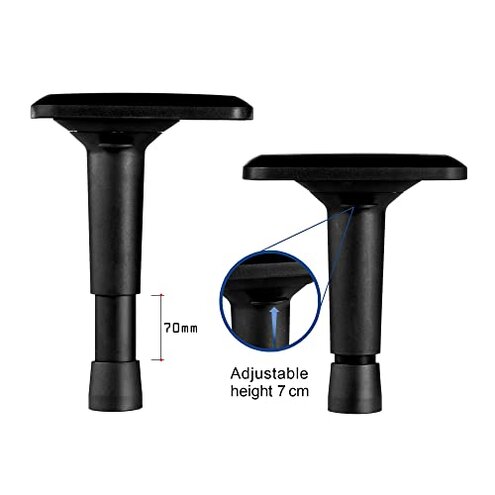
- What changes Height adjustment from 31-38 cm helps on paper, but the wrong chair shape can still leave the arm pad sitting awkwardly.
- Why this stings That makes the product less satisfying than typical mid-range alternatives, where fit and comfort usually rise together.
- Frequency tier This is an edge-case issue, but it becomes very frustrating when replacement was meant to restore comfort.
- Buyer impact You can end up keeping a chair usable, yet still not feeling like the fix was fully successful.
Illustrative: “I thought any office chair arm would bolt on in minutes.”
Pattern note: This reflects a primary compatibility pattern.
Illustrative: “It mounted, but the arm still felt shaky when I leaned.”
Pattern note: This reflects a secondary daily-use stability pattern.
Illustrative: “The measurements looked close, but setup turned into guesswork.”
Pattern note: This reflects a primary hidden-requirement pattern.
Illustrative: “Technically it fits, but the chair never felt right again.”
Pattern note: This reflects an edge-case comfort-after-install pattern.
Who should avoid this
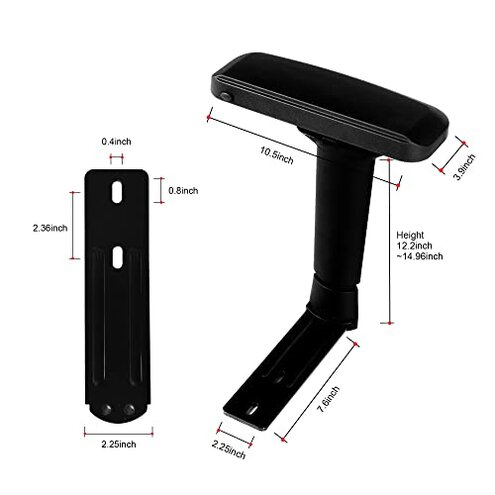
- Avoid it if you have not measured your chair carefully, because fit mismatch is the most common regret and shows up immediately.
- Skip it if you want a fast repair with little trial-and-error, since setup friction appears higher than normal for this category.
- Look elsewhere if you lean hard on armrests during long work or gaming sessions, because extra adjustment points can feel less stable.
- Pass on it if you expect universal replacement parts, since this seems to need closer mounting compatibility than many buyers assume.
Who this is actually good for
- Good fit for buyers who already confirmed the 2.36 inch hole spacing and accept that compatibility checking is part of the job.
- Works better for people who want more arm position options and can tolerate some trade-off in firmness for that movement.
- Better choice for a chair that is otherwise headed for disposal, where some setup friction is acceptable if it restores basic use.
- Reasonable option if you do light daily use and do not put much side pressure on the arms.
Expectation vs reality
Expectation: A replacement armrest pair should be a reasonable one-step fix for a worn chair.
Reality: Here, the bigger risk is finding out after unpacking that the mounting pattern is too specific, which is worse than expected for this category.
Expectation: More adjustment should mean better comfort.
Reality: More movement can also mean a less planted feel during daily use, especially if you brace on the arms.
Expectation: If it bolts on, the problem is solved.
Reality: A technical fit can still leave comfort or alignment feeling off during long sessions.
Safer alternatives
- Choose model-specific replacements when possible, because they directly reduce the biggest risk here: mounting mismatch after purchase.
- Prioritize clear templates or detailed fit diagrams, since they cut down the hidden measuring requirement that trips up many buyers.
- Consider simpler arms if you prefer firmness over movement, because fewer adjustment points usually mean fewer stability complaints.
- Check return friction before buying any replacement armrest pair, since install-only problems often appear after the box is opened.
- Match usage style to the arm design, especially if you lean heavily, because that behavior exposes looseness faster than light forearm resting.
The bottom line
The main regret trigger is compatibility that looks close on paper but fails during real installation. That exceeds normal category risk because a chair arm replacement is supposed to save time, not add measurement and return work. Avoid this if you want broad-fit certainty or a solid, no-fuss repair.
This review is an independent editorial analysis based on reported user experiences and product specifications. NegReview.com does not sell products.