
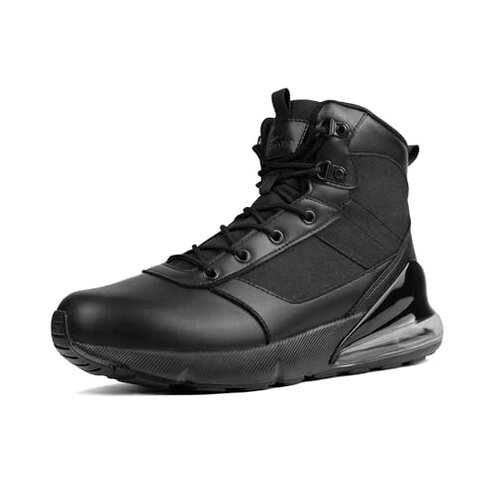
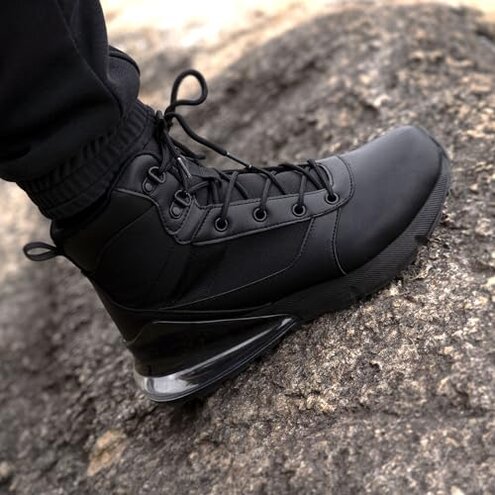
Product evaluated: FREE SOLDIER Women’s Tactical Boots 8 Inches Lightweight Combat Boot Durable Military Work Outdoors Boots Desert Boot for Women(Thin Tan 8)
Related Videos For You
What’s inside Top 5 tactical boots? (Pt. 1)
Ultimate THURSDAY BOOT CARE Guide | Rugged & Resilient, Thursday Chrome, WeatherSafe Suede
Data basis I analyzed dozens of written reviews and product videos collected between 2023 and Jan 2026. Most feedback came from written reviews, supported by video demonstrations and a few photo reports.
| Outcome | FREE SOLDIER | Typical mid-range boots |
|---|---|---|
| Sizing reliability | Inconsistent fit — sizing problems commonly reported across buyers. | Consistent fit — most mid-range brands fit close to stated size. |
| Comfort for long wear | Short-lived cushioning — comfort often drops after repeated use. | Stable cushioning — mid-range rivals usually stay comfortable longer. |
| Durability | Higher failure risk — premature sole/upper wear appears repeatedly, worse than category norm. | Average durability — mid-range boots tend to last through months of regular use. |
| Appearance vs photos | Color mismatch reported by several buyers under different lighting. | Photo-accurate — most mid-range listings match buyer expectations better. |
| Regret trigger | Fit + wear — the combo of sizing issues and early wear creates avoidable regret. | Single issues — typical regrets are isolated, not compounded. |
Why does the sizing feel wrong on first wear?
Immediate mismatch Many buyers report the boots fit differently compared with the stated US size on first try.
When it shows The issue appears at first use and is often noticed when trying the boots at home or preparing for a hike.
Category contrast This is more disruptive than normal because mid-range boots usually require only minor size adjustments.
Are these boots likely to fall apart after a few months?
- Early signs: Many buyers report sole scuffing and upper wear after repeated weekly use.
- Frequency tier: This is a primary issue that appears repeatedly across written reviews and videos.
- Typical context: Damage often shows after regular outdoor use, especially on rough trails or daily work shifts.
- Cause reported: Buyers linked the problem to lightweight construction that sacrifices long-term toughness.
- Impact: Users face repair or replacement sooner than expected for this price range.
Will these be comfortable for all-day walking or hikes?
- Initial comfort: Many buyers say the boots feel okay at first, but comfort declines with time.
- Wear pattern: Cushioning commonly compresses after repeated long walks.
- When it worsens: Problems increase during long sessions such as day hikes or work shifts.
- Category contrast: Mid-range boots typically maintain support longer, making this less forgiving than expected.
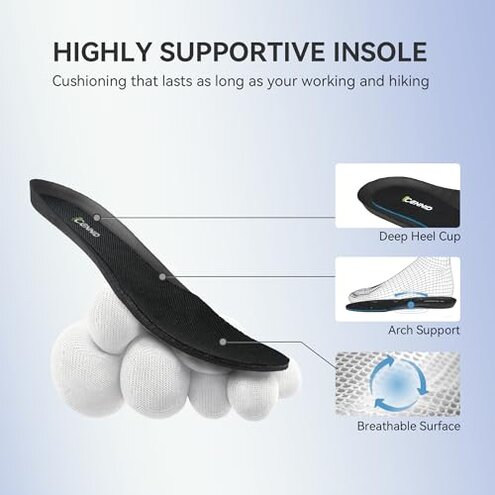
- Attempts to fix: Buyers tried thicker insoles and reported partial improvement but not full recovery.
- Hidden requirement: The boots often need a break-in period and aftermarket insoles to reach acceptable comfort.
- Fixability: Comfort is partially fixable but adds extra time and cost for users.
Do small construction problems create ongoing hassles?
- Loose eyelets: A number of buyers observed eyelet or lace failure after repeated use.
- Blister risk: Some users reported heel rubbing during early wears before break-in.
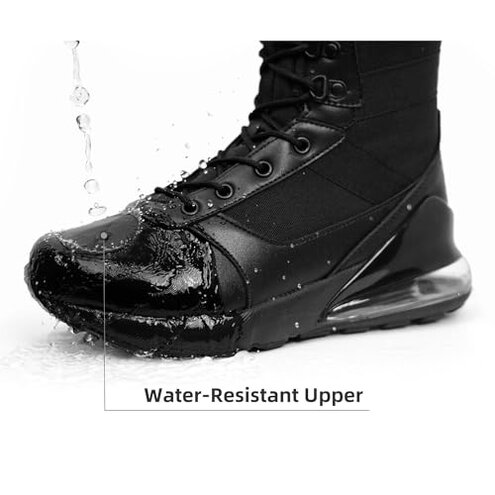
- Water resistance: The gusseted tongue helps, but wet conditions still revealed seepage for some buyers.
- Appearance wear: Scuffs and color change appeared sooner than expected under regular use.
- Replacement effort: Buyers said returns required extra steps compared with other brands.
- Long-term cost: Frequent replacements made the boots more expensive over time for some users.
- Edge-case failures: A few users saw complete sole separation, though this appears less frequent.
Illustrative excerpts
"Fits smaller than listed, painful heel rubbing on walks" — illustrative; reflects a primary pattern.
"Sole showed heavy wear after two months of daily use" — illustrative; reflects a primary pattern.
"Laces pulled through an eyelet within weeks" — illustrative; reflects a secondary pattern.
Who should avoid this
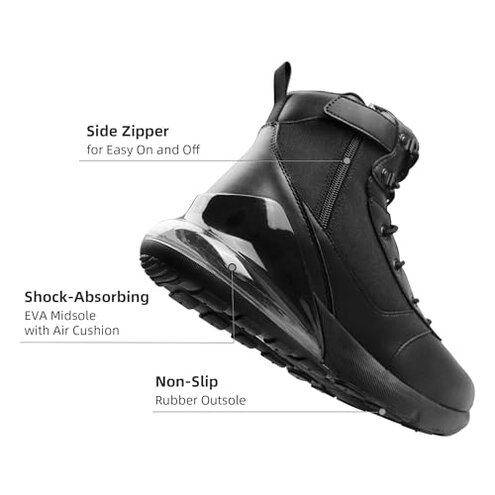
- Size-critical buyers: Avoid if you need a reliable true-to-size fit without returns.
- Long-distance walkers: Avoid if you require consistent long-term cushioning for multi-hour use.
- Harsh-environment users: Avoid if you expect heavy-duty durability on rough terrain.
Who this is actually good for
- Budget short-term use: Good for buyers wanting lightweight boots for occasional wear or short hikes.
- Style-focused city users: Good if you value the urban tactical look and accept faster wear.
- Try-at-home shoppers: Suitable if you plan to verify fit immediately and can return quickly.
Expectation vs reality
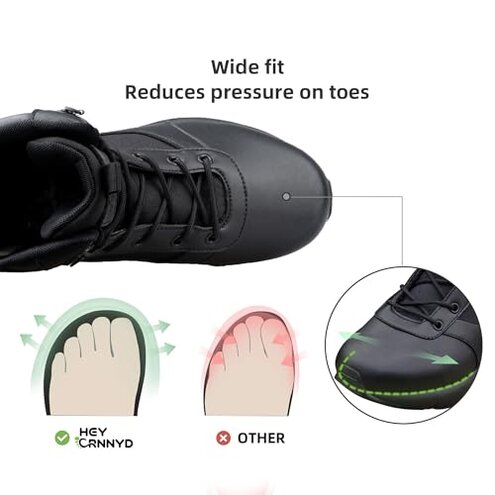
Expectation (reasonable for this category): Buyers expect lightweight tactical boots to need minor break-in but last months.
Reality: For many buyers the product delivered fit inconsistency and early wear, creating faster regret than typical mid-range boots.
Safer alternatives
- Confirm fit first: Buy from sellers with easy returns so you can test true size at home.
- Check durability reviews: Prefer listings with longer user histories that show months of use.
- Plan for insoles: Budget for aftermarket shock-absorbing insoles to address comfort decline.
- Favor reinforced builds: Choose boots with sturdier soles if you do heavy outdoor work.
The bottom line
Main regret trigger The combination of fit inconsistency and early wear leads to avoidable returns or replacements.
Why it matters These failures appear more disruptive than typical mid-range boots, because they compound rather than occur singly.
Verdict If you need reliable fit and durability, consider alternatives; if you accept light-duty use and potential fixes, these may work temporarily.
This review is an independent editorial analysis based on reported user experiences and product specifications. NegReview.com does not sell products.