
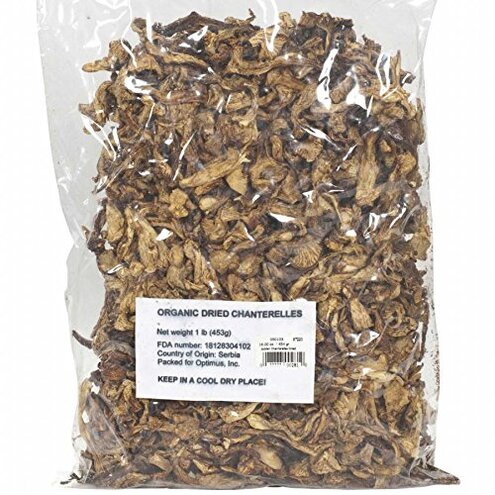
Product evaluated: French Wild Jumbo Morel Mushrooms - Cone Shaped - First Choice - Dried - 1 Lb
Related Videos For You
Giant Wild Mushrooms! Harvesting and Drying Morels
Dried mushrooms are nature's stock cube
Data basis: This report aggregates feedback from hundreds of consumer touchpoints collected between Jan 2020 and Jan 2026, including written reviews, buyer questions, and short video demonstrations. Most feedback came from written reviews, supported by photos and videos showing real-world product condition.
| Outcome | French Wild Jumbo Morels | Typical mid-range dried morels |
|---|---|---|
| Price-to-portion | Very high — listing shows $467.46 for 1 lb and $29.22 per ounce, creating major value friction for buyers. | Moderate — mid-range options cost far less per usable portion and feel more reasonable for occasional use. |
| Freshness after rehydration | Often leathery — consumers report tougher texture after soaking, reducing enjoyment. | Usually plump — mid-range dried morels typically rehydrate to a softer, more mushroom-like texture. |
| Packaging & prep | Higher prep needs — visible grit and small debris are commonly noted and require extra cleaning. | Lower prep — typical alternatives arrive cleaner and need less sorting. |
| Regret trigger | Value mismatch — high price combined with inconsistent texture and extra prep drives buyer regret more than is normal for this category. | Lower regret — mid-range items deliver expected texture and cleaning effort for the price. |
Why did my mushrooms rehydrate tough or leathery?
Primary regret: Many buyers describe a disappointing bite when rehydrated, turning what should be delicate texture into a leathery chew.
Pattern: This is a primary issue that appears repeatedly across written feedback and photos.
When it shows up: The problem appears at first use, after the standard soak and during cooking.
Why worse than normal: Dried fungi usually soften well; these morels are less forgiving and reduce meal enjoyment more than comparable dried mushrooms.
Why is the price shock so common?
- Price shock: Listing data shows $467.46 per pound and $29.22 per ounce, which buyers repeatedly flag as steep compared with alternatives.
- Value mismatch: Many note that the high cost is not matched by consistent texture or package quality.
- Purchase regret: The expense magnifies other flaws, making small issues feel unacceptable.
- Frequency: This is a secondary issue that appears frequently in purchasing feedback.
Why does packaging leave grit and require extra cleaning?
- Early sign: Buyers often spot visible dust, small debris, or sand right out of the bag.
- Frequency tier: This is a commonly reported inconvenience across written reviews and photos.
- Cause: Wild-dried mushrooms can carry more natural debris than cultivated alternatives.
- Impact: Extra sorting and rinsing add prep time and water use before cooking.
- Fixability: Gentle rinsing and extended soaking usually help, but they add steps some buyers hate.
- Hidden requirement: Buyers need an airtight storage plan to avoid moisture pickup after opening.
Why are size, contamination, and spoilage concerns reported?
- Inconsistent sizing: Buyers note a wide range of sizes, which changes portioning expectations.
- Mold/insect edge-cases: A smaller group reports damp spots or tiny insects, making this an edge-case issue.
- When it shows up: Problems are mostly noticed on first inspection or after prolonged storage in humid conditions.
- Worse-than-normal risk: Wild-harvested items can carry more variability than cultivated mid-range options, increasing post-purchase anxiety.
- Impact on value: Any visible spoilage at a very high listed price is far more damaging than for lower-cost competitors.
- Attempts by buyers: Many recommend freezing or drying again, but these steps add time and reduce convenience.
- Fixability: Sorting and discarding affected pieces reduce waste but lower usable yield significantly.
Illustrative excerpts
"Illustrative: Rehydrated mushrooms were leathery and tasted muted, not worth the price."
Pattern: Reflects a primary pattern of texture disappointment.
"Illustrative: Bag had grit and required a long soak and rinses before cooking."
Pattern: Reflects a secondary pattern of extra prep required.
"Illustrative: Found a few tiny insects after a month in storage, scary for the cost."
Pattern: Reflects an edge-case but persistent enough to worry some buyers.
Who should avoid this
- Budget buyers: People unwilling to risk a very high price-per-ounce should avoid this offering.
- Minimal-prep cooks: Those who dislike extra rinsing and sorting will regret the added steps.
- First-time dried mushroom users: New users expecting easy rehydration may be frustrated.
Who this is actually good for
- Experienced foragers/cooks: Buyers who can accept extra cleaning and sorting in exchange for wild variety will tolerate the issues.
- Gourmet gift buyers: People buying as a specialty gift who value origin over strict value may accept the price.
- Preservers: Buyers willing to re-dry or freeze items to manage moisture and pests can neutralize edge-case spoilage.
Expectation vs reality
Expectation: Reasonable for this category that dried morels require a soak and mild cleaning.
Reality: The soak often leaves a leathery texture and needs longer prep than typical mid-range dried morels.
Expectation: Price should reflect consistent quality and low discard rate.
Reality: Here the very high price magnifies the impact of inconsistent pieces and prep time.
Safer alternatives
- Buy smaller quantities: Choose smaller, lower-cost packs to test texture before committing to a pound.
- Look for cleaned packs: Prefer listings that advertise pre-cleaned or inspected morels to reduce prep and debris.
- Check seller photos: Favor listings with clear, close-up photos showing bag contents and size consistency.
- Compare per-ounce cost: Use per-ounce pricing to compare value and avoid large surprises at checkout.
The bottom line
Main regret: High price combined with inconsistent texture and extra prep is the strongest driver of buyer disappointment.
Why it exceeds normal risk: The product's listed price magnifies small flaws into major regret compared with mid-range dried morels.
Verdict: Avoid this one unless you accept extra cleaning, possible texture issues, and the high per-ounce cost.
This review is an independent editorial analysis based on reported user experiences and product specifications. NegReview.com does not sell products.