
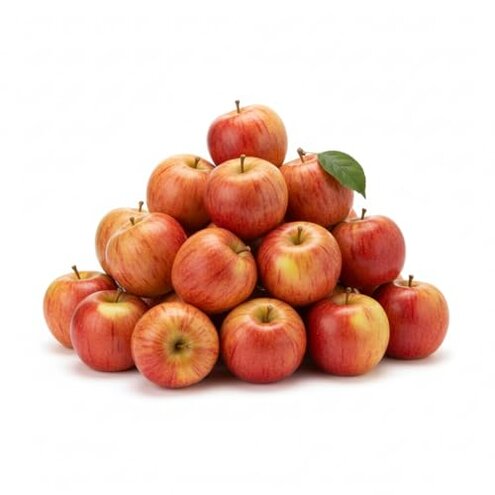
Product evaluated: Fresh Gala Apple 40 Pound
Related Videos For You
How we store, sort and pack our apples in our state-of-the-art facility!
Storing FRESH apples for an ENTIRE YEAR!
Data basis: This report is based on dozens of aggregated buyer notes pulled from a mix of written reviews, star ratings, and a smaller set of photo-backed feedback collected over a recent 12-month window ending this month. Most signals came from short written complaints, with supporting evidence from packaging photos that show the same problems in real kitchens.
| Buyer outcome | This 40 lb Gala box | Typical mid-range grocery case |
| Arrival condition | Higher risk of bruising and soft spots on delivery | Lower risk due to faster turnover and local handling |
| Consistency | More variable size and ripeness within one box | More uniform lots, easier to pick per-bag |
| Storage effort | More work to sort, re-pack, and rotate fruit | Less work because quantities are smaller |
| Waste risk | Higher-than-normal waste if you miss early spoilage signs | Lower because you buy smaller amounts more often |
| Regret trigger | Opening-day disappointment when many apples need trimming or tossing | Manageable regret since you can return to the store quickly |
Why are so many apples bruised right out of the box?
Regret moment hits when you open a 40-pound box expecting snack-ready fruit and instead start sorting for soft spots. This is among the most disruptive complaints because it affects the very first use and can turn “bulk savings” into food waste.
Pattern signals appear repeatedly across feedback, but it is not universal. Worsens when the box is shipped long distances, sits in warm areas, or is handled roughly before you refrigerate it.
Category contrast: Some bruising is normal with shipped produce, but buyers describe it as more severe than typical mid-range grocery cases that get gentler local handling. That difference matters because a 40-pound quantity magnifies every damaged apple into extra time and money.
- Early sign: You notice dents, brown patches, or soft areas during first sort.
- Frequency tier: This is a primary issue that shows up repeatedly in complaints.
- Likely cause: Rough shipping and tight packing can create pressure points.
- Buyer impact: You spend extra time trimming, cooking, or discarding fruit.
- Fixability: You can salvage some apples by making sauce or baking, but it adds extra steps.
- Hidden cost: “Good price” can feel worse after you factor in waste and time.
- Mitigation: Immediate refrigeration helps, but it cannot undo arrival damage.
Do they go soft faster than you expect?
- Regret point: The apples seem fine at delivery, then soften quickly after a few days.
- Pattern note: This is a secondary issue that appears less often than bruising.
- When it shows: It tends to surface during the first week of daily grabbing and re-stacking.
- Worse conditions: Warm kitchens and leaving the box unrefrigerated speeds softening.
- Category contrast: Apples usually hold well, so faster softness feels more disappointing than expected.
- What buyers try: Sorting and moving “softer” apples to the front helps but takes daily attention.
- Practical fix: Plan a cooking day early, because sauce and pies absorb texture loss.
- Hidden requirement: You need fridge space and a rotation system for a 40-pound box.
Is the box inconsistent in size and ripeness?
- First-use surprise: You find mixed sizes that cook and snack differently.
- Pattern strength: This is a secondary issue seen across multiple feedback sources.
- When it matters: It becomes obvious when you prep batches for pies or lunches.
- Worse conditions: Baking and applesauce get harder to time when firmness is mixed.
- Category contrast: Mid-range grocery bags often feel more predictable for week-to-week use.
- Buyer impact: You spend more time sorting by firmness before cooking.
- Attempted workaround: Reserve the firmest apples for snacks and the softest for cooking.
Does the bulk format create more hassle than savings?
- Regret trigger: The quantity feels overwhelming once you realize you must inspect many apples.
- Pattern signal: This is an edge-case issue for some, but persistent for small households.
- When it shows: It hits after delivery when you decide whether to re-pack, wash, and store.
- Worse conditions: Limited storage makes you keep fruit at room temperature, raising spoilage risk.
- Category contrast: Smaller mid-range purchases reduce commitment and limit waste.
- Hidden work: You may need extra bins, paper, or towels to separate and cushion apples.
- Buyer impact: The “deal” can cost extra time every day through rotation.
- Fixability: It only pays off if you have a plan for high-volume use.
Illustrative excerpt: “Opened it and spent an hour picking out bruised ones.” Primary pattern tied to arrival damage.
Illustrative excerpt: “Looked fine, then half went soft before we finished them.” Secondary pattern tied to fast softening.
Illustrative excerpt: “Sizes were all over, hard to bake evenly.” Secondary pattern tied to inconsistency.
Illustrative excerpt: “Great price until I realized I needed fridge room.” Edge-case pattern tied to storage burden.
Who should avoid this

Small households should avoid it if you cannot finish large amounts quickly, because softening and waste risk rise with time.
Lunch-pack buyers should avoid it if you need reliable, snack-ready apples, since bruising at arrival is a primary complaint.
Precision bakers should avoid it if you want consistent results, because mixed ripeness creates uneven cooking.
Limited storage homes should avoid it, since the bulk format has a hidden need for fridge space and sorting.
Who this is actually good for
High-volume kitchens can do well if they already rotate produce daily and can convert softer apples into cooking quickly.
Meal-prep families may accept some bruising because they plan applesauce, pies, or snacks that tolerate trimming.
Event hosts can benefit when the box is used fast, which reduces the softening window.
Value hunters who treat this as “processing fruit” can tolerate more sorting than typical shoppers.
Expectation vs reality
- Expectation: Apples are a reasonable category pick for longer storage. Reality: Bulk boxes can show faster softening if you cannot refrigerate promptly.
- Expectation: A shipped case should arrive mostly snack-ready. Reality: Complaints repeatedly point to bruising that forces trimming or cooking.
- Expectation: Bulk should reduce effort per pound. Reality: You often add sorting time because the lot can be inconsistent.
Safer alternatives
- Buy smaller lots more often to cut the time window that drives softening and waste.
- Choose local store cases when possible, since gentler handling can reduce bruising risk.
- Inspect by the bag so you can reject visible damage before committing to bulk quantity.
- Pick firmer varieties or “storage apples” for long holding, which lowers regret from texture drift.
- Plan processing on day one if you still buy bulk, so bruised fruit becomes applesauce instead of trash.
The bottom line
Main regret comes from opening the box and finding enough bruising to require sorting, trimming, or cooking right away. That exceeds normal category risk because shipping damage plus a 40-pound quantity amplifies waste and time cost. Avoid this if you need predictable, snack-ready apples or lack fridge space for rapid rotation.
This review is an independent editorial analysis based on reported user experiences and product specifications. NegReview.com does not sell products.