
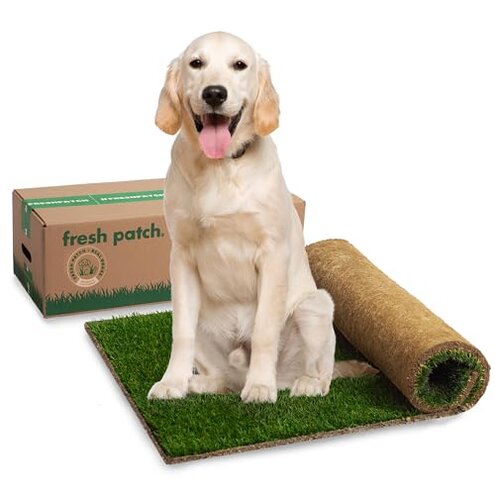
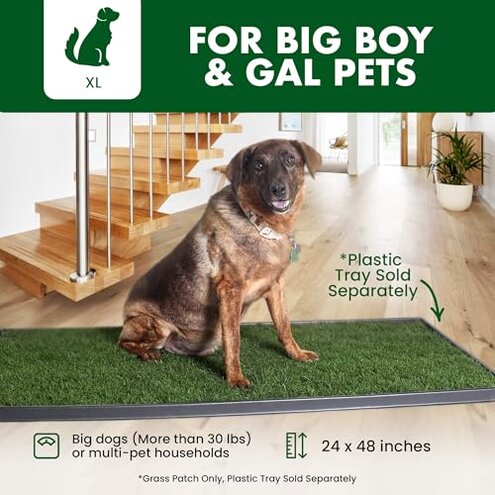
Product evaluated: Fresh Patch Real Grass Patch for Dogs, Cats, and Extra Large Pets 30 Pounds and Above – Disposable Pet Grass Pee Pads – Indoor and Outdoor Potty Training Mat (24 Inches x 48 Inches)
Related Videos For You
The Porch Potty™ — The Original Grass Litterbox For Dogs
Data basis for this report came from analyzing dozens of aggregated buyer notes collected across a multi-month window ending in the past year. Most feedback came from written reviews, supported by photo and video style posts showing real-world use. The mix leaned toward everyday apartment use stories, with a smaller share focused on training outcomes and delivery condition.
| Buyer outcome | Fresh Patch XL | Typical mid-range alternative |
| Odor control | Higher risk of smell during daily use as moisture builds. | More predictable if it uses washable tray systems and swap-in pads. |
| Mess risk | Higher-than-normal chance of leaks or soggy edges on floors. | Lower if it has a rigid base and sealed drainage design. |
| Upkeep time | More frequent replacement management than many expect. | More stable routine if it’s rinseable and not tied to grass freshness. |
| Pet acceptance | Mixed results, with some pets refusing or playing with it. | More consistent if the surface and size stay the same week to week. |
| Regret trigger | Paying again because it smells or breaks down faster than planned. | Less acute because durability spreads cost over time. |
Why does it start smelling sooner than you planned?
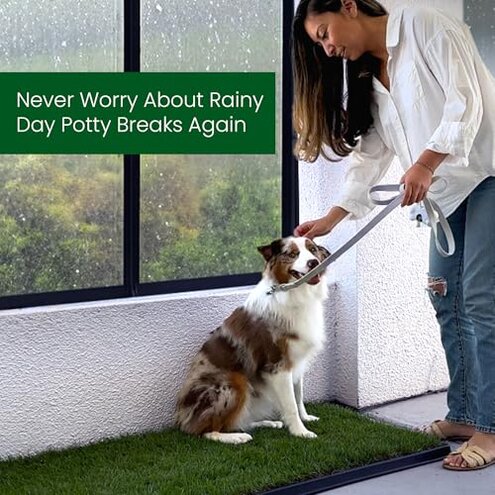
Regret moment tends to hit after the first few days when the patch goes from “fresh” to “stale,” and you realize the odor is now part of the room.
Pattern note shows up repeatedly in feedback, especially from daily indoor users, even though it is not universal for every home.
When it hits is usually during normal routines, like leaving it out all day, or when multiple potty trips happen before you can swap it.
Category contrast is that real-grass pads are expected to smell eventually, but buyers describe this as more disruptive than typical mid-range washable tray setups.
- Early sign is a damp, sour smell near the patch even after a recent use.
- Primary issue is odor buildup that worsens during daily indoor use.
- Worse conditions include warm rooms, high humidity, and frequent use without fast replacement.
- Impact is that the potty solution becomes a room air problem, not just a training tool.
- Common attempt is adding odor sprays or moving it to a balcony, which adds extra steps.
- Fixability is limited because the main lever is replacing it sooner than you wanted.
- Hidden requirement is having a realistic replacement plan and a disposal routine ready from day one.
Do you end up with wet floors or a soggy border?
- Regret trigger is noticing moisture under or around it after a normal potty trip.
- Recurring pattern appears repeatedly, especially when the patch is nearing the end of its usable life.
- When it shows is after setup during the first week, then worsens over time as it stays wet.
- Worse conditions include heavy urination, repeat visits, and placing it on absorbent flooring.
- Root cause is that a disposable grass surface can get saturated and stop feeling “contained.”
- Buyer impact is extra cleanup, plus anxiety about floors and baseboards.
- Category contrast is that mid-range tray systems usually provide a clearer barrier between liquid and flooring.
- Mitigation is using a waterproof tray underneath, which adds cost and defeats the “simple mat” idea.
Is the replacement cycle more annoying than the training benefit?
- Most common frustration is realizing this is a repeating logistics task, not a one-time purchase.
- When it hits is after a few cycles, once you see how fast “fresh” becomes “replace.”
- Secondary issue is disposal hassle, since you are handling a wet, used patch.
- Time cost shows up during busy weeks, when you cannot swap it exactly when needed.
- Space need can surprise apartment buyers who need a staging spot for delivery and disposal.
- Budget stress becomes real if your pet uses it heavily and you replace earlier to control smell.
- Category contrast is that many mid-range options cost less to run because they are washable.
What if your pet ignores it, chews it, or treats it like a toy?
- Not universal but persistent reports describe pets refusing to use it consistently.
- When it happens is early, right after placement, when you expect quick “aha” training.
- Behavior risk includes digging, chewing edges, or tracking bits after excited use.
- Training impact is confusion, where the pet uses it sometimes but still has accidents elsewhere.
- Worse conditions include high-energy dogs and homes without a stable routine for guiding them to the patch.
- Owner effort can climb because you have to supervise and re-direct, not just set it down.
- Category contrast is that stable artificial surfaces can be less “interesting” to play with for some pets.
Illustrative excerpt: “It was fine at first, then the smell took over the room.”
Explanation: This matches a primary pattern tied to odor buildup during daily indoor use.
Illustrative excerpt: “I found moisture underneath and worried about my floors.”
Explanation: This reflects a primary pattern focused on leak and saturation risk.
Illustrative excerpt: “Replacing it became a chore I didn’t budget for.”
Explanation: This is a secondary pattern about ongoing cost and logistics.
Illustrative excerpt: “My dog sniffed it and then walked away every time.”
Explanation: This aligns with a secondary pattern of inconsistent pet acceptance.
Illustrative excerpt: “I had to add a tray under it to stop mess.”
Explanation: This points to a secondary pattern and a hidden add-on requirement.
Who should avoid this
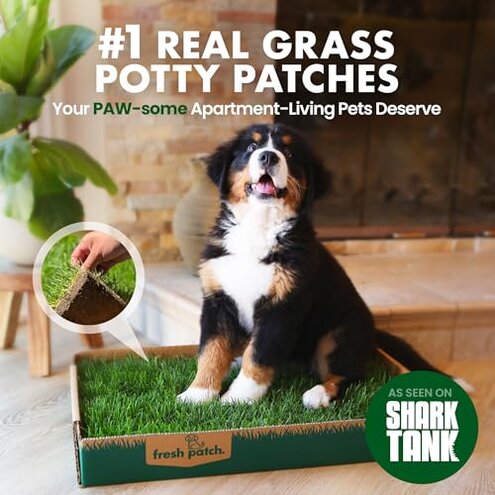
- Odor-sensitive households, because smell complaints appear repeatedly during daily indoor use.
- Renters with nice flooring, because moisture and seep risk is described as more disruptive than typical tray-based systems.
- Busy schedules, because the hidden requirement is staying ahead of replacement and disposal timing.
- High-usage homes, because saturation and smell can worsen when multiple potty trips happen before swapping.
Who this is actually good for

- Balcony users who can keep it outdoors, because they can tolerate the odor risk better than indoor-only buyers.
- Short-term needs like temporary mobility limits, where you accept the replacement hassle for convenience.
- Owners willing to use a waterproof tray, because they are choosing mess control over the “no extras” promise.
- Pets already familiar with grass, where acceptance friction may be lower even if upkeep stays high.
Expectation vs reality
- Expectation: “Reasonable for this category” is some smell over time.
- Reality: More disruptive odor is commonly reported sooner than buyers plan for, especially indoors.
- Expectation: Disposable means less work than cleaning.
- Reality: Replacement and disposal can become the main work, especially when you swap earlier to control odor.
- Expectation: “Set it down” should protect floors.
- Reality: Many buyers add a tray layer to reduce seep and soggy edges.
Safer alternatives
- Pick a washable tray potty system if your top fear is odor, since you can rinse daily instead of racing a replacement clock.
- Choose a rigid-base design if you worry about floor moisture, because barrier containment is the key difference.
- Use an indoor pad holder with absorbent pads if you need predictable upkeep, not freshness-dependent performance.
- Size up and add a splash guard if your dog has aim issues, since edge misses make saturation problems feel worse.
The bottom line
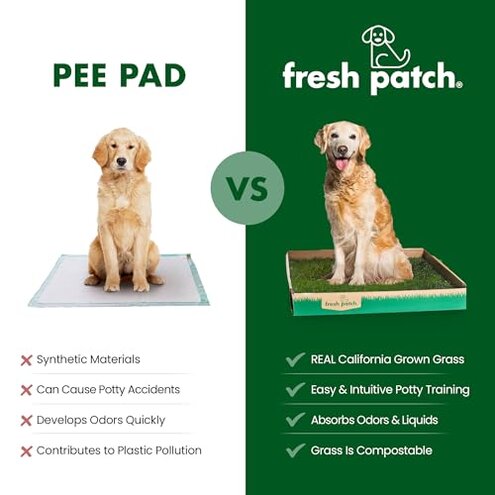
Main regret is paying for convenience and then managing odor, moisture, and frequent replacement anyway.
Higher risk than typical mid-range alternatives comes from freshness-dependent performance that can fail fast during normal indoor routines.
Verdict is to avoid if you need low-odor, low-mess, low-maintenance indoor potty reliability.
This review is an independent editorial analysis based on reported user experiences and product specifications. NegReview.com does not sell products.