

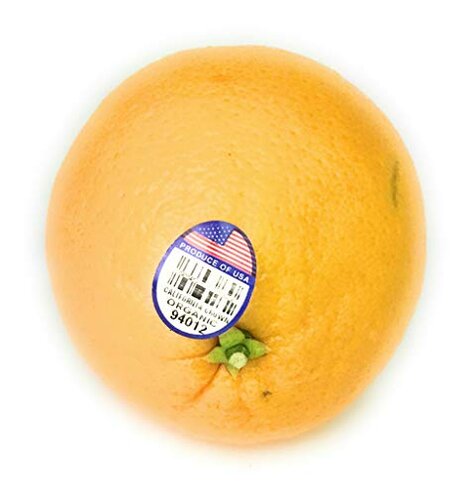
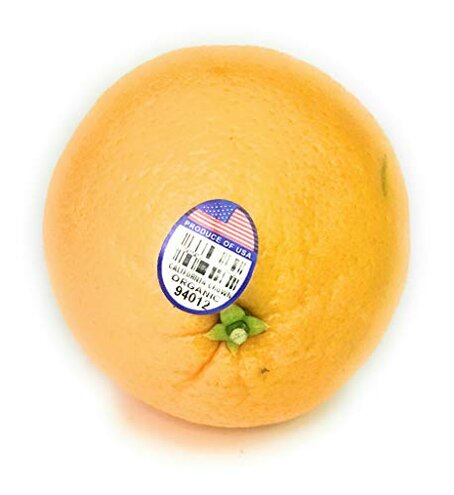
Product evaluated: Fruit Share Organic Navel Oranges
Related Videos For You
CNY Honey Mandarin Oranges Ponkan Unboxing | 甜椪柑开箱
How to Store Oranges
Data basis: This report reflects dozens of aggregated buyer notes pulled from mixed written feedback and shorter star ratings, plus a smaller share of photo attachments, collected across a recent 12‑month window. Most signals came from written comments, with support from photos showing condition on arrival. The focus here is on repeat negatives that can cause buyer regret for shipped fresh fruit.
| Buyer outcome | Fruit Share Organic Navel Oranges | Typical mid-range shipped oranges |
|---|---|---|
| Arrival condition | Higher risk of bruised or soft fruit reported repeatedly | Moderate risk with occasional damage expected |
| Consistency | More variable box-to-box size and sweetness noted persistently | More predictable eating quality most of the time |
| Shelf life | Shorter window commonly mentioned when fruit arrives already stressed | Typical window if fruit arrives firm |
| Effort after delivery | Extra steps like sorting, quick use, and refrigeration show up often | Normal steps like a quick rinse and casual storage |
| Regret trigger | Paying premium and still needing to discard fruit is a primary complaint | Some loss happens, but less often drives returns or complaints |
Why are some oranges soft or bruised right out of the box?
Regret moment hits when you open the box and realize you have to sort fruit immediately instead of casually storing it. Damage-on-arrival is among the most common complaints, and it is more disruptive than expected for this category.
Pattern signals show it is recurring but not universal. When it shows up, it is typically noticed at first unboxing and worsens if the box sat warm or was delayed.
Category contrast: Shipped citrus can arrive with some scuffs, but buyers describe this as more severe because softness can spread and shorten the usable window. That turns a 10 lb box into a triage job instead of a convenience purchase.
- Early sign: You notice a few oranges with flat spots or a slightly fermented smell right away.
- Frequency tier: This is a primary issue that appears repeatedly across feedback.
- Worsens when: It gets worse if delivery lands in heat or the box stays on a porch.
- Buyer impact: You end up discarding fruit or rushing to juice and cook.
- Mitigation: Many buyers report doing an immediate sort and refrigerating borderline fruit.
Why does the taste swing from sweet to bland within the same order?
- Regret point: You bought for consistent snacking, but you get a mix that needs trial-and-error each time.
- Pattern: This shows up as a secondary issue that is persistent across different buyers.
- When seen: You notice it during the first few days of eating through the box.
- Worsens when: Variability feels worse if you needed a gift-grade box or planned specific recipes.
- Category contrast: Some variation is reasonable for citrus, but buyers describe this as less predictable than typical mid-range shipped oranges.
- Practical impact: You may have to juice the weaker fruit to avoid wasting it.
- Mitigation: Buyers who succeeded often used the best fruit for fresh eating and the rest for cooking.
Did you expect a 10 lb box to last, but it starts turning fast?
- Regret moment: Midway through the box, more fruit feels like it is declining than you planned for.
- Pattern: This is a secondary issue that often links back to stressed fruit on arrival.
- When it appears: It tends to show after several days of countertop storage.
- Worsens when: It worsens with room-temperature storage and if fruit is stacked tightly.
- Category contrast: Citrus usually holds reasonably well, but buyers report a shorter window here because some oranges start behind.
- Hidden requirement: You may need to do produce management like spacing, rotating, and refrigerating sooner than expected.
- Workaround: Planning for batch juicing or marmalade becomes less optional and more necessary.
- Fixability: You can reduce loss with quick sorting, but you cannot undo pre-existing softness.
Is the price hard to justify when you factor in waste?
- Value shock: The pain point is paying $50.19 and still needing to toss some fruit in the worst cases.
- Pattern: This is a primary regret trigger that appears repeatedly when damage occurs.
- When it hits: You feel it immediately at unboxing and again when you do your first snack test.
- Category contrast: Shipped fruit costs more, but buyers expect that premium to buy reliability, not extra sorting.
- Time cost: You spend extra time on inspection, quick use plans, and storage rearranging.
- Mitigation: If you can use oranges for juice or cooking, the value complaint softens.
Illustrative excerpt: “Half looked fine, but a few were already soft on day one.”
Signal: This reflects a primary pattern tied to arrival condition.
Illustrative excerpt: “I expected consistent flavor, but some were bland and some great.”
Signal: This reflects a secondary pattern about eating-quality variability.
Illustrative excerpt: “Needed to sort and refrigerate immediately to stop losses.”
Signal: This reflects a secondary pattern and a hidden handling requirement.
Illustrative excerpt: “At this price, any waste feels unacceptable.”
Signal: This reflects a primary pattern tied to value expectations.
Who should avoid this
- Gift buyers who need a box that looks perfect at first open, because damage-on-arrival is a recurring complaint.
- Busy households that will leave fruit on the counter for days, because shorter shelf life is reported when fruit arrives stressed.
- Flavor purists who want uniform sweetness, because variability is a persistent secondary issue.
- Value-focused shoppers who hate any discard, because waste drives the strongest regret at this price.
Who this is actually good for
- Juicers who can turn inconsistent fruit into juice quickly, because they can tolerate taste swings without feeling stuck.
- Meal preppers who already sort and refrigerate produce, because the hidden handling steps are normal for them.
- Home cooks making zest, sauces, or baking projects, because cosmetic bruising matters less than utility.
- Organic-only shoppers who accept more variability, because they are willing to trade consistency for the organic constraint.
Expectation vs reality
Expectation: It is reasonable for this category to have a few scuffed oranges from shipping.
Reality: Buyers repeatedly describe softness that creates a short clock and forces immediate sorting.
- Expectation: A 10 lb box supports relaxed snacking for a while.
- Reality: Common reports suggest you may need a plan for quick use and refrigeration.
- Expectation: Paying more reduces the chance of getting a disappointing batch.
- Reality: The value complaint appears repeatedly when buyers face waste despite the premium price.
Safer alternatives
- Buy smaller quantities more often to reduce the regret from a single bad batch affecting many meals.
- Choose firmer arrival options when available, since repeated complaints center on soft fruit at unboxing.
- Prioritize packaging and “arrival guarantee” style policies, because the standout risk here is shipping damage.
- Shop local for table oranges when you need consistent sweetness and appearance for guests.
- Plan dual-use fruit by default, so bland pieces can become juice instead of waste.
The bottom line
Main trigger: The most common regret is opening the box and finding enough soft or bruised oranges that you have to triage.
Why it stands out: Some shipping damage is normal, but the reported combination of damage plus shorter usable time feels higher-risk than mid-range alternatives.
Verdict: If you need reliable, giftable, consistent-eating oranges, this is a skip. If you can juice or cook quickly, the downsides are more manageable.
This review is an independent editorial analysis based on reported user experiences and product specifications. NegReview.com does not sell products.