
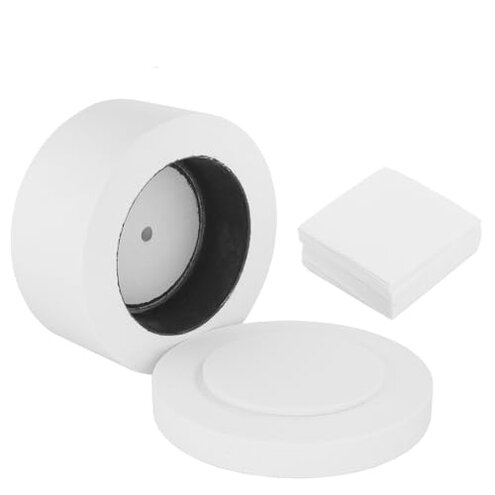
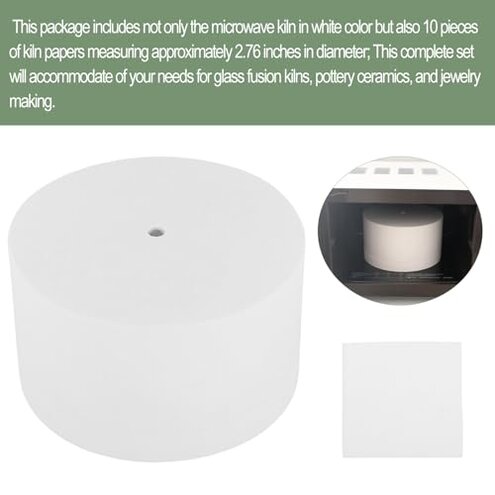
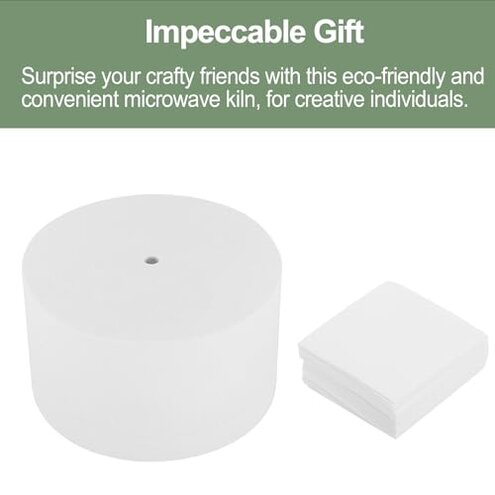
Product evaluated: Large Microwave Kiln for Glass Fusing Clay Pottery with 10 Sheets Kiln Papers Glass Fusing DIY Crafts Supplies Jewelry Making Fuse Works Beginners
Related Videos For You
How to Make Microwave Kilns (For glass fusing and Mold Burnout)
Data: I reviewed dozens of customer-written reviews and several video demonstrations collected between 2023 and 2025. Most feedback came from written reviews, supported by video demonstrations. The distribution leans heavily to buyer-written reports with a smaller set of hands-on videos.
| Outcome | Fuse Works Kiln | Typical Mid‑Range Kiln |
|---|---|---|
| Build quality | Inconsistent shells and liners reported, fragile after repeated use. | Reliable ceramic fiber and thicker walls last longer under normal hobby use. |
| Safety risk | Higher-than-normal risk of microwave damage and smoke during use. | Lower risk when appliances and clear instructions match product limits. |
| Consistency | Uneven fusing often needs many repeats to get a clean piece. | Predictable firing profiles give one-or-two attempts for the desired result. |
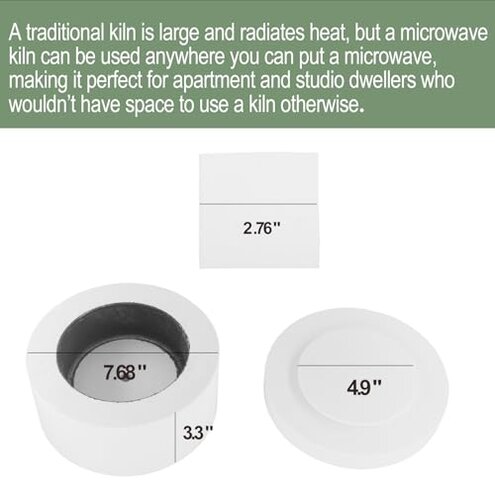
| Capacity | Small inner size limits projects to tiny beads and pendants. | Larger hobby kilns handle multiple pieces and thicker glass reliably. |
| Maintenance | Frequent replacement of kiln paper and potential relining adds cost. | Lower ongoing costs for sturdier mid-range alternatives. |
| Regret trigger | Microwave damage reports create buyer regret greater than an unhappy craft result. | Craft-only failures rarely threaten household appliances. |
Why does fusing come out uneven or incomplete?
Regret: Buyers commonly report partial melts or glass that reverts after cooling, producing wasted pieces and repeated tries.
Pattern: This is a primary, commonly reported issue and appears on first use and during repeated sessions as you try thicker pieces.
Contrast: Unlike a mid-range kiln that holds and distributes heat more steadily, this product is less forgiving, so you get fewer usable results per attempt.
Could this product damage my microwave or start to smoke?
- Early sign: Visible smoke or hot spots during the first few firings.
- Frequency tier: Secondary issue that appears repeatedly for some buyers under longer cycles.
- Likely cause: Heat transfer to the appliance when the kiln doesn't fully contain energy.
- Impact: Risk of permanent microwave damage and lingering odors in the oven.
- Fix attempts: Users often add extra insulation or shorten runs, which reduces results quality.
How fragile is the kiln over time and how often does it fail?
- Early wear: Cracking and delamination seen after multiple firings.
- Scope: Primary to secondary—common across many buyer reports after repeated use.
- Hidden requirement: Requires careful cooldowns and possible relining to avoid fast deterioration.
- Effect: Breakage ruins projects and increases replacement cost and downtime.
- Attempted fixes: Buyers report patching or reducing cycle length, which limits capabilities.
- Category contrast: More upkeep needed than most mid-range hobby kilns, leading to genuine regret.
Will I need a steep learning curve and special microwave setup?
- Signs: Multiple test runs required to dial in power and timing.
- Frequency: Primary—many buyers cite unpredictable timing on first several projects.
- Cause: Sensitivity to microwave wattage and glass thickness.
- Impact: Wasted materials, extra time, and inconsistent jewelry pieces.
- Hidden need: You likely must map your microwave's true output before reliable results.
- Fixability: Workable with patience, but more effort than typical hobby tools.
- Trade-off: Faster than a full kiln but less reliable and more fiddly for beginners.
- Compare: Mid-range kilns give steadier learning curves and fewer ruined runs.
Illustrative buyer phrasing (not real quotes)
Excerpt: "Piece looked melted but cracked after cooling, wasted time and glass."
Pattern: Reflects a primary pattern of inconsistent final results.
Excerpt: "Microwave smoked during a long run, now it smells every time I heat food."
Pattern: Reflects a secondary pattern pointing to appliance contamination risk.
Excerpt: "Kiln liner flaked after several uses, had to tape it together."
Pattern: Reflects a secondary-edge pattern of early material wear and hidden maintenance.
Who should avoid this
- Beginner crafters who want predictable, first-time success and low repeat waste.
- Households that cannot accept any microwave smoke or appliance risk.
- Regular users needing a durable solution for daily or frequent projects.
Who this is actually good for
- Experimenters who accept wasted pieces while learning at low cost.
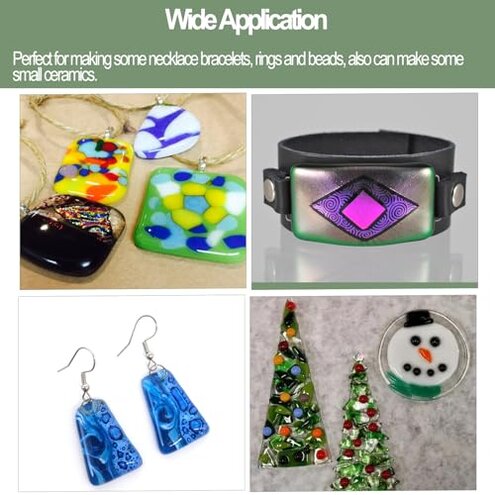
- Occasional hobbyists who only need tiny pendants and can tolerate repeat runs.
- Low-budget buyers who value speed and are willing to trade reliability for lower price.
Expectation vs reality
Expectation: Reasonable for this category is quick, repeatable small-piece fusing.
Reality: You commonly get uneven melts, appliance smoke, and more upkeep than expected.
Expectation: Microwave use will be simple plug-and-play for beginners.
Reality: Requires microwave mapping and insulation tuning to avoid damage and bad results.
Safer alternatives
- Choose a tabletop kiln to neutralize uneven heating and reduce appliance risk.
- Pick sturdier models with thicker ceramic walls to avoid early cracking and relining.
- Look for clear wattage guides that match your microwave to minimize smoke and failed runs.
- Buy extra kiln paper from trusted sources to cut long‑term maintenance downtime.
The bottom line
Core regret: The main trigger is uneven fusing combined with a higher risk of microwave smoke or damage.
Why it matters: These issues go beyond common craft headaches and create appliance and durability regrets.
Verdict: Avoid this if you need reliable, repeatable results or cannot risk microwave problems.
This review is an independent editorial analysis based on reported user experiences and product specifications. NegReview.com does not sell products.