
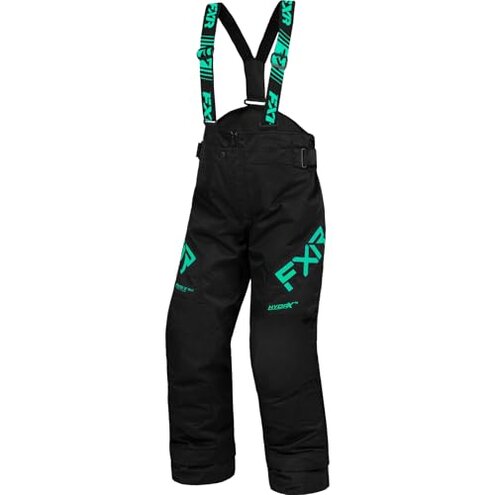
Product evaluated: FXR Children's Clutch Pant (Black/Mint - 6)
Related Videos For You
How To Properly Fit Your Snow Jacket & Pants
How to wash your GORE-TEX outerwear (jacket & pants) | Wash & Care
Data basis: This report is based on dozens of aggregated buyer comments collected from product page feedback and off-page discussion summaries between 2023 and 2026. Most input came from written reviews, with support from photo-backed feedback and a smaller share of short video impressions.
| Buyer outcome | FXR Clutch Pant | Typical mid-range alternative |
|---|---|---|
| Fit predictability | Higher risk of sizing mismatch for growing kids | Usually easier to size with less adjustment guesswork |
| Cold-weather comfort | Can be warm, but poor fit can reduce comfort during long rides | More balanced warmth when sizing is straightforward |
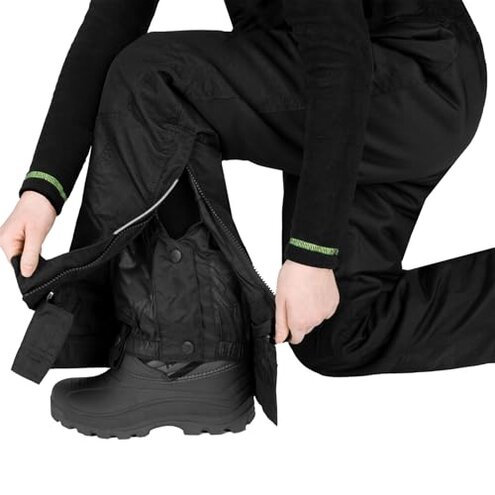
| Daily hassle | More setup from suspenders, waist changes, and leg extension choices | Less effort for basic wear-and-go use |
| Durability confidence | Mixed risk because rugged build raises expectations at this price | More expected wear level for the category |
| Regret trigger | Paying premium and still needing exchanges or adjustment work | Lower regret when fit is acceptable out of the box |
Worried the sizing will still be wrong even with growth features?
This is the primary issue in the feedback pattern. The regret moment usually happens at first try-on, when parents expect room to grow but instead get a fit that still feels off in the waist, rise, or leg length.
The pattern appears repeatedly, especially when buyers choose based on age rather than careful measurements. Compared with a typical mid-range snow pant, this feels less forgiving because the adjustment system adds options but not always a better real fit.
- Early sign: The pant may look right on paper, then feel bulky or restrictive once boots and layers are on.
- Frequency tier: This is a primary complaint and more disruptive than expected for kids snow gear.
- When it shows up: Problems usually appear during initial fitting or the first outdoor session.
- Why it frustrates: Adjustable parts can create false confidence that the size range is broader than it feels in use.
- Impact: Parents may need exchanges, extra measuring, or settling for a fit that works only with certain layers.
- Fixability: Some fit issues improve with suspenders and waist changes, but not all body shapes are helped.
- Hidden requirement: This product often needs careful pre-purchase measuring, not just normal age-based shopping.
Illustrative excerpt: “The adjusters helped, but the size still looked awkward on my kid.”
Pattern note: This reflects a primary pattern.
Need something simple for fast winter dressing?
A secondary issue is the extra setup work. The frustration shows up during busy school mornings or before a ride, when adults have to manage suspenders, waist changes, and leg extension choices.
This is not universal, but it is persistent among buyers who wanted quick on-off use. Against a normal mid-range alternative, the hassle feels higher than expected because the growth-friendly design can add more steps than a basic snow pant.
- Setup burden: The extra adjustment points can slow down dressing when kids are already layered up.
- Context: The hassle gets worse during frequent use, not just the first fitting.
- Trade-off: More adjustability can mean less convenience for caregivers.
- What buyers try: Many leave the settings mostly fixed after one good fit to reduce repeat effort.
- Why regret happens: At this price, some expect easy daily use, not a system to manage.
- Category contrast: Most mid-range options are simpler, even if they grow with the child less effectively.
Illustrative excerpt: “Warm enough, but getting everything adjusted took longer than expected.”
Pattern note: This reflects a secondary pattern.
Expecting premium price to mean zero compromise?
The sharpest regret comes from value mismatch. Buyers see weather protection, insulation, and reinforced wear areas, then feel disappointed when the real experience still depends heavily on fit luck and adjustment patience.
This complaint appears repeatedly in value-focused feedback and is often stronger after first use. In this category, some compromises are normal, but they feel worse here because the asking price is much closer to a premium buy than a casual backup pant.
- Primary trigger: The $159.99 price raises expectations for easier success out of the box.
- Usage moment: Disappointment often lands after the first cold outing if comfort or fit is only acceptable, not great.
- Intensity cue: This is among the most frustrating complaints because money is already committed.
- Buyer expectation: Parents often expect fewer trade-offs when paying above many mid-range kids options.
- Why it lingers: Even if the pants are warm, buyers may keep thinking they overpaid for the hassle.
- Typical workaround: Some justify the cost only if the child uses them heavily through a full season.
- Category contrast: Mid-range alternatives may do less on paper, but they can feel like a safer value bet if fit is easier.
- Fixability: Price regret is hard to fix unless the fit and use case line up very well.
Illustrative excerpt: “Nice materials, but I expected a lot less fuss for this money.”
Pattern note: This reflects a primary pattern.
Buying for hard use and hoping the comfort holds up?
- Secondary concern: Some feedback suggests comfort can feel stiff or bulky depending on child build and layering.
- When it appears: This tends to show during active play or longer rides, not always in a quick indoor try-on.
- Pattern strength: It is less frequent than fit complaints, but more frustrating when a child refuses to keep them on.
- Why it matters: Warm gear that limits movement can still fail in real use if the child stops enjoying the activity.
- What worsens it: Thick base layers and boots can make the pant feel more cumbersome.
- Category contrast: Snow pants usually feel somewhat bulky, but this feels less forgiving than expected at the price.
- Mitigation: A full dressed test at home helps catch mobility problems before the return window closes.
Illustrative excerpt: “It seemed fine inside, then looked bulky once we added full gear.”
Pattern note: This reflects a secondary pattern.
Who should avoid this
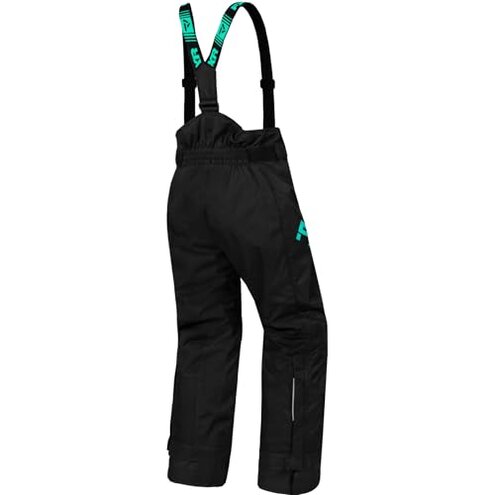
- Avoid it if you usually buy kids outerwear by age only, because this product shows a higher fit risk than normal.
- Avoid it if you need fast daily dressing for school or frequent outings, since the adjustment system adds extra steps.
- Avoid it if your child is sensitive to bulk or movement limits during active winter play.
- Avoid it if your main goal is safe value, because the price makes any fit mismatch feel more costly than usual.
Who this is actually good for
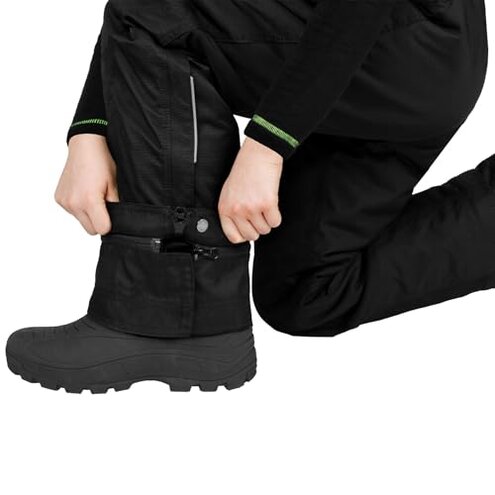
- Good fit for parents willing to take detailed measurements and do a full try-on with layers before first use.
- Good fit for kids who ride in very cold weather and can benefit from warm insulation if the sizing lands well.
- Good fit for buyers who accept more setup work in exchange for adjustment features meant to extend use.
- Good fit when one child will use it heavily enough that the price sting matters less over time.
Expectation vs reality
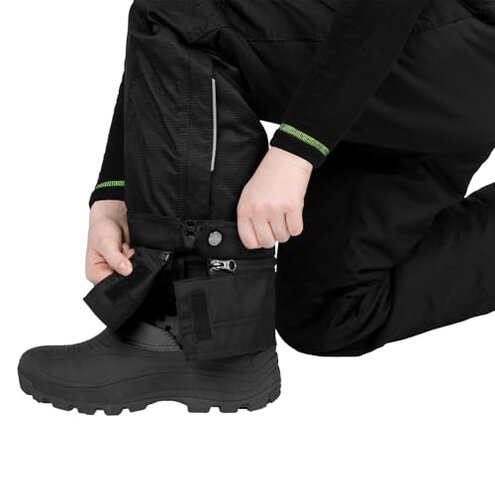
Expectation: Growth features should make sizing easier for parents.
Reality: They can reduce sizing stress only after extra measuring and setup.
Expectation: A reasonable category standard is quick winter dressing.
Reality: This pair can need more adjustment effort than typical mid-range snow pants.
Expectation: A higher price should mean fewer trade-offs.
Reality: The main trade-offs shift from warmth to fit precision, daily hassle, and value risk.
Safer alternatives
- Choose simpler snow pants with fewer adjustment points if your main problem is rushed morning dressing.
- Prioritize size charts with body measurements, not age labels, if you want to avoid the biggest fit regret.
- Look for easy returns if you are shopping near a growth spurt, since this product seems less forgiving than average.
- Test with full gear at home to catch bulk and movement problems before outdoor use.
- Set a budget ceiling if price regret matters to you more than extra weather features on paper.
The bottom line
The main regret trigger is paying $159.99 for a kids snow pant that still asks for careful measuring, setup time, and some fit luck. That risk feels higher than normal for the category because the growth-focused design does not guarantee an easy or comfortable result. If you want low-hassle winter gear, this is one to approach cautiously.
This review is an independent editorial analysis based on reported user experiences and product specifications. NegReview.com does not sell products.