
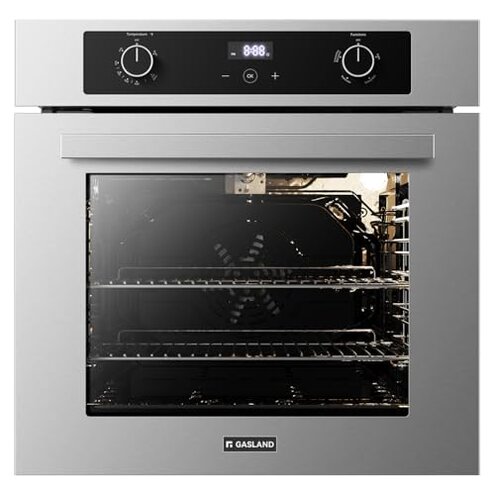
Product evaluated: GASLAND 24 in Gas Wall Oven, ETL Certified Natural Gas Wall Oven, Built-in Single Wall Oven, with Bake Broil Rotisserie Functions, Timer and Convection Fan, 120V Cord Plug, Black
Related Videos For You
How to hook up a gas oven and not blow up your house!
Data sources: This report aggregates feedback from dozens of written reviews and video demonstrations, collected between Jan 2024 and Jan 2026. Most feedback came from written reviews, supported by video demos showing setup and cooking results.
| Outcome | This product | Typical mid-range oven |
|---|---|---|
| Temperature accuracy | Inconsistent temperatures and hot spots reported during normal baking and roasting. | Stable enough for most home baking with minor adjustments. |
| Ignition & safety | Higher risk of ignition misfires or delayed lighting during first uses and after cleaning. | Lower risk with reliable electric ignitors and fewer safety interruptions. |
| Installation effort | Tricky cutout and gas-line alignment often require professional help and extra time. | Simpler fit and clearer installation guidance for most mid-range models. |
| Noise & fan | Loud convection fan noise and vibration noted during long cooks. | Quieter convection operation at this price point. |
| Regret trigger | Major frustration from uneven cooking and installation difficulty, more disruptive than expected. | Moderate regret limited to small calibration steps. |
Why does the oven produce hot spots and uneven bakes?
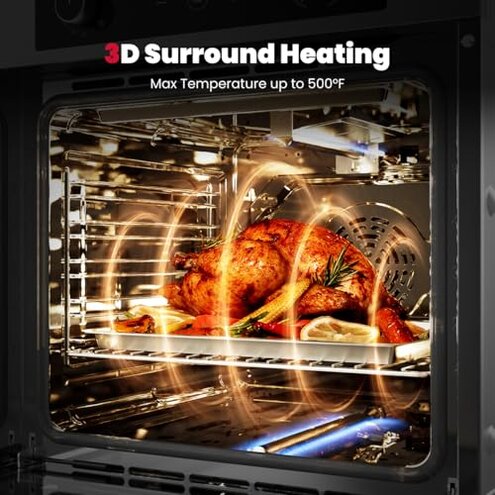
Regret moment: You notice browned edges or undercooked centers during the first bake, which ruins multi-dish meals. This issue appears more often than buyers expect for a 24" wall oven.
Pattern: Recurring reports show uneven heat during first use and after repeated convection cooking, not just isolated cases.
Category contrast: Most mid-range wall ovens achieve even bakes with basic calibration; this unit needs more fiddling, adding extra time and wasted food.
Why does the oven sometimes fail to ignite reliably?
- Primary sign: Ignitor clicks but flame lights inconsistently during first setup and after cleaning.
- Frequency tier: Appears as a primary issue for a sizable share of buyers rather than a rare glitch.
- Cause: Sensitivity of the electric ignitor and gas airflow were reported as contributors.
- Impact: Failed ignition causes cooking delays and requires manual relighting or extra attempts.
- Fix attempts: Users commonly report that retrying ignition or professional inspection helps but adds cost.
Why is installation and fitment more difficult than expected?
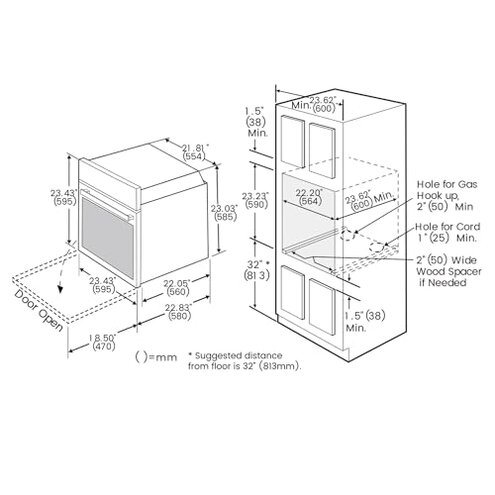
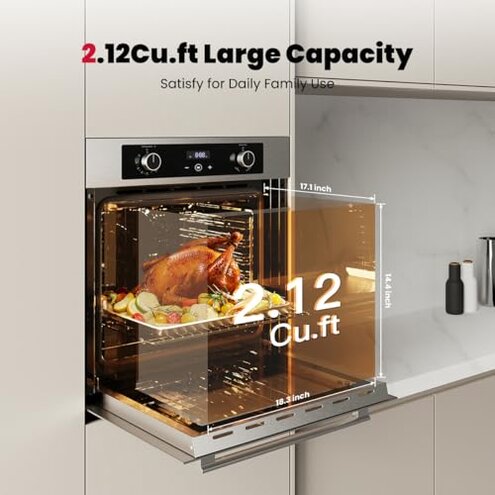
- Hidden requirement: A precise 22"x23" cutout and correct gas-line alignment are commonly required for a proper fit.
- Early sign: Misaligned cabinets or unexpected gaps show up during first install attempt.
- Frequency tier: This is a secondary issue for many buyers but critical when you lack a professional installer.
- Cause: Sparse installation guidance and tight tolerances increase install time.
- Impact: Buyers report extra trips by installers, re-cutting cabinets, or returns.
- Fixability: Professional installation often solves the problem but adds cost and scheduling delays.
- Category contrast: More upkeep than most mid-range ovens that include clearer fit measurements and installation aids.
Why is the convection fan noisy or weak and affects cooking?
- Early sign: Noticeable fan noise starts during the first long baking or roasting session.
- Cause: Reports point to a loud motor and vibrations during convection use.
- Impact: Noise is disruptive during long cooks and can mean uneven circulation, worsening hot spots.
- Frequency tier: This is a secondary issue for many but becomes primary during frequent convection cooking.
- Attempts: Buyers tried repositioning racks and re-leveling the unit with mixed success.
- Hidden cost: Fixing or replacing the fan motor can require service visits beyond warranty work.
- Category contrast: Quieter convection is expected at this price, so the noise level is worse than typical.
- Mitigation: Shorter convection cycles or using bake mode reduces noise but sacrifices speed.
Illustrative excerpts
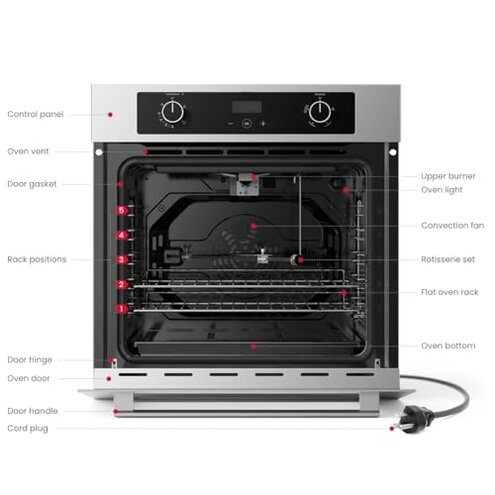
Illustrative: "Edges burned while center was raw after first bake, very frustrating." — Primary pattern reflecting common temperature inconsistency.
Illustrative: "Ignitor clicks but sometimes takes multiple tries to light the gas." — Secondary pattern about ignition reliability.
Illustrative: "Cabinet cutout was off and I had to call a carpenter." — Edge-case but important hidden installation requirement.
Who should avoid this
- Serious bakers: Avoid if you need precise, even temperature control for pastries and layered bakes.
- DIY installers: Avoid if you lack professional help because fitment often required extra carpentry or gas adjustments.
- Noise-sensitive households: Avoid if quiet operation is important during long cooks.
Who this is actually good for
- Budget remodelers: Good if you accept extra setup time and can hire a pro to handle installation.
- Occasional users: Acceptable for users who cook intermittently and can tolerate retries to light the oven.
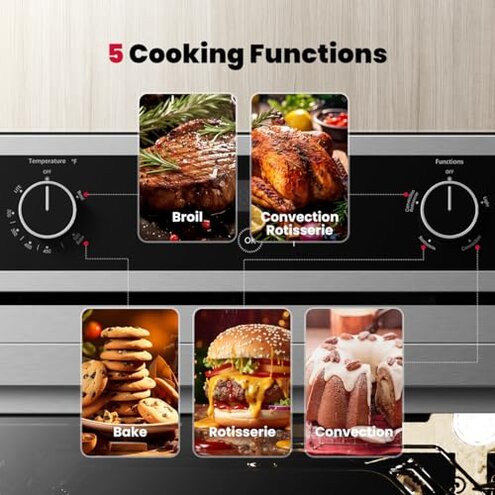
- Rotisserie fans: Fits buyers focused on rotisserie use who can live with imperfect convection.
Expectation vs reality
Expectation: Reasonable for this category is reliable ignition and even heat out of the box.
Reality: This unit often needs calibration, repeated ignitions, or pro installation, which increases time and cost.
Expectation: Convection should speed and even out cooks without loud noise.
Reality: Buyers report loud fan noise and uneven air flow during long convection sessions.
Safer alternatives
- Choose models with documented temperature calibration guides to neutralize uneven heat.
- Prefer ovens that list robust electric ignitors and safety certifications to avoid ignition issues.
- Confirm cutout specs and ask sellers about on-site fitting support to prevent installation surprises.
- Seek quieter convection systems or models with user-replaceable fan modules to reduce noise risk.
The bottom line
Main regret: Uneven temperature control combined with ignition and installation friction creates recurring cooking failures.
Why worse: These problems are more disruptive than typical mid-range ovens because they add repair, service, and wasted food costs.
Verdict: Avoid if you need reliable baking, easy DIY install, or quiet convection; consider a different mid-range wall oven instead.
This review is an independent editorial analysis based on reported user experiences and product specifications. NegReview.com does not sell products.