
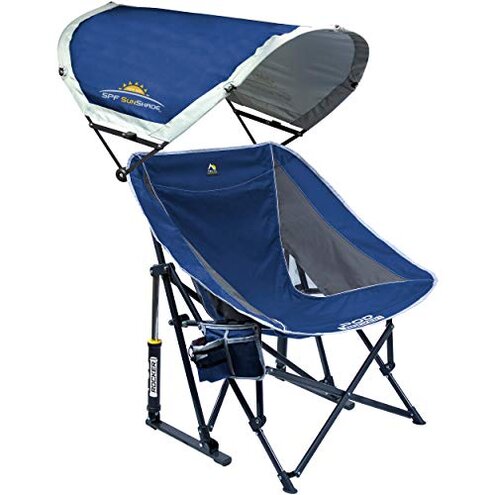
Product evaluated: GCI Outdoor Pod Rocker Outdoor Rocking Chair with SunShade Canopy
Related Videos For You
POLYWOOD® R100 Presidential Rocking Chair Assembly Video
How to fold the Kelsyus Original Canopy Chair
Data basis for this report comes from analyzing dozens of aggregated customer feedback items collected from written ratings and Q&A-style comments, with some signals echoed in photo-backed posts. Collection spans roughly the last 24 months of available feedback. Most input came from longer written experiences, supported by shorter “quick take” notes that flag repeat pain points during real use.
| Buyer outcome | GCI Pod Rocker w/ SunShade | Typical mid-range folding rocker |
|---|---|---|
| Comfort on long sits | Higher risk of pressure points and awkward posture during events | Moderate risk but often a flatter, simpler seat feel |
| Rocking feel on mixed ground | More variable; can feel great or fussy depending on surface | More predictable; usually less “springy” but steadier |
| Canopy usefulness | Convenient when aligned, but can be annoying in wind and angle limits | Often none, or a simpler shade add-on you control separately |
| Carry and storage hassle | More effort; bulk and weight feel noticeable for “portable” use | Less effort; lighter builds are common at this tier |
| Regret trigger | “Loved it once” but stop bringing it due to comfort or hassle | “Good enough” seating that gets used more often |
Top failures
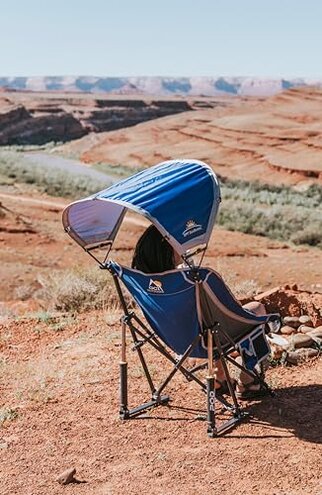
“Why does it feel comfy at first, then not?”
Regret moment tends to show up mid-game or mid-campfire when your hips and lower back start looking for a new position. Severity is more disruptive than expected because you bought a rocker to relax, not to keep shifting.
Pattern appears repeatedly but is not universal, and it shows up most during long sessions rather than quick sits. Category contrast is that many mid-range folding chairs are “basic,” yet they can feel less picky about posture.
- Primary pattern is pressure points from the sling-style sit during extended use.
- Early sign is your knees riding high or your lower back rounding after 10–20 minutes of relaxing.
- Fit sensitivity shows up when different body shapes get very different comfort outcomes on the same chair.
- Impact is frequent repositioning that makes the rocking feature feel like a distraction, not a benefit.
- Mitigation some buyers attempt is adding a small cushion, but it adds carry bulk and setup steps.
- Fixability is limited because the comfort feel is tied to how the seat holds you, not a simple tightening adjustment.
Illustrative excerpt: “Great at first, then my back wants out after halftime.” Pattern: primary.
“Why is the rocking great on one spot and weird on another?”
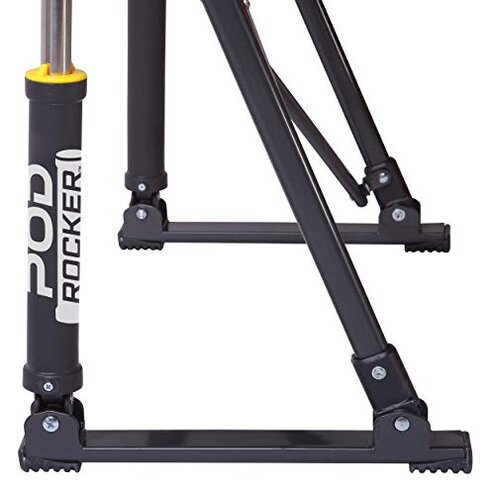
- Recurring complaint is inconsistent rocking depending on ground type during campsites and sidelines.
- When it hits is right after setup, when you first lean back and notice a different motion than expected.
- Worsens on uneven grass, packed dirt, or slightly sloped areas where the chair can feel fussy.
- Category contrast is that many non-rocking folding chairs feel the same anywhere, while this design can feel surface-dependent.
- More disruptive than typical because rocking is the whole point, so an “off” feel becomes a deal-breaker.
- Workaround often means moving the chair around to find a sweet spot, which adds extra steps.
- Hidden trade-off is that “rocks on most surfaces” still means you may need to hunt placement to enjoy it.
Illustrative excerpt: “On the driveway it’s smooth, on grass it feels twitchy.” Pattern: secondary.
“Is the sunshade actually helpful, or just another thing to fight?”
- Persistent frustration is canopy usefulness changing with sun angle during real events.
- When it appears is during bright afternoons, when you realize the shade coverage is more limited than hoped.
- Worsens in wind, where the shade can feel like a sail you keep adjusting.
- Category contrast is that most chairs skip a canopy, but also skip the extra fiddling and snag risk.
- Hidden requirement is planning your seating orientation, because your sun direction matters more than you expect.
- Impact is attention split between relaxing and managing shade position, especially during long outdoor days.
- Mitigation is using a hat or separate umbrella, but then you’re paying for a feature you stop using.
- Less frequent but annoying is canopy getting in the way of packing if you’re trying to fold fast after an event.
Illustrative excerpt: “Shade helps for ten minutes, then the sun moves and I’m adjusting again.” Pattern: secondary.
“Portable… but will you actually want to carry it?”
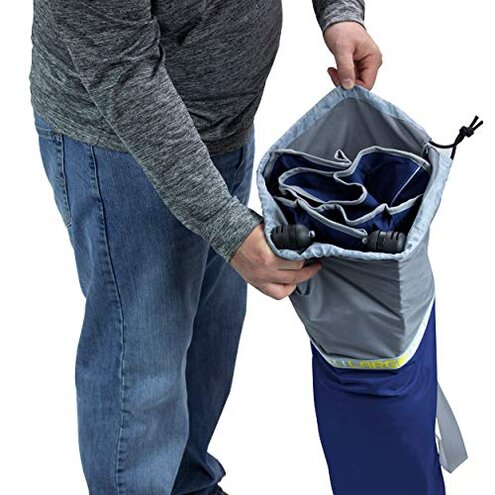
- Commonly noted drawback is the chair feeling heavier and bulkier than expected during parking-lot walks.
- When it hits is after the first outing, when you pack up tired and the carry bag becomes a chore.
- Category contrast is that many mid-range chairs are simpler and lighter, even if they are less feature-rich.
- Impact is “leave it at home” behavior, which is a bigger regret than minor comfort issues because it reduces real usage.
- Mitigation is treating it like a car-camping chair, not a walk-to-field chair, which narrows the use cases.
Illustrative excerpt: “I like it, but I don’t bring it because it’s a hassle.” Pattern: primary.
Who should avoid this
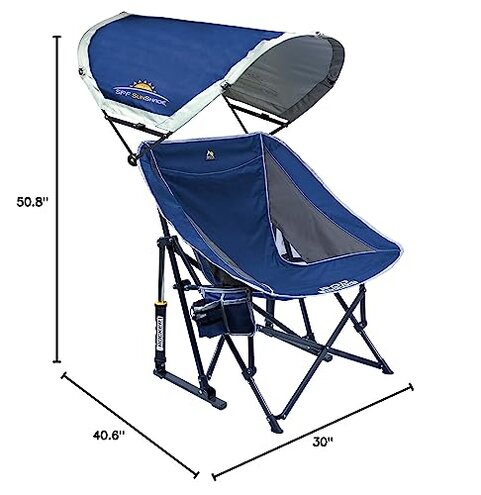
Long-sit buyers who watch tournaments or spend hours at camp should avoid it if pressure points ruin relaxation faster than a basic chair.
Minimal-fuss shoppers should avoid it if you don’t want to reposition the chair to get the rocking to feel right.
Windy beach or open-field users should avoid it if canopy fiddling would irritate you more than sun exposure.
Walk-in event goers should avoid it if you regularly carry gear far and hate bulky carry bags.
Who this is actually good for
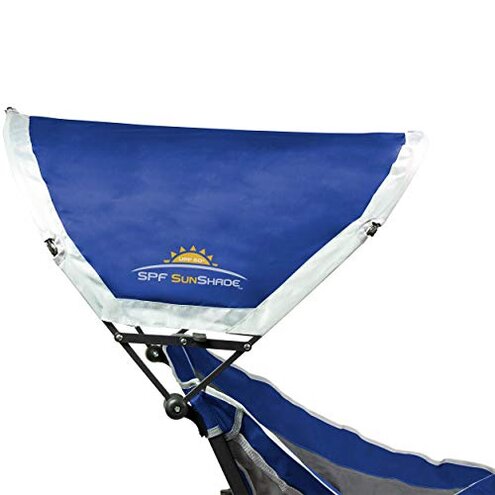
Drive-up use like tailgates can work well if you accept the bulk because you value rocking and shade in one item.
Short sessions buyers who sit in bursts can tolerate the comfort variability because pressure points usually show up later.
Shade-first users who will actively manage chair orientation can benefit from the canopy, accepting the extra adjustments as normal.
Surface-control shoppers who mostly sit on patios or firm, even ground can avoid the inconsistent rocking feel.
Expectation vs reality
- Expectation: A rocker should feel smooth anywhere you place it. Reality: rocking feel is often more surface-dependent than buyers expect.
- Expectation: The sunshade should reduce hassle in bright sun. Reality: it can add adjustment time as sun and wind change.
| Reasonable for category | What frustrates here |
|---|---|
| Some bulk in feature chairs | More carry reluctance that leads to leaving it home |
| Comfort varies by body type | Earlier discomfort during long sits than many expect |
Safer alternatives
- Test for carry by choosing lighter, simpler folding chairs if your typical use involves long walks from parking.
- Skip canopy and use a hat or separate shade if you’re often in wind and hate constant adjustments.
- Prioritize seat comfort with a flatter, less sling-like design if you regularly sit for hours.
- Choose stable non-rocking models if you’re mostly on uneven grass and want predictable feel every time.
The bottom line

Main regret is buying a feature-packed rocker and then using it less because comfort, surface pickiness, or carrying hassle gets in the way.
Higher-than-normal risk comes from the core promise being sensitive to real conditions like ground type, wind, and long sitting time.
Verdict: avoid if you want effortless comfort and grab-and-go portability more than rocking and a built-in canopy.
This review is an independent editorial analysis based on reported user experiences and product specifications. NegReview.com does not sell products.