
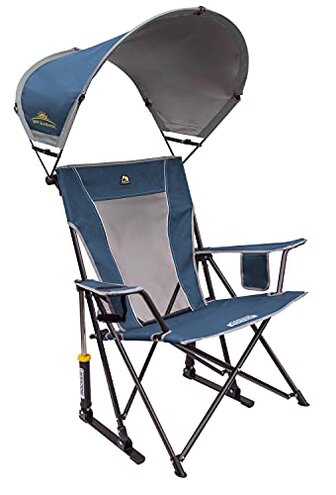
Product evaluated: GCI Outdoor Sunshade Rocker Outdoor Rocking Chair with Canopy
Related Videos For You
GCI Outdoor Comfort Pro Rocker™
GCI Outdoor Roadtrip Rocker vs GCI Freestyle Rocker
Data basis: This report summarizes dozens of aggregated owner comments gathered from a mix of written ratings, Q&A-style posts, and photo/video-backed demonstrations collected across a multi-month window ending in 2026. Most feedback came from written experiences, with some short clips used to confirm real-world handling and canopy behavior.
| Buyer outcome | GCI Sunshade Rocker | Typical mid-range rocker chair |
|---|---|---|
| Comfort in long sits | Mixed; comfort can drop when rocking angle feels off | Steadier; fewer complaints about changing feel mid-session |
| Stability on uneven ground | Higher-than-normal risk; rocking can feel twitchy on some surfaces | Lower risk; more forgiving motion on grass and packed dirt |
| Canopy usefulness | Conditional; shade depends on sun angle and setup position | Simpler; fewer moving parts to adjust during use |
| Portability and handling | Bulkier; carrying and folding can be fussier than expected | Easier; more predictable fold and carry experience |
| Regret trigger | Rocking feel doesn’t match your ground and body size | Usually fewer “I can’t get comfy” returns |
Top failures
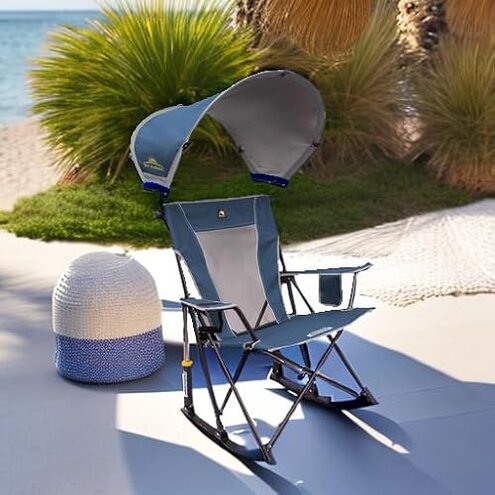
“Why does the rocking feel wobbly or ‘off’ on my usual spot?”
Regret moment: you set it up at a game or campsite, lean back, and the motion feels less smooth than you expected.
Severity: this is among the most disruptive complaints because it affects every minute you sit.
Pattern: the issue appears repeatedly, but it is not universal.
When it shows up: it tends to appear during first use on uneven grass, gravel, or sloped pads, and it can feel worse in longer sessions.
Category contrast: most mid-range rockers feel more forgiving across common outdoor surfaces, so this stands out when it doesn’t “just work.”
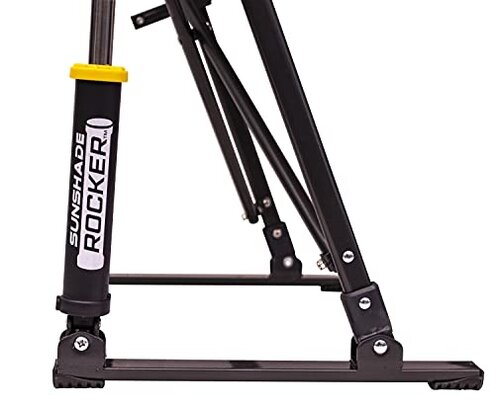
- Surface sensitivity shows up when one side sits slightly higher on uneven ground.
- Primary pattern complaints cluster around rocking that feels twitchy rather than smooth.
- Body-position changes can amplify the sensation when you shift, recline, or push off with your feet.
- Workaround often means repositioning the chair several times to find a “sweet spot.”
- Time cost is higher than typical because the fix is trial-and-error each new location.
- Fixability is limited because it depends on ground conditions more than a one-time adjustment.
- Illustrative: “It rocks, but it never feels settled on our lawn.” Primary pattern.
“Is the canopy actually useful, or is it just ‘nice in theory’?”
Regret moment: you buy it for shade, then find yourself still moving the chair to chase coverage.
Severity: a secondary complaint, but it stings because it’s a main reason people choose this model.
Pattern: canopy disappointment appears persistently, especially among buyers using it in full sun.
When it shows up: it becomes obvious during midday use when the sun angle changes and the canopy’s best position shifts.
Category contrast: in this category, “shade” features often require adjustment, but this model can require more frequent repositioning than expected.
- Angle chasing is commonly reported when the sun moves and your face or shoulders still get hit.
- Hidden requirement is that you may need to orient your whole chair to the sun, not just adjust the canopy.
- Wind factor can make the setup feel more finicky when conditions shift during use.
- Expectation gap is bigger for sports sidelines where you cannot always rotate your seat position.
- Best-case use is more “helpful relief” than “set-and-forget shade.”
- Illustrative: “I expected shade anywhere, but I’m still turning the chair.” Secondary pattern.
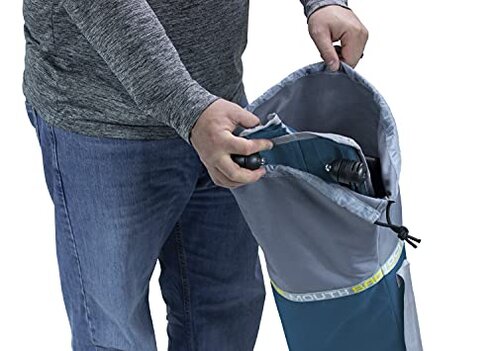
“Why is it such a hassle to carry, fold, or store?”
Regret moment: it looks portable, but the real-life carry from car to field feels more awkward than your older camp chair.
Severity: a secondary issue, but it becomes a deal-breaker for frequent event-goers.
Pattern: handling complaints show up repeatedly, especially among buyers doing quick in-and-out trips.
When it shows up: the frustration hits after repeated use when you are packing up fast at the end of an event.
Category contrast: most mid-range folding chairs have fewer “steps,” so extra fuss feels more annoying than it sounds.
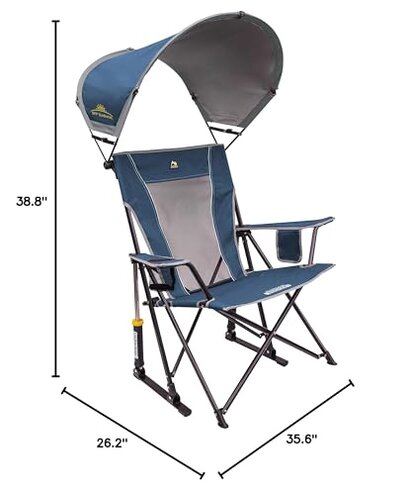
- Bulk feel comes up when fitting it into tighter trunks or closets.
- Setup speed can be fine, but the pack-away experience is where complaints show more often.
- Carry fatigue is more noticeable because the chair is not a lightweight style.
- Snag points can slow you down when fabric and frame don’t fold as neatly as expected.
- Event pressure makes it worse when you need a fast exit in crowds or parking lots.
- Mitigation often means practicing the fold at home and dedicating a storage spot.
- Illustrative: “Great at the campsite, annoying every time we pack up.” Secondary pattern.
“Does it stay comfortable, or do pressure points show up?”
- Primary irritant is comfort that feels great early, then fades during longer sits for some body types.
- When noticed is usually after you settle in for a full game, concert, or long campfire stretch.
- Seat angle can interact with rocking motion, making posture tweaks more frequent than typical.
- Category baseline is that folding chairs can get tiring, but this model is reported as less forgiving for extended lounging.
- Small fixes include adding a thin cushion, but that adds one more item to carry.
- Not universal shows up because many buyers still report it as comfortable, just not reliably so.
- Illustrative: “Comfortable for 20 minutes, then I keep shifting.” Edge-case pattern.
Who should avoid this
- Sideline regulars who sit on uneven grass and need stable rocking without repositioning.
- Shade-first buyers who expect consistent coverage without rotating the entire chair.
- Frequent pack-up users who value quick folding and easy trunk storage over features.
- Long-session loungers who get sore easily and need predictable comfort for hours.
Who this is actually good for
- Patio users on flatter surfaces who want rocking and can accept occasional canopy repositioning.
- Casual campers who set up once and leave it in place, reducing carry and folding friction.
- Feature shoppers who value shade as “bonus comfort,” not guaranteed full coverage.
- Moderate sit times buyers who take breaks and won’t notice long-session pressure points as much.
Expectation vs reality
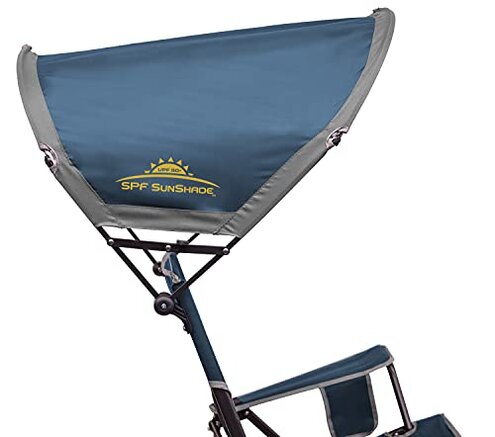
Expectation: A canopy chair gives shade with minimal fuss, which is reasonable for this category.
Reality: Shade can be position-dependent, so you may rotate the chair more than expected.
Expectation: A rocker should feel smooth on grass like most mid-range outdoor rockers.
Reality: The rocking feel can be surface-sensitive, which raises regret on uneven ground.
- Expectation is quick pack-up like a basic folding chair.
- Reality can be more fiddly to carry and store because of the feature design.
Safer alternatives
- Pick simpler rockers if you sit on uneven fields, since fewer moving parts often means steadier feel.
- Choose fixed shade solutions like an umbrella or pop-up canopy to avoid constant chair repositioning.
- Prioritize easy-fold frames if you do weekly events, because pack-up friction becomes your daily annoyance.
- Test seat depth and recline style in a similar chair if you sit for hours, since comfort is highly body-dependent.
The bottom line
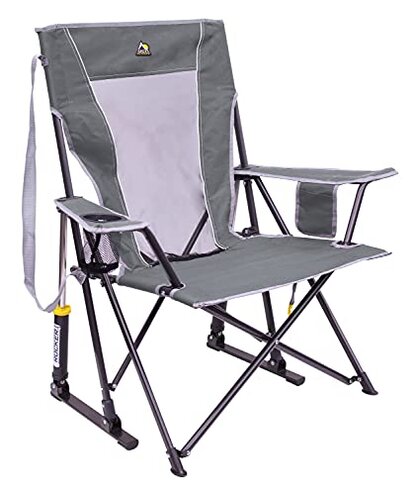
Main regret is a rocking-and-shade experience that can feel more conditional than buyers expect.
Why it exceeds normal category risk is the repeated theme of surface sensitivity and extra repositioning steps during real outdoor use.
Verdict: Avoid if you need predictable stability and shade with no fuss, and consider simpler seating plus separate shade.
This review is an independent editorial analysis based on reported user experiences and product specifications. NegReview.com does not sell products.