
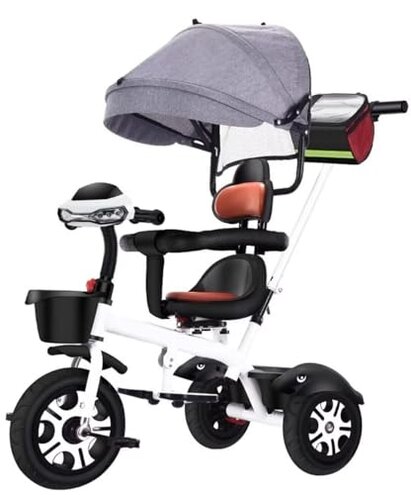
Product evaluated: Reversible Seat Toddler Stroller Buggies, Children Pram with Canopy, High Back Guardrail and Belt, Parent Steering Tricycle Handle(White Grey,with Headlight)
Related Videos For You
How to assemble the Kinderkraft AVEO tricycle with swivel seat How To Video | Tutorial
How to use the steering clutch | Liki Trike
Data basis: This report is based on dozens of aggregated buyer notes collected from mixed written feedback and photo/video demonstrations over a recent 12-month window. Most detail came from longer written complaints, with supporting clips showing setup and real-life handling.
| Buyer outcome | This stroller trike | Typical mid-range option |
|---|---|---|
| Steering feel | Higher risk of “fighting” the handle during turns | Lower risk, more predictable tracking |
| Assembly time | Higher chance of multi-step rework after first build | Moderate time with fewer rebuild moments |
| Daily convenience | More interruptions from adjustments and re-tightening | Less tinkering once dialed in |
| Safety confidence | More second-guessing around brakes and stability | More “set it and go” confidence |
| Regret trigger | Price feels hard to justify if it needs fixes quickly | Value holds better when annoyances are minor |
Why does the push-handle feel like it won’t steer cleanly?
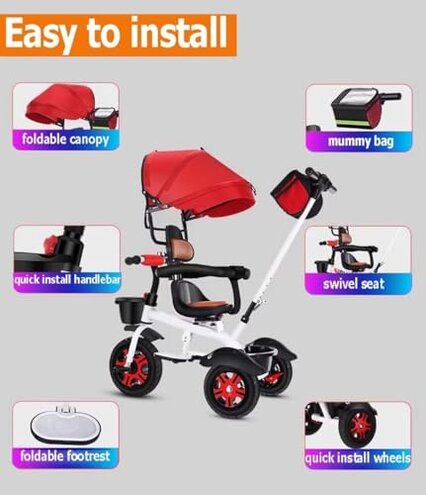
Regret usually hits on the first longer walk, when you expect “stroller-like” control and instead get a trike that needs constant correction.
Severity is more disruptive than expected because steering is the whole point of the parent-handle mode at this price level.
Pattern: This complaint appears repeatedly, but it is not universal.
When: It shows up during daily use, especially on turns and uneven sidewalks where small misalignment becomes obvious.
Category contrast: Mid-range push-trikes still wander sometimes, but this is reported as less forgiving and more “hands-on” than typical.
- Early sign is a handle that feels “loose” even when everything looks connected.
- Primary tier frustration is needing constant micro-corrections to keep a straight line.
- Worse condition is tight turns, curb cuts, or rough pavement where wobble feels amplified.
- Suspected cause is alignment and linkage tolerance, based on recurring setup-and-use descriptions.
- Impact is slower walks and more fatigue because you steer with force, not guidance.
- Mitigation often involves rechecking fasteners and re-seating parts, which adds extra steps.
- Fixability is mixed, since some reports say adjustments help while others say the feel persists.
- Illustrative excerpt: “I’m pushing, but it still drifts unless I correct nonstop.”
- Pattern note: This reflects a primary pattern tied to steering control.
Are you ready for a fussy assembly and re-assembly loop?
Regret tends to happen after the first build, when you realize a “working” setup still needs tweaks to feel stable.
Severity is higher than normal because this is marketed as a flexible, reversible setup, yet that flexibility can mean more points to adjust.
- Pattern shows up commonly reported in first-day ownership stories.
- When it hits is after setup, once you try canopy, seat direction, and handle settings together.
- Hidden requirement is having extra time and patience for a second pass of tightening and alignment.
- Worse condition is when you switch modes or reverse the seat and something feels “off” again.
- Category contrast is that many mid-range trikes assemble once and stay “good enough,” while this is described as needing more dialing in.
- Workaround buyers attempt is tightening in a specific order, which adds trial-and-error steps.
- Result risk is a ride that feels less stable until you do the extra adjustments.
- Illustrative excerpt: “Built it twice before it stopped feeling wobbly.”
- Pattern note: This reflects a secondary pattern tied to setup friction.
Do the brakes and stability feel as confidence-inspiring as you expect?
Regret is strongest when you park on a slight slope and realize you are double-checking the stop instead of trusting it.
Trade-off is that the product promises safety features, yet some feedback describes real-world use as less reassuring than expected.
- Pattern is less frequent than steering complaints, but it is more anxiety-inducing when it appears.
- When it shows is during stops, like pausing at crossings or parking briefly to adjust the canopy.
- Worse condition is uneven ground, where small movement feels bigger to a parent.
- Category contrast is that mid-range options usually deliver “good enough” parking confidence, while this is described as needing more vigilance.
- Impact is extra checking and positioning, which slows down simple errands.
- Mitigation tends to be choosing flatter parking spots, which is not always available.
- Fixability is unclear, since the issue is often described as feel and confidence, not a single broken part.
- Illustrative excerpt: “I don’t fully trust it parked unless I hold the handle.”
- Pattern note: This reflects an edge-case pattern tied to safety confidence.
Does the reversible seat end up being more hassle than help?
Regret can show up once you actually use the reverse feature and notice it adds handling steps, not just convenience.
Severity is moderate, but it feels worse at this price because reversibility is a headline feature.
- Pattern is persistent among buyers who regularly switch seating direction.
- When it happens is after repeated use, once you do the swap more than once.
- Worse condition is hurried transitions, like loading up quickly after daycare pickup.
- Category contrast is that many mid-range options either do not reverse or reverse with fewer “extra steps,” reducing decision fatigue.
- Impact is more fiddling with alignment and fit, which can shorten patience for daily use.
- Mitigation is picking one direction and leaving it there, which reduces the value of the feature.
- Illustrative excerpt: “Facing-parent sounded great, but switching it is a chore.”
- Pattern note: This reflects a secondary pattern tied to feature friction.
Who should avoid this
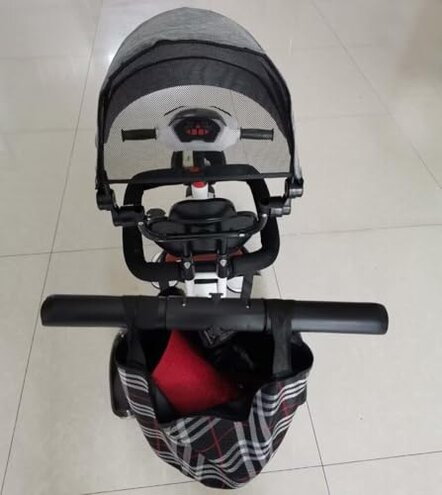
Frequent walkers should avoid it if you expect one-hand, stroller-like steering, because recurring control complaints show up during real outings.
Low-patience assemblers should avoid it if you hate rework, because setup often involves extra steps after the first build.
Safety-anxious parents should avoid it if you need strong parking confidence, since some feedback describes second-guessing during stops.
Feature switchers should avoid it if you plan to reverse the seat often, because the convenience can become handling friction over time.
Who this is actually good for
Tinker-friendly buyers who do not mind re-tightening and alignment checks may be fine, because the main pain is setup tuning, not one single fatal flaw.
Occasional users who do short, flat-surface outings can tolerate steering quirks, since the issue is worse on uneven paths and longer walks.
Single-mode families who pick a seat direction and stick with it can reduce frustration, since the reversibility annoyance is tied to repeated switching.
Expectation vs reality
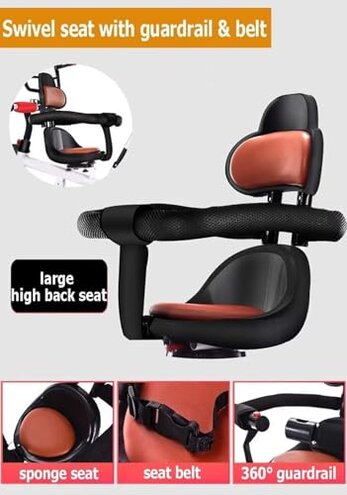
- Expectation (reasonable for this category) is parent handle steering that guides easily on sidewalks.
- Reality can be a more hands-on push experience, with repeated drift and correction during turns.
| What you expect | What some buyers report |
|---|---|
| Quick build with minor adjustments | Rebuild moments after first assembly to chase stability |
| Secure stops without thinking about it | Extra checking on slopes or uneven ground |
Safer alternatives
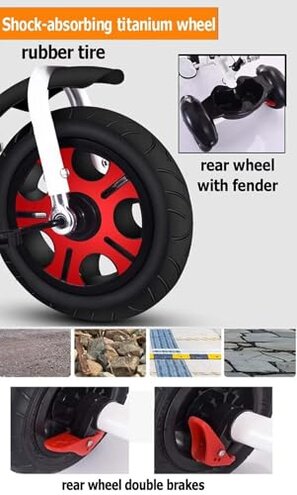
- Prioritize models known for solid parent-steer linkages to reduce the drift complaint during walks.
- Choose simpler mode designs if you will not use reversibility often, so you avoid feature friction and re-alignment.
- Look for clear, step-by-step assembly aids and fewer adjustment points to cut the re-assembly loop.
- Test for parking confidence by checking brake hold on slight inclines, addressing the second-guessing risk.
The bottom line
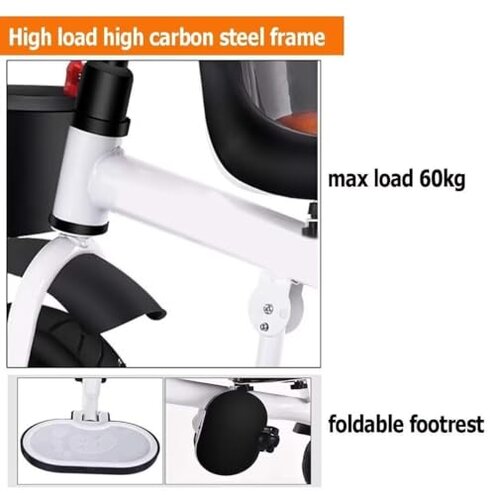
Main regret is steering and stability that can feel fussy during real walks, which is among the most commonly reported frustrations.
Why it exceeds normal category risk is the combination of steering annoyance plus the extra tuning burden after setup.
Verdict: If you want predictable, low-effort pushing at this price, this is a sensible avoid unless you are comfortable troubleshooting.
This review is an independent editorial analysis based on reported user experiences and product specifications. NegReview.com does not sell products.