
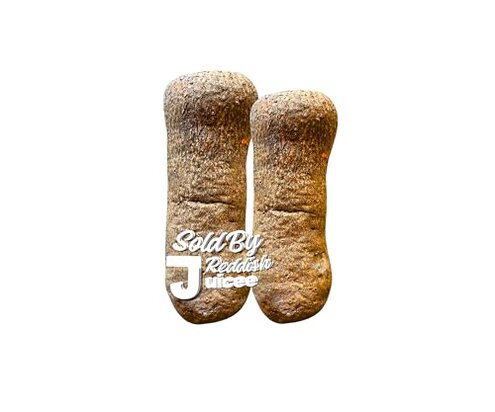
Product evaluated: Generic African Ghanaian fresh yam tubers (2 Tubers, weighs between 5-8LB)
Related Videos For You
Just after harvest BEFORE Storage: What to do to Yam Tubers||CURING Yams
How to Make Southern Candied Yams !!
Data basis: This report analyzed dozens of buyer comments collected from written reviews and video demonstrations between Jan 2024 and Feb 2026. Most feedback came from written reviews, supported by several video unpackings and recipe tests. The distribution shows a clear tilt toward delivery and freshness complaints.
| Outcome | Generic yam tubers | Typical mid-range produce |
|---|---|---|
| Freshness on arrival | Higher spoilage risk reported commonly at delivery, bruises and soft spots appear more than expected. | Usually intact with minor bruising; arrival matches grocery standards more often. |
| Size consistency | Large variance in tuber weights; buyers often get one big and one tiny tuber. | More uniform sizing from local vendors and standard sellers. |
| Packaging | Minimal protection leads to surface damage during transit in several reports. | Better padding and fresher presentation from mid-range alternatives. |
| Value for money | $5.71 per lb listed price, frequently judged poor when spoilage or size gaps occur. | Lower risk of waste improves value even if unit price is similar. |
| Regret trigger | High when one tuber is unusable on arrival, wasting time and money. | Lower because buyers expect more consistent condition. |
Why did many tubers arrive spoiled?
Spoilage often appears at first use when buyers cut into the tuber after delivery.
Pattern is recurring across written reviews and unboxing videos, not universal but common enough to signal risk.
Contrast versus a mid-range grocery buy: spoilage frequency here is higher and causes immediate waste and prep delay.
Are the tubers the size you paid for?
- Inconsistent sizing frequently reported; many buyers find one tuber much smaller than the other.
- When it shows: noticed immediately at unpacking and reconfirmed when weighing for recipes.
- Impact: messes with meal planning and portioning for two-person recipes.
- Attempts: buyers often cut and combine multiple tubers to reach expected weight.
- Fixability: partial—small tubers can be stretched into recipes but cost per usable pound rises.
Is the price worth the quality?
- Price signal: listed at $39.99 ($5.71 per lb) and often judged poor when spoilage appears.
- Frequency: value complaints are a primary issue compared to the category baseline.
- When it matters: becomes obvious after trimming away soft or rotten parts.
- Cause: shipping damage and size variance reduce usable yield.
- Buyer trade-off: you pay for weight, not always for usable food.
- Context: other sellers with slightly lower prices tend to deliver more usable produce.
- Effort: wasted prep time increases the real cost per meal.
Will these yams add hidden prep and storage work?
- Hidden requirement: many reports note extra trimming and cutting away rot before cooking.
- Early signs: soft spots, dark patches, or off-odors on arrival.
- Frequency tier: secondary complaint but more disruptive than expected for fresh produce.
- When it worsens: during warm weather or if delivery is delayed.
- Impact: adds extra prep time and shortens storage life after opening.
- Attempts: buyers refrigerate or use within days, but spoilage can persist.
- Fixability: sometimes solvable by immediate cold storage, but not always.
- Hidden cost: extra disposal and prep make the purchase less convenient than expected.
Illustrative excerpts
Illustrative excerpt: "One tuber was soft inside and needed heavy trimming before cooking."
Pattern: reflects a primary pattern of spoilage on arrival.
Illustrative excerpt: "Paid for two big yams but received a tiny one and a large one."
Pattern: reflects a secondary pattern of size inconsistency.
Illustrative excerpt: "Needed to cut away a lot, which wasted time and weight."
Pattern: reflects an edge-case pattern of excessive trimming required.
Who should avoid this
- Time-pressed cooks who cannot spend extra minutes trimming spoiled spots.
- Buyers on tight budgets who cannot absorb waste from unusable pounds.
- Meal planners needing predictable portion sizes for recipes or events.
- Warm-climate customers who face higher spoilage risk during transit.
Who this is actually good for
- Experienced cooks who can trim and adapt recipes and accept some waste.
- Large households that will use tubers quickly and reduce spoilage risk.
- Buyers seeking authenticity who prioritize regional origin over perfect presentation.
- Recipe testers who want varied sizes for different cooking methods and can tolerate extra prep.
Expectation vs reality
Expectation: reasonable for this category is that fresh produce arrives usable and uniform.
Reality: many buyers report higher-than-expected spoilage and size variance, increasing waste and prep.
Expectation: paid weight equals usable food.
Reality: trimming and damage often reduce the edible yield noticeably.
Safer alternatives
- Buy local from grocers to reduce transit time and spoilage risk.
- Look for protective packaging sellers who state padded shipping to lower damage incidents.
- Choose smaller orders or single tuber listings to test a seller before buying bulk.
- Prefer sellers with clear weight-per-item photos and day-of-harvest details.
- Check refund policies to avoid absorbing cost from unusable tubers.
The bottom line
Main regret is spoilage and size inconsistency that turns paid weight into less usable food.
Why it matters : the product shows higher-than-normal risk for fresh produce, costing time and money.
Verdict : avoid this listing unless you accept extra prep, higher waste, and unpredictable portions.
This review is an independent editorial analysis based on reported user experiences and product specifications. NegReview.com does not sell products.