
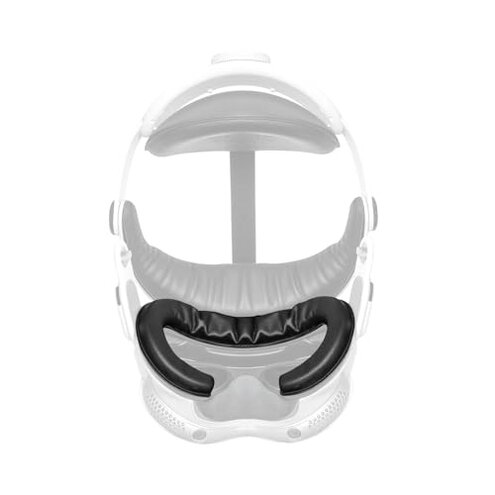
Product evaluated: Globular Cluster FPA1 Facial Pads Kit Compatible with Apple Vision Pro
Related Videos For You
AMVR Face Cover Pad Facial Interface - Meta/Oculus Quest 3 Replacement for Quest 3 Unboxing & Setup
Oculus Quest Facial Interface Hygiene Maintenance
Data basis: Dozens of written reviews and a handful of video demonstrations were analyzed between Jan 2024 and Feb 2026. Most feedback came from written reviews, supported by video demonstrations, giving a mixed but consistent signal.
| Outcome | Globular Cluster FPA1 | Typical mid-range alternative |
|---|---|---|
| Comfort / Fit | Inconsistent fit; commonly reported pressure points and gaps with certain face shapes. | More uniform; mid-range pads usually offer predictable fit across face shapes. |
| Cleaning & upkeep | High maintenance; reusable pads collect oil and need frequent cleaning or replacement. | Lower upkeep; many mid-range options use easy-clean foam or replaceable covers. |
| Attachment reliability | Sticky/magnetic issues; adhesives and magnets reported to fail after repeated use. | Stable mounts; alternatives use sturdier snaps or built-in mounts. |
| Longevity risk | Higher-than-normal risk; wear and adhesive loss appears repeatedly within weeks for some users. | Typical longevity; mid-range kits usually last longer under daily use. |
| Regret trigger | Frequent replacement and extra cleaning time cause buyer regret. | Lower regret; predictable performance reduces maintenance surprises. |
Top failures
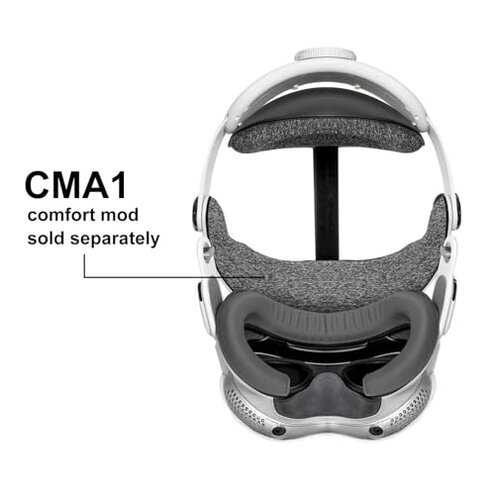
Why does the kit feel unreliable during daily wear?
Regret moment: Users report pads shifting or creating pressure points within the first few uses, making long sessions uncomfortable.
Pattern: This is a recurring complaint seen across written reviews and videos; it is commonly reported rather than universal.
Usage anchor: The problem appears during first use and often worsens during long sessions or when lenses are inserted.
Category contrast: This is worse than expected because most mid-range pads trade comfort for slight fit adjustments, while this kit often requires swapping pads repeatedly.
Why do attachments fail or require constant fiddling?
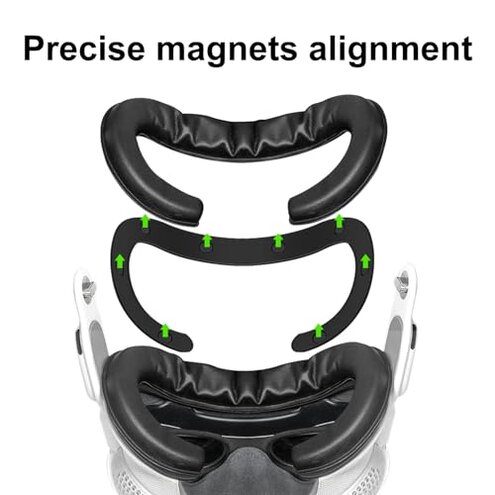
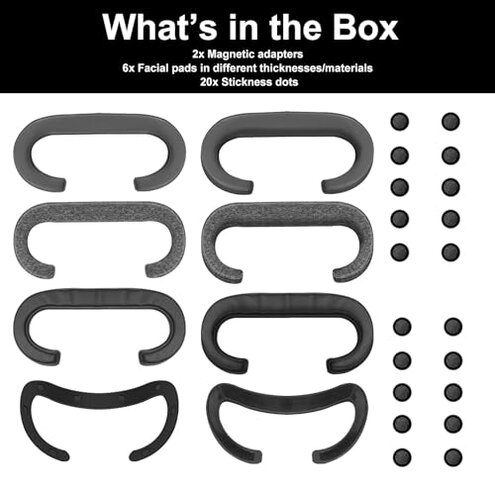
- Attachment breakdown: Sticky dots and magnetic adapters frequently lose grip after daily handling, a persistent pattern.
- When it shows: Problems appear after setup and increase with repeated removal and cleaning.
- Cause: Users report adhesive residue on pads and weak magnetic mating as leading causes.
- Impact: This forces extra steps during every swap, increasing time and frustration.
- Fixability: Some buyers temporarily fix it with aftermarket adhesives, but that adds hidden cost and effort.
Why does upkeep feel heavier than advertised?
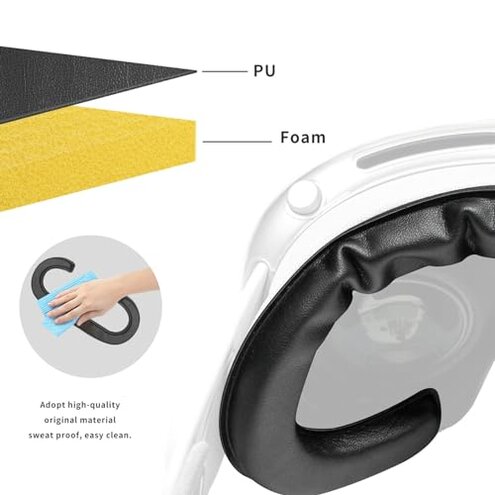
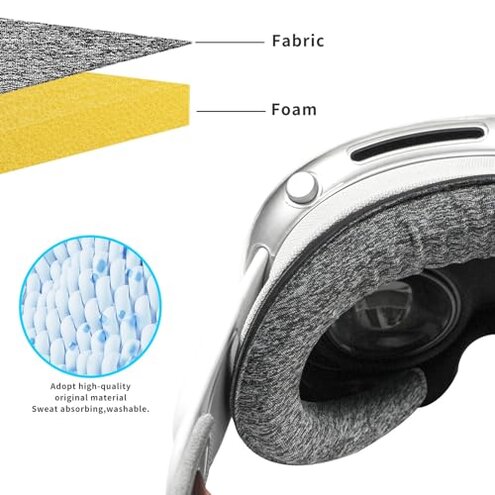
- Early sign: Pads show obvious sweat and oil residue after a few uses, commonly reported across feedback.
- Frequency tier: This is a secondary issue that becomes primary for heavy daily users.
- Cause: Material choices and thin adhesive layers trap oils faster than expected.
- Impact: Requires frequent washing or replacement, adding time to device care.
- Attempts: Buyers report multiple cleaning cycles to restore appearance, then re-soiling resumes.
- Hidden requirement: Users need to keep spare adhesive dots and replacement pads on hand for continuous use.
- Category contrast: More upkeep than most mid-range alternatives, where covers are easier to swap or clean.
Why is fit variability so confusing across face shapes?
- Mismatch pattern: Some face shapes get a snug fit, while others see gaps; this appears repeatedly in reviews.
- When it matters: The issue emerges during initial fitting and after lens inserts or glasses are used.
- Severity: For many buyers this is among the most common complaints and directly affects headset usability.
- Cause: Two thickness options are helpful but don't cover all nose bridges and cheek contours.
- Impact: Poor seal can lead to light leakage or unstable optics during use.
- Attempts: Buyers try mixing pad materials and thicknesses, increasing trial-and-error time.
- Fixability: Some users succeed after buying third-party replacements, which adds cost.
- Category contrast: This is less forgiving than typical pads, which often include more shape options or contouring.
Illustrative excerpts (not real quotes)
Excerpt: "Pads slipped after an hour and left a sore nose bridge." — Primary pattern
Excerpt: "Sticky dots failed after three reattachments, needed stronger glue." — Secondary pattern
Excerpt: "Material stained quickly despite light use, looked unclean." — Primary pattern
Excerpt: "Worked for a week then magnets misaligned, surprising." — Secondary pattern
Who should avoid this
- Heavy daily users: Avoid if you use the headset for long daily sessions since upkeep and swaps become frequent.
- Allergy/skin-sensitive users: Avoid if you can’t tolerate repeated cleaning or adhesive residue on skin.
- Minimal-fuss buyers: Avoid if you expect out-of-the-box stability with minimal adjustments.
Who this is actually good for
- Casual users: Good if you use the headset occasionally and can clean pads between sessions; you will tolerate extra upkeep.
- Experimenters: Good if you like testing pad materials and adhesives, and accept trial-and-error to find a fit.
- Budget-minded buyers: Good if you accept more maintenance to save compared with premium, lower-maintenance alternatives.
Expectation vs reality
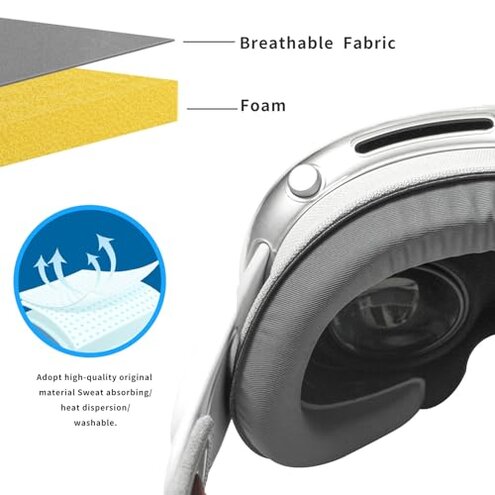
- Expectation (reasonable): Pads should deliver improved comfort over stock facial interfaces.
- Reality: Comfort improvement is inconsistent and often requires swapping pads to reach comfort.
- Expectation (reasonable): Magnetic or adhesive adapters should hold through repeated removal.
- Reality: Adhesives and magnets often need replacement or stronger aftermarket fixes.
Safer alternatives
- Choose replaceable covers: Look for pads with easy snap-on covers to reduce adhesive failure and cleaning time.
- Prefer integrated mounts: Pick options with built-in attachment systems rather than sticky dots to avoid repeated refittings.
- Buy spares: If you still buy this kit, keep extra adhesive dots and one spare pad set to avoid downtime.
- Check material reviews: Prioritize pads reviewed for sweat resistance if you run long sessions or live in warm climates.
The bottom line
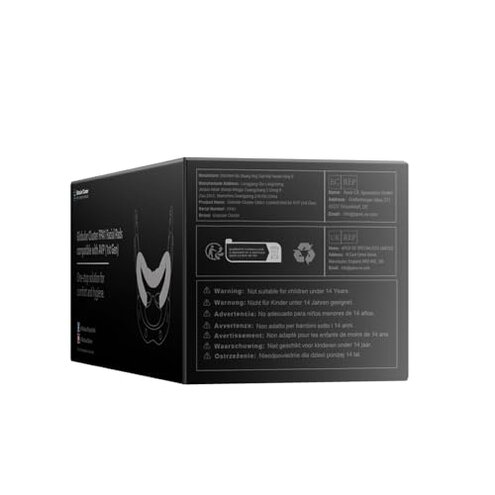
Main regret trigger: Frequent attachment and fit failures cause extra maintenance and session disruption.
Why it exceeds normal risk: Wear, adhesive loss, and fit inconsistency appear repeatedly and sooner than typical mid-range kits.
Verdict: Avoid this kit if you want reliable, low-maintenance facial pads; buy only if you accept ongoing upkeep and possible aftermarket fixes.
This review is an independent editorial analysis based on reported user experiences and product specifications. NegReview.com does not sell products.