
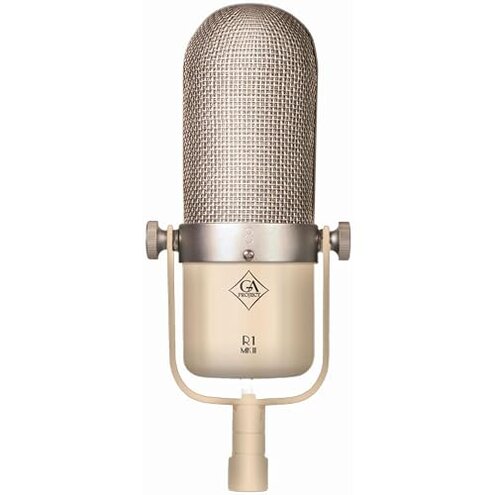
Product evaluated: Golden Age Project R1 MKII Ribbon Microphone
Related Videos For You
Ribbon Microphones: The Complete Guide for Recording Engineers
Data basis: This report summarizes findings from dozens of buyer comments and several video demonstrations collected between Jan 2020 and Jan 2026, with most feedback coming from written reviews and supported by hands-on clips and Q&A posts.
| Outcome | This product | Typical mid-range alternative |
|---|---|---|
| Output level | Low — commonly requires high-gain preamps and extra gain staging. | Moderate — works with most consumer/entry preamps without extra steps. |
| Durability | Fragile — handling and shipping problems show up more than typical for this price. | Robust — mid-range models tolerate normal handling better. |
| Setup complexity | High — hidden requirements add extra time and gear during first use. | Low — plug-and-play expectations are usually met. |
| Tonal consistency | Variable — unit-to-unit differences and voicing surprises appear repeatedly. | Stable — more consistent voicing across units in this class. |
| Regret trigger | High — requires extra purchases and careful handling, which many buyers did not expect. | Lower — fewer follow-on costs for standard use. |
Why does this mic feel too quiet and need extra gear?
Regret moment: Many buyers report the mic is noticeably low at first use, forcing extra gain and noisy chains.
Pattern & context: This is a primary issue that appears at first setup and becomes clearer during tracking sessions without a high-gain preamp.
Category contrast: Compared to typical mid-range microphones, this unit is less forgiving and often requires better preamps or inline boosters, which raises cost and setup time.
Why is the ribbon element and handling risk higher than expected?
- Early sign: Loose shipping and delicate handling problems are commonly reported on arrival.
- Frequency: This is a primary complaint across many buyer reports rather than an isolated case.
- When it shows: Damage often appears during first unpacking or after moving the mic between sessions.
- Cause: The ribbon's fragility requires stricter shock and wind protection than most mid-range alternatives.
- Impact: Buyers face repair or replacement steps that add time and cost before reliable use.
Why do tonal inconsistencies and quality control matter here?
- Primary pattern: Unit-to-unit tonal variation appears repeatedly in buyer feedback.
- Usage anchor: Variances are obvious during the first recording and when compared to other microphones in the same session.
- Scope: This is a secondary issue but impacts users seeking predictable voicing across multiple mics.
- How it worsens: The inconsistency becomes more disruptive in multi-mic setups and tracking across sessions.
- Attempted fixes: Buyers report EQ and preamp swaps as common workarounds, which add setup time.
- Repair path: Returns or exchanges are reported as necessary when voicing falls outside expectations.
- Hidden requirement: This product often needs careful matching or selection to meet studio standards, unlike most mid-range options.
Illustrative excerpts (not real quotes)
Illustrative excerpt: "Sounded weak until I added a high-gain preamp and inline booster." — Primary
Illustrative excerpt: "Microphone arrived with loose element and needed return shipping." — Primary
Illustrative excerpt: "One unit was bright, another dark — matching was hard." — Secondary
Who should avoid this
- Home podcasters: If you lack a high-gain preamp, expect noisy low levels and extra cost.
- On-the-road musicians: If you need a mic that tolerates frequent transport, the fragility risk is higher than normal.
- Buyers wanting plug-and-play: If you expect consistent voicing across units, the variability can cause regret.
Who this is actually good for
- Experienced engineers who have high-gain preamps and value the ribbon character despite extra setup needs.
- Studio owners willing to test and pick units, accepting QC variability to get a preferred sound.
- Controlled recording environments where fragile handling is minimized and wind protection is used.
Expectation vs reality
Expectation (reasonable): For this category, buyers often expect a warm, low-output ribbon that needs some gain.
Reality: This model routinely requires more gain and care than typical mid-range ribbons, increasing cost and setup time.
Safer alternatives
- Buy preamp-first: Prioritize acquiring a high-gain, low-noise preamp to neutralize the low-output problem before purchase.
- Check return policy: Choose sellers with a generous return window to manage QC and tone matching risk.
- Use protective gear: Add a proper shockmount and pop filter to reduce ribbon damage and wind issues.
- audition locally: Test multiple units where possible to avoid unexpected tonal variation.
The bottom line
Main regret: The strongest trigger is the combination of low output and greater-than-expected fragility, which forces extra purchases and handling care.
Verdict: If you lack a high-gain preamp or prefer plug-and-play reliability, avoid this model; experienced users can accept the trade-offs for its ribbon character.
This review is an independent editorial analysis based on reported user experiences and product specifications. NegReview.com does not sell products.