
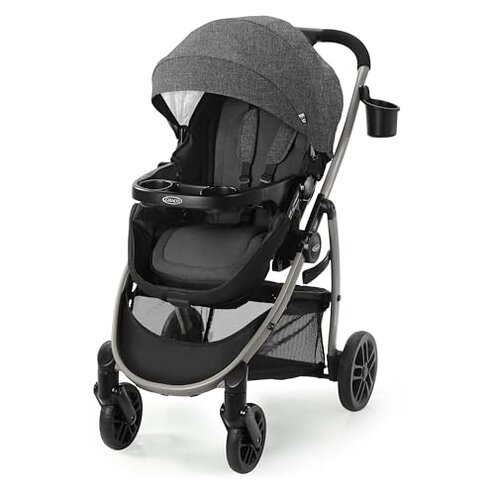
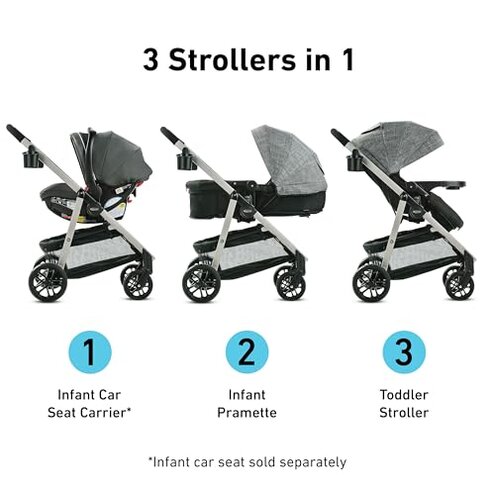
Product evaluated: Graco Redmond Modes Pramette Stroller, 3-in-1 Convertible: Car Seat Carrier, Infant Pramette to Toddler Stroller with Reversible Seat and One-hand Fold
Related Videos For You
Babyhug Comfy Ride Stroller
Safety 1st Step & Go stroller instruction video
Data basis: This report summarizes findings from dozens of written reviews and several video demonstrations collected between January 2021 and December 2025. Most feedback came from written buyers, supported by short videos and photo reports. The distribution shows a clear majority of hands-on user reports.
| Outcome | Graco Redmond | Typical Mid-range Stroller |
|---|---|---|
| Maneuverability | Often stiff on tight turns and rough sidewalks, feels heavier than peers. | Generally smoother handling with easier steering in urban use. |
| Folding & storage | Reported difficult fold despite one-hand claim; can need two hands or strength. | Usually compact one-hand folds and lighter weight for most models. |
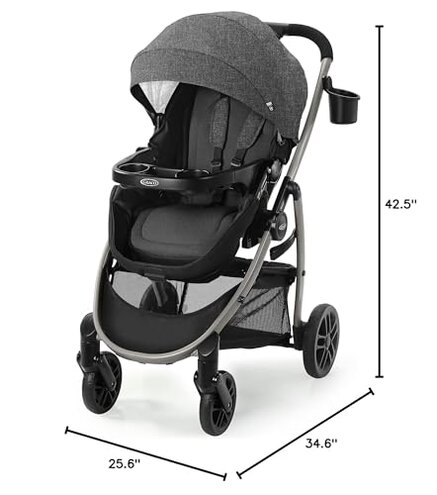
| Weight | Heavier build increases effort lifting into trunks and up stairs. | Lighter designs reduce strain and are easier for daily transport. |
| Durability & upkeep | Maintenance needed for wheels and joints after weeks of use in many reports. | Lower upkeep expected from well-tuned mid-range alternatives. |
| Regret trigger | High — folding difficulty combined with weight is more disruptive than category norms. | Lower — easier daily use reduces buyer regret in this category. |
Top failures
Why is folding still a problem when it promises one-hand use?
Regret moment: Buyers report the fold is hard to operate at first use and often requires two hands.
Pattern: This is among the most common complaints, reported repeatedly across written and video posts.
When it appears: Typically shows up during the first setup or first few outings and worsens with daily use and heavier cargo.
Category contrast: Folding difficulty here is worse than expected compared with most mid-range strollers, which usually fold compactly with one hand.
Why does steering feel heavy and awkward?
- Early sign: Push feels heavier than expected on sidewalks and in stores.
- Frequency tier: This is a primary issue for city and apartment parents who steer tight spaces frequently.
- Cause: Heavier frame and wheel alignment often cause stiff turns and reduction in agility.
- Impact: Long errands or multi-hour walks increase arm fatigue and frustration.
- Attempts: Users try wheel cleaning and tightening, but reports say the improvement is partial.
Why do parts need attention sooner than expected?
- Hidden requirement: The stroller often needs periodic tightening and wheel maintenance soon after first weeks of use.
- Scope signal: This is a secondary issue seen across multiple buyers over months of use.
- When it appears: Problems start after repeated use, especially on rough terrain.
- Why worse: Most mid-range strollers need less frequent upkeep, so this creates extra chores for parents.
- Fixability: Basic tools help, but maintenance adds time and effort parents might not expect.
- Hidden cost: Replacement parts or service trips are an added expense for long-term ownership.
Why might seat comfort and canopy be disappointing?
- Early sign: Some children show limited recline comfort on longer rides.
- Frequency tier: This is a secondary complaint for parents with infants needing frequent naps.
- Cause: Reversible seat mechanism can be fiddly to adjust while on the go.
- Impact: Longer outings can become restless for both parent and child.
- Attempts: Users remove tray or adjust recline frequently, reporting partial relief.
- Category contrast: This feels less forgiving than typical mid-range models with smoother recline systems.
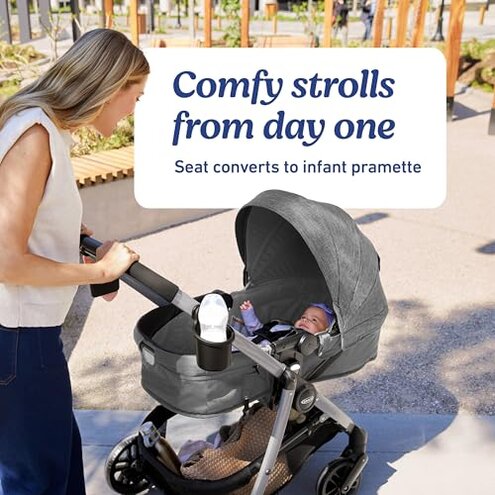
- Hidden trade-off: The reversible seat adds versatility but increases setup friction and potential fussiness.
Why is the overall weight a daily burden?
- Early sign: Buyers note an immediate heft when lifting into cars or carrying up stairs.
- Frequency tier: This is a primary issue for anyone who transports the stroller regularly.
- When it worsens: Weight becomes more problematic during multi-step travel like public transit or flights.
- Cause: Full-size features add mass, producing extra effort compared with lightweight alternatives.
- Impact: It increases physical strain and limits spontaneous use for parents.
- Fixability: No simple user fix; requires swapping to a lighter model to remove the problem.
- Category contrast: Heft here is higher-than-normal for mid-range strollers aimed at everyday convenience.
- Hidden requirement: You may need a larger trunk or routine assistance to move the stroller comfortably.
Illustrative excerpts (not real quotes)
"Folding felt impossible with one hand; required two people often." — primary pattern
"Wheels needed tightening after several weeks of sidewalk use." — secondary pattern
"Too heavy to lift up apartment stairs without help." — primary pattern
"Seat adjusts but my baby seemed less comfortable on long trips." — secondary pattern
Who should avoid this
- City parents who carry often: If you need frequent lifting for trains or stairs, the weight and fold issues exceed category tolerance.
- Single-handed operators: If you rely on one-hand folding while holding a child, this model is riskier than alternatives.
- Low-maintenance buyers: If you expect minimal upkeep, recurring tightening and wheel checks are a dealbreaker.
Who this is actually good for
- Car-first families: If you mostly drive and store the stroller in a big trunk, weight and folding friction matter less.
- Budget-conscious buyers: If you accept more upkeep to get versatile features at a lower price, this can work.
- Occasional walkers: If outings are short and rare, the maneuverability issues are tolerable.
Expectation vs reality
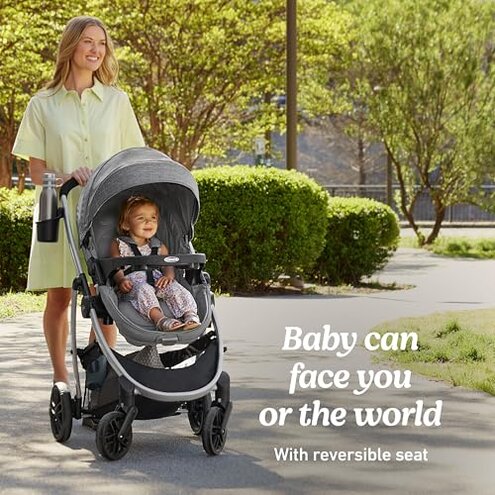
Expectation: A mid-range stroller should fold easily with one hand.
Reality: This model often requires two hands or strength, making quick transitions harder.
Expectation: Strollers in this bracket need only minor maintenance.
Reality: Owners report frequent tightening and wheel checks within weeks, raising upkeep time.
Safer alternatives
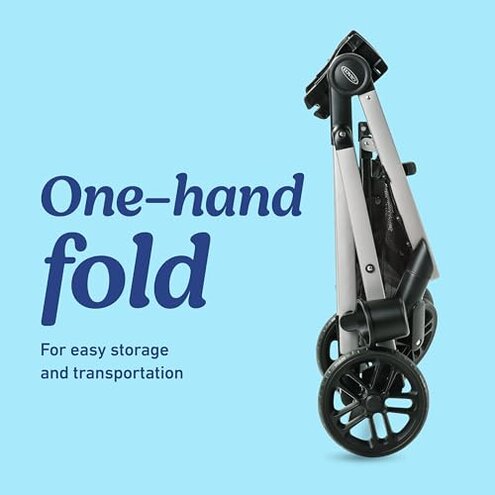
- Test the fold in-store: Try a live one-hand fold to confirm actual ease before buying to avoid fold surprises.
- Choose lightweight models: Select strollers marketed for travel weight if lifting is frequent.
- Check maintenance reviews: Prefer models with low upkeep reports to avoid early tightening and repairs.
- Prioritize smooth steering: Look for customer notes on wheel alignment if you walk long distances daily.
The bottom line
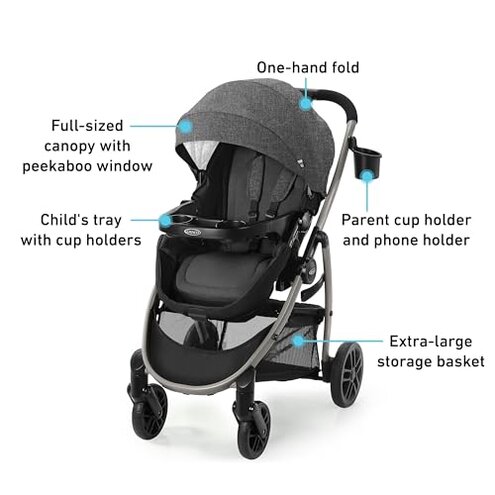
Main regret: The combined impact of a difficult fold and heavy weight creates the strongest buyer complaints.
Why it matters: These issues are more disruptive than typical mid-range strollers, especially for daily urban use.
Verdict: Avoid this model if you need easy one-hand folding, low maintenance, or frequent carrying.
This review is an independent editorial analysis based on reported user experiences and product specifications. NegReview.com does not sell products.