
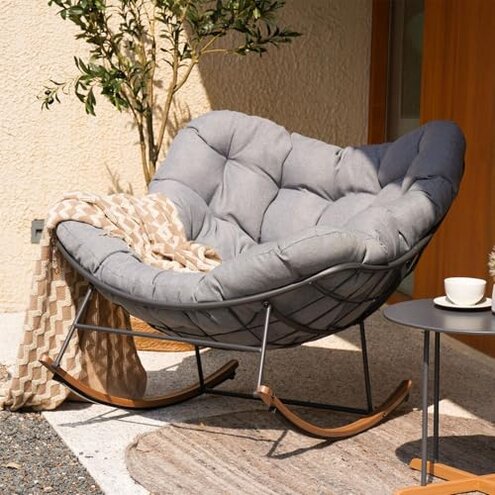
Product evaluated: Grand patio Outdoor Rocking Chair, E-Coated Modern Cozy Lounge Rocker Chair with Cushion for Balcony Porch Patio, Gray
Related Videos For You
POLYWOOD® R100 Presidential Rocking Chair Assembly Video
How to Clean Outdoor Cushions
Data basis: This report synthesizes dozens of buyer submissions collected from written ratings and photo/video-style feedback, spanning 2023 through early 2026. Most of the usable detail came from longer written notes, with supporting visual posts used to confirm common pain points that show up after setup and during daily use.
| Buyer outcome | Grand patio rocker | Typical mid-range rocker |
|---|---|---|
| Stability feel | Higher risk of wobble or uneven rocking after assembly | Lower risk if parts align predictably |
| Assembly experience | More fiddly alignment and re-tightening steps than expected | More straightforward bolt-up with fewer do-overs |
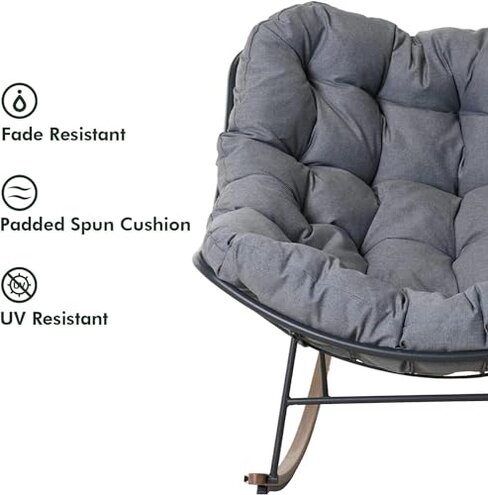
| Outdoor upkeep | More upkeep if cushion gets wet or stays outside | Moderate upkeep with faster dry or easier covers |
| Comfort consistency | Mixed for long sits due to cushion shifting or pressure spots | More predictable support for average-size adults |
| Regret trigger | “Looks great, but feels off” once you actually rock | “Not perfect, but works” once assembled |
Why does it feel wobbly or “off” once you sit and rock?
Regret moment: you finally assemble it, sit down, and the rocker feels uneven instead of smooth.
Severity: this is among the most disruptive complaints because it changes the basic purpose of a rocking chair.
Pattern: this issue appears repeatedly, but it is not universal across every buyer.
- When it hits: it shows up right after setup or the first longer sitting session.
- Worse conditions: it feels worse with frequent rocking and on slightly uneven porch or patio surfaces.
- Category contrast: most mid-range rockers may creak, but they still feel even and predictable when you lean back.
- Likely driver: recurring notes point to alignment sensitivity during assembly, where small bolt-tightening order changes the feel.
- Fix attempts: buyers often report extra re-tightening cycles and repositioning the base before it feels acceptable.
- Hidden requirement: you may need floor leveling (pads or careful placement) to avoid the “one side dips” feeling.
- Fixability: some users improve it, but the frustration is the extra time and trial-and-error.
Illustrative: “It rocks, but it doesn’t feel centered when I lean back.” Primary pattern reflecting stability complaints.
Is the assembly really “easy,” or does it turn into a redo?
Regret moment: you expect a quick build, but end up loosening bolts and re-aligning parts to make holes line up.
Severity: this is a primary pain point because it adds extra steps before you can even test comfort.
Pattern: the frustration is commonly reported, especially among buyers assembling solo.
- When it hits: it tends to surface during assembly, before the chair ever touches the patio.
- Time drift: even if the box promises fast setup, real-world reports describe longer tinkering than expected.
- Alignment snag: repeated mentions point to tight tolerances where starting all bolts loosely matters.
- Tool friction: buyers describe needing better hand tools than whatever is included to reduce stripping risk.
- Two-person advantage: it becomes easier with help holding the frame while threading bolts.
- Category contrast: many mid-range patio chairs still require assembly, but fewer require rework to get a stable end result.
Illustrative: “The holes were close, but not close enough without forcing it.” Primary pattern reflecting build friction.
Will the cushion stay comfortable for long reading sessions?
Regret moment: it looks plush, then after a longer sit you notice shifting, pressure spots, or a need to constantly reposition.
Severity: this is a secondary issue, but it becomes major if you bought it for daily lounging.
Pattern: comfort complaints are recurring, with wider variation by body size and sitting style.
- When it hits: it shows up after 20–40 minutes of sitting, not always in the first minute.
- Slide tendency: some feedback points to cushion shifting as you rock, which breaks the “nesting” feel.
- Support feel: a portion of buyers describe flattening or uneven support over time.
- Heat factor: longer outdoor sits can feel warmer than expected depending on sun exposure.
- Category contrast: mid-range lounge rockers usually have “good enough” cushions, but here the issue is the consistency from sit to sit.
- Workarounds: owners often add a throw pillow or grippy layer to reduce movement.
- Hidden cost: comfort can require a replacement cushion sooner than you planned.
- Fixability: it is partially fixable, but it adds ongoing fuss for a chair meant to be relaxing.
Illustrative: “Looks cozy, but I keep scooting the cushion back into place.” Secondary pattern reflecting long-sit comfort drift.
Does it handle outdoor life without becoming a maintenance chore?
Regret moment: you leave it on the porch, then realize the cushion needs more attention after dew, pollen, or light rain.
Severity: this is a secondary complaint, but it can become a deal-breaker in wetter climates.
Pattern: this shows up less often than stability and assembly, but it is persistent for outdoor-first buyers.
- When it hits: it appears after weather exposure and repeated in-and-out cushion handling.
- Worse conditions: it is worse with uncovered patios and frequent temperature swings.
- What buyers notice: recurring descriptions mention slower drying and a “needs airing out” routine.
- Category contrast: some patio seating is designed for quick wipe-down, but this setup can demand more babysitting than typical.
- Mitigation: a cover or bringing the cushion inside reduces headaches, but adds daily steps.
Illustrative: “Great on dry days, but I don’t want to keep storing the cushion.” Secondary pattern reflecting upkeep burden.
Who should avoid this
Stability-sensitive buyers should avoid it if any wobble will ruin relaxation, because recurring reports tie comfort to precise setup.
Solo assemblers with limited tools should skip it, since commonly reported alignment fiddling can turn “easy” into extra steps.
Wet-climate porch owners should be cautious, because persistent feedback points to higher cushion handling and drying routines.
Daily loungers should look elsewhere if you need consistent support, since recurring notes mention cushion shifting during longer sits.
Who this is actually good for
Style-first shoppers who want the egg-shaped look and can tolerate some setup tuning, because you are trading convenience for design.
Occasional use porch sitters who rock lightly and store cushions inside, because the upkeep complaint matters less.
DIY-comfort buyers willing to add pillows or a grippy liner, because you can reduce cushion movement with simple add-ons.
Level surfaces homes where placement is easy, because the wobble risk drops when the base sits perfectly flat.
Expectation vs reality
- Expectation: reasonable for this category is basic assembly without redoing steps.
- Reality: recurring feedback suggests more trial-and-error to get a stable rock.
- Expectation: a rocker should feel balanced on the first sit.
- Reality: a primary complaint is an uneven feel that shows up after setup.
- Expectation: outdoor seating should mean low fuss day to day.
- Reality: secondary patterns point to more cushion management than many mid-range alternatives.
Safer alternatives
- Prioritize rockers with repeated mentions of stable base, because it directly reduces the “off-center” regret trigger.
- Choose models praised for easy alignment, because that neutralizes the re-tightening and redo pattern during assembly.
- Look for cushions described as non-slip or secured, because it addresses the long-sit shifting complaint.
- Buy for your climate with a cover plan, because it reduces the wetter-porch maintenance cycle.
- Check for “works on uneven patios” notes, because it lowers the hidden leveling requirement.
The bottom line
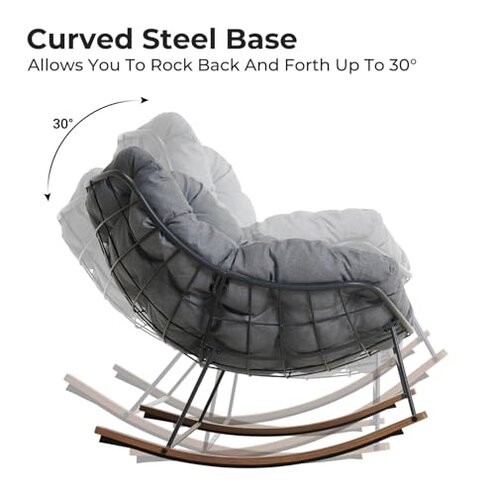
Main regret comes from a chair that can look right but feel unstable once you start rocking.
Category risk is higher than normal because the end result seems more dependent on precise assembly and surface leveling than most mid-range options.
Verdict: avoid it if you want a smooth, predictable rocker with minimal setup and outdoor upkeep.
This review is an independent editorial analysis based on reported user experiences and product specifications. NegReview.com does not sell products.