
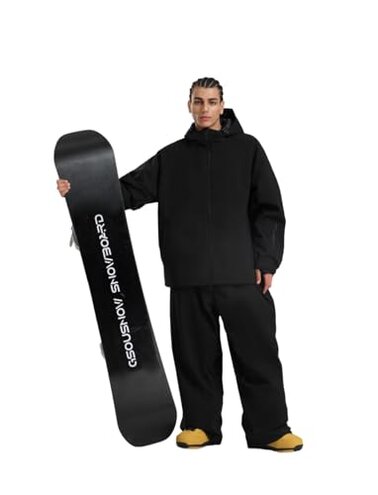
Product evaluated: GSOU SNOW Ski Suit Men Snowboard Jacket and Pants Set Baggy Snow 2 Piece Outfits Waterproof Insulated for Women Winter Sport
Related Videos For You
How To Properly Fit Your Snow Jacket & Pants
The 101: How to Buy a Ski Jacket
Data basis: This report is based on dozens of buyer feedback points collected from written comments and photo or video impressions between 2024 and 2026. Most input came from written reviews, with visual feedback mainly used to confirm how the fit, bulk, and real-world snow use looked outside product photos.
| Buyer outcome | GSOU suit | Typical mid-range alternative |
|---|---|---|
| Size confidence | Higher risk of baggy fit confusion, especially on first try | More predictable fit, even when styled relaxed |
| Layering comfort | Bulkier feel can add drag during long sessions | More balanced warmth-to-mobility trade-off |
| Weather trust | Good on paper, but real comfort depends more on fit and vent use | Usually easier to dial in without as much trial and error |
| Daily convenience | More setup from sizing checks, cuff adjustments, and vent management | Less fiddly for casual riders |
| Regret trigger | Looks right online but feels too oversized or awkward on mountain | Less often bought mainly for style over practical fit |
Does the baggy fit turn into a sizing headache?
Primary issue: This appears to be among the most common complaints. The regret moment usually happens at first try-on, when buyers expect roomy snow gear but get a shape that can feel much larger or less controlled than expected.
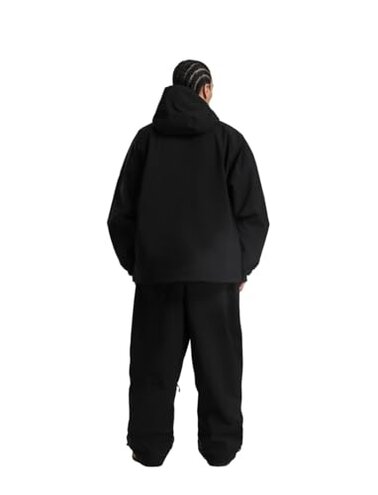
Pattern: The issue is recurring, not universal, and it tends to worsen during active riding when extra fabric starts feeling less stylish and more in the way. Compared with a reasonable mid-range baseline, this looks less forgiving because buyers often need more trial-and-error to land the right size.
- Early sign: If your normal size already fits loose in outerwear, this set may feel oversized fast before you even add base layers.
- When it hits: The problem shows up right after unboxing and becomes more obvious during bending, boot setup, or chairlift movement.
- Why it frustrates: A relaxed cut is expected in snowboard gear, but this seems baggier than many shoppers picture from the listing alone.
- Real impact: Extra bulk can make the suit feel less agile, especially for people who wanted warmth without a streetwear-level oversized look.
- Hidden requirement: Buyers may need to study the size chart carefully instead of relying on normal jacket and pant habits.
- Fixability: Thick layers can fill some space, but that adds extra heat and bulk, which can create a new comfort problem.
Does the warm but bulky feel get tiring on longer days?
- Severity: This is a primary issue because it affects comfort during actual use, not just first impressions.
- Pattern: The bulk complaint appears repeatedly, especially from buyers using the set for longer sessions instead of short casual outings.
- Usage moment: It tends to show up after a few runs, when warmth is still welcome but freedom of movement matters more.
- Trade-off: The suit aims for insulation and a loose style, but some buyers seem to find the mobility penalty more disruptive than expected for this category.
- Category contrast: Mid-range snow sets usually ask for some compromise, yet this one may feel heavier in use because the roomy cut increases perceived bulk.
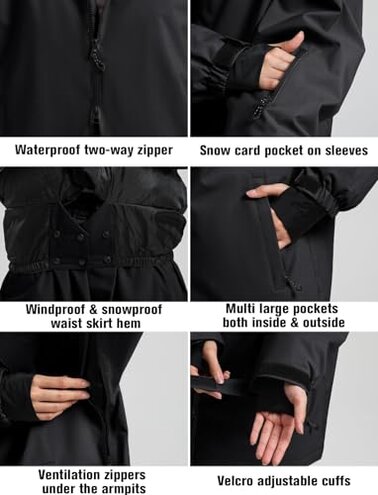
- What buyers try: Opening vents and reducing layers can help, but that means more adjusting through the day than many casual users want.
- Who notices most: Riders who skate-style turns, hike short sections, or move a lot may feel the extra fabric drag more than resort cruisers.
Will the weather protection feel simpler than it really is?
Secondary issue: The suit promises strong snow protection, but the user experience can still feel less automatic than expected. That matters most during variable weather, when comfort depends on fit, cuff closure, hem setup, and vent use working together.
Pattern: This looks persistent but not universal. It feels worse than a typical mid-range option because buyers may expect the stated waterproof numbers to solve comfort on their own, when real-world use still needs more adjustment.
- Early sign: If sleeves, hems, or waist fit loosely, weather control may feel less locked-in than the specs suggest.
- When it worsens: The gap between expectation and reality gets bigger during wet snow, wind, or stop-start riding.
- Root cause: Protective features only help fully when the suit is dialed in correctly, which adds a hidden learning step.
- Practical effect: Buyers wanting a simple throw-on set may find it more hands-on than expected.
- Why regret happens: The suit can sound like a high-confidence storm setup, but casual users may get mixed comfort if they do not fine-tune it.
Is the style-first design a bad buy for practical skiers?
- Frequency tier: This is a secondary issue, less frequent than fit complaints but more frustrating when it clashes with how you actually ride.
- Regret moment: It usually appears after setup and first slope use, when the visual appeal stops mattering and function takes over.
- Pattern: The mismatch is commonly reported by buyers who expected a simple performance set, not a more fashion-forward silhouette.
- Category contrast: Many snow outfits balance look and utility, but this one seems more style-committed than a typical mid-range practical pick.
- Impact: If you prioritize streamlined movement, the outfit may feel too statement-focused for regular resort use.
- Attempted workaround: Sizing down may reduce the visual volume, but then buyers risk compressing layering space.
- Best reading: The design is not automatically bad, but it is less versatile than buyers may assume from the broad all-sport positioning.
Illustrative excerpt: “Looks great standing still, but on the hill it feels huge.” Primary pattern.
Illustrative excerpt: “Warmer than expected, but I kept adjusting vents and cuffs.” Secondary pattern.
Illustrative excerpt: “Not bad quality, just much baggier than I planned for.” Primary pattern.
Illustrative excerpt: “Good for style photos, less ideal for all-day movement.” Secondary pattern.
Who should avoid this
- Avoid it if you want a predictable fit with no sizing guesswork, because this appears less consistent than normal relaxed outerwear.
- Skip it if you dislike bulk management during long days, since comfort may require more vent and layer adjustment than expected.
- Pass if you want a function-first ski set for fast, technical movement rather than a noticeably oversized snowboard look.
- Look elsewhere if you expect claimed protection to feel automatic without checking fit details and closures carefully.
Who this is actually good for
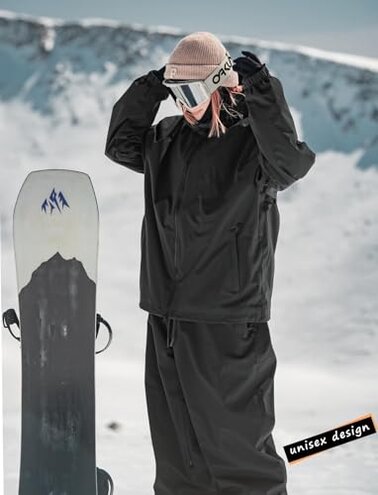
- Good fit for buyers who intentionally want a very baggy style and already understand how oversized snow gear should sit.
- Works better for shorter resort sessions where mobility trade-offs matter less than warmth and appearance.
- Makes sense for people willing to do size-chart homework and accept a little trial-and-error before first use.
- Better choice for style-led snowboard buyers who can tolerate extra bulk to get the visual look they want.
Expectation vs reality
Expectation: A two-piece snow set should feel roomy but manageable in your usual size.
Reality: Here, the roomy cut may feel larger than expected, which creates more fit risk than a reasonable category baseline.
Expectation: Strong weather specs should mean easy comfort in changing conditions.
Reality: Comfort still seems to depend on personal adjustments, especially with vents, cuffs, and how the oversized fit sits.
Expectation: Warmth and style should not cost too much all-day movement.
Reality: The warmth-plus-baggy combo can feel more cumbersome than many mid-range alternatives during longer sessions.
Safer alternatives
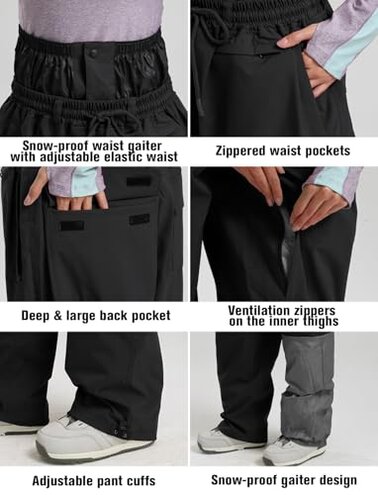
- Prioritize fit guides with buyer height and weight examples to reduce the oversized sizing risk that stands out here.
- Choose a shell-and-layer system if you dislike built-in bulk, because it gives more control over warmth and movement.
- Look for a more tapered cut if you ski more than snowboard, since that better avoids the style-versus-function mismatch.
- Favor easy-adjust features with clear closure photos if you want storm use to feel less hands-on during changing weather.
The bottom line
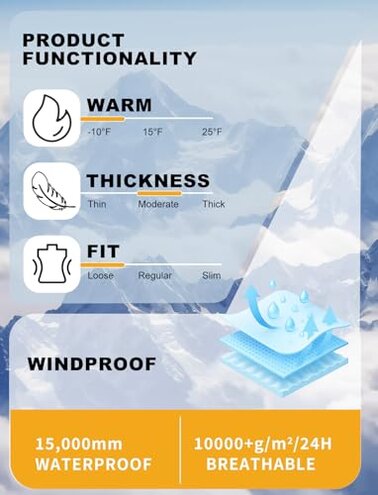
Main risk: The biggest regret trigger is the oversized fit, because it can turn a stylish snow set into a bulky, less agile one on actual runs.
Why caution: That risk feels higher than normal for this category because it affects sizing confidence, movement, and even how well the protection features work in practice.
Verdict: If you are not specifically shopping for a very baggy snowboard look, this is a sensible one to approach carefully or skip.
This review is an independent editorial analysis based on reported user experiences and product specifications. NegReview.com does not sell products.