
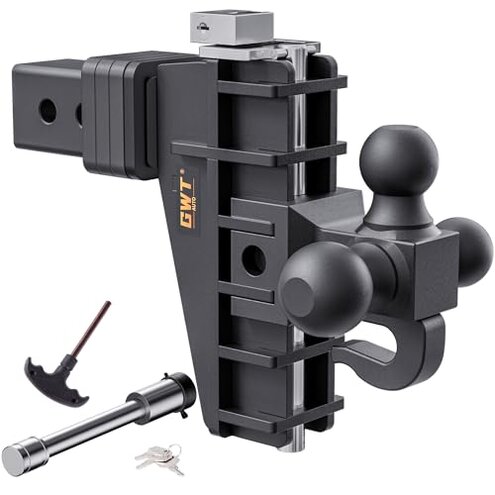
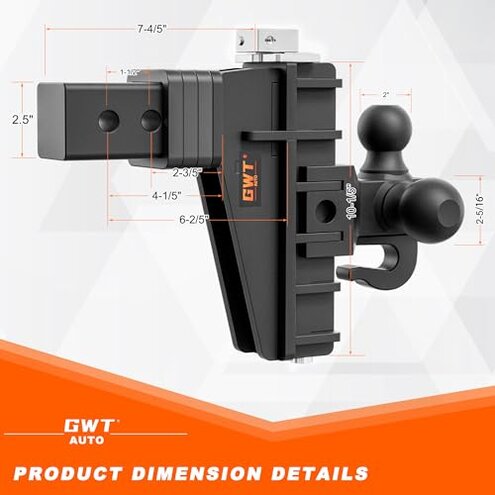
Product evaluated: GWTAUTO Adjustable Trailer Hitch with Hook, Tri-Ball (1-7/8" x 2" x 2-5/16") Drop Hitch, Fits 2.5-Inch Receiver, 6 Inch Drop Hitch, 18500 LBS GTW-Class 3 Tow Hitch for Heavy Duty Truck, Black
Related Videos For You
XPE Adjustable Trailer Hitch Installation & AUTMATCH Hitch Tightener Anti Rattle Stabilizer Install!
Leave the Tri-Ball Hitch attached! #prepper #giantsequoianation #safety #tips #vehicles
Data basis: This report synthesizes dozens of buyer experiences gathered from a mix of written feedback and photo posts, with some short video clips used to show fit and movement. The collection spans a 12-month window ending recently, and most signals came from longer text write-ups, supported by a smaller set of visual demonstrations that made problems easier to verify.
| Buyer outcome | GWTAUTO tri-ball hitch | Typical mid-range alternative |
|---|---|---|
| Fit confidence | Less predictable when matching receiver size and truck height. | More predictable with fewer moving parts and clearer sizing. |
| Noise control | Higher-than-normal risk of rattle despite “anti-rattle” claims. | Lower risk if a simple anti-rattle clamp is added. |
| Daily usability | More fiddly due to rotating tri-ball and screw adjustments. | Simpler hook-up with fixed ball mount choices. |
| Durability feel | Mixed impressions, especially after repeated swapping and weather exposure. | Steadier expectations with fewer interfaces to loosen. |
| Regret trigger | “It still clunks” after setup and retightening before trips. | “It just works” once pinned, with less ongoing tweaking. |
Why does it still clunk even after tightening?
Regret moment hits on the first drive after a careful install when you hear a clank over bumps and feel trailer movement in the seat. The annoyance is more disruptive than buyers expect because the product markets a smoother, quieter ride.
Pattern shows up repeatedly, though it is not universal. It tends to appear during towing on uneven roads, and it can worsen after repeated hook-ups when tolerances loosen.
Category contrast: Some hitch noise is normal, but this feels worse because the design adds more interfaces to settle and re-set than a basic fixed mount.
- Early sign: You notice a small wiggle in the receiver before the trailer is even attached.
- Primary issue: Rattle appears repeatedly after setup, especially on rough pavement.
- Claim gap: The “anti-rattle” idea is less consistent in real use than many mid-range hitches with a separate clamp.
- Time cost: Quieting it can add extra steps before each trip, not just once.
- Fixability: Some buyers reduce noise with more careful tightening, but others report it is never fully gone.
Are you ready for the hidden steps to make it fit right?
- Recurring friction: Fit complaints appear persistently across feedback, even from experienced towers.
- When it hits: The struggle shows up at install time when aligning drop height, ball size, and receiver depth.
- Hidden requirement: You may need to re-check torque and alignment after the first short tow.
- User-visible impact: A slightly off setup can mean tilt, extra play, or hard coupling.
- Category contrast: Mid-range fixed mounts usually need one pin and go, while this can require repeat tuning.
- Tool dependency: If you do not keep the right wrench handy, adjustments become trip-blocking.
- Mitigation: Buyers who measure receiver height and trailer coupler height first report fewer surprises.
Does the rotating tri-ball make hookups slower?
- Secondary issue: Slower hookups are commonly reported by people who swap trailers often.
- When it hits: It shows up in the driveway when you rotate to the needed ball size.
- Awkward moment: The head can feel bulky when lining up the coupler by yourself.
- More decisions: You must confirm the right ball size each time, which adds mental load under time pressure.
- Category contrast: With separate fixed ball mounts, the “right one” is chosen once, and the connection step is more repeatable.
- Workaround: Some owners leave it on one size, which reduces the point of a multi-ball system.
- Who feels it: People towing weekly report more irritation than occasional users because the friction repeats often.
- Trade-off: Convenience can be real, but only if the rotation stays easy and locked without fuss.
Will it stay tight after weather and repeated use?
- Edge-case risk: Long-term “loosening” concerns are less frequent than noise complaints, but more frustrating when they occur.
- When it hits: It tends to show up after repeated swaps between trailers and seasonal exposure.
- What buyers notice: Hardware can feel like it needs re-tightening more often than expected.
- Category contrast: Any hitch benefits from checks, but buyers expect fewer touch points on a mid-range product.
- Trip impact: Extra checks can delay departures, especially when towing in poor light or bad weather.
- Mitigation: People who add a routine pre-tow checklist report fewer surprises, but it adds ongoing effort.
Illustrative excerpt: “I tightened it twice and it still knocks on bumps.”
Pattern note: This reflects a primary pattern tied to ongoing noise after setup.
Illustrative excerpt: “Fit was not plug-and-play; I had to keep adjusting.”
Pattern note: This reflects a primary pattern of install and tuning friction.
Illustrative excerpt: “Switching ball sizes is slower than I thought.”
Pattern note: This reflects a secondary pattern affecting frequent trailer swappers.
Illustrative excerpt: “Works, but I don’t trust it without rechecking everything.”
Pattern note: This reflects an edge-case durability-confidence concern that grows over time.
Who should avoid this
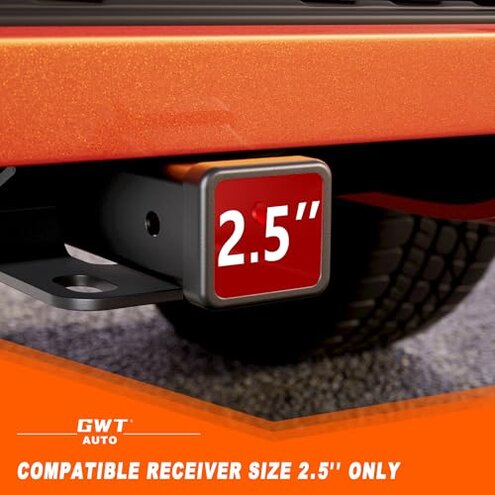
- Noise-sensitive drivers who hate clunks should avoid it because rattle appears repeatedly during towing for many buyers.
- Frequent towers who hook up weekly may regret the extra adjustment steps that show up after setup and reappear over time.
- One-person hookup users may dislike the bulk and rotation steps when aligning couplers alone in a driveway.
- Set-and-forget shoppers should skip it because the hidden requirement is re-checking tightness after early trips.
Who this is actually good for
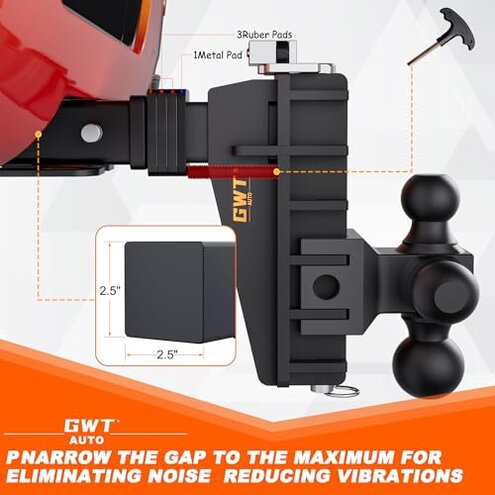
- Multi-trailer owners who accept slower hookups can benefit from having three ball sizes in one, and they tolerate the extra steps.
- Occasional towers who do a pre-tow check anyway may be fine with periodic re-tightening behavior.
- DIY-minded buyers who like tuning fit can manage the setup friction better than most.
- Height-matching shoppers who already measured drop needs may avoid the worst fit surprises.
Expectation vs reality
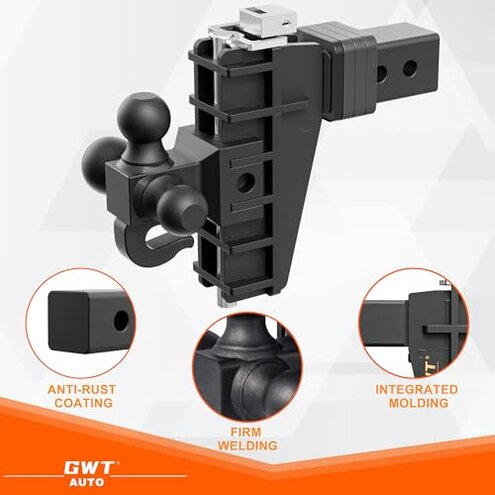
Expectation: A “smoother riding” hitch should reduce the clunking you notice in the cabin.
Reality: Noise control is inconsistent for a meaningful slice of buyers, even after tightening steps.
- Reasonable for this category: You may need a basic anti-rattle add-on for a snug feel.
- Worse than expected: This unit can still demand repeat tuning because more joints can introduce play.
| What you plan | What can happen |
|---|---|
| Quick install before a trip | Extra steps to align and tighten, plus a re-check after first tow |
| Swap trailers without thinking | Slower hookups due to ball rotation and verification |
Safer alternatives
- Reduce rattle: Choose a simpler fixed ball mount and add a dedicated anti-rattle clamp to address the primary clunk complaint.
- Improve fit: Prefer listings that clearly match your receiver size and include clear sizing guidance to avoid install-time surprises.
- Save time: If you swap trailers often, consider keeping separate fixed mounts for each ball size to avoid rotation steps.
- Lower upkeep: Look for designs with fewer adjustment interfaces, since the repeated-tuning issue is more frequent here than expected.
- Boost confidence: Pick options with stronger buyer-confirmed consistency on quiet towing, not just marketing claims.
The bottom line
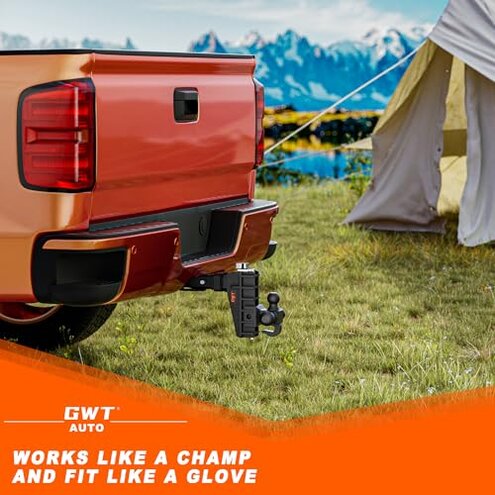
Main regret is persistent clunking and movement that can show up during towing even after careful tightening. That risk feels higher-than-normal for this category because the design adds adjustment points that can demand repeat tuning. If you want quiet, plug-and-play towing, this is a product to avoid.
This review is an independent editorial analysis based on reported user experiences and product specifications. NegReview.com does not sell products.