
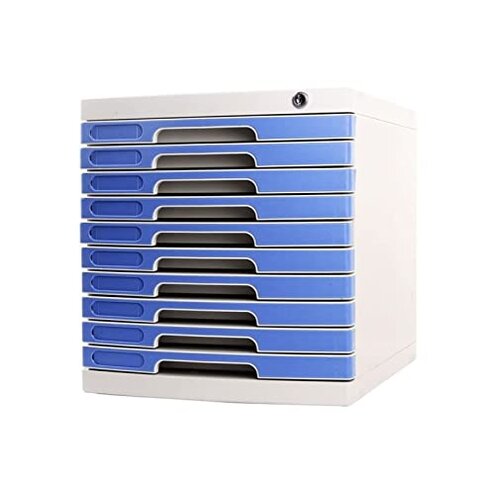
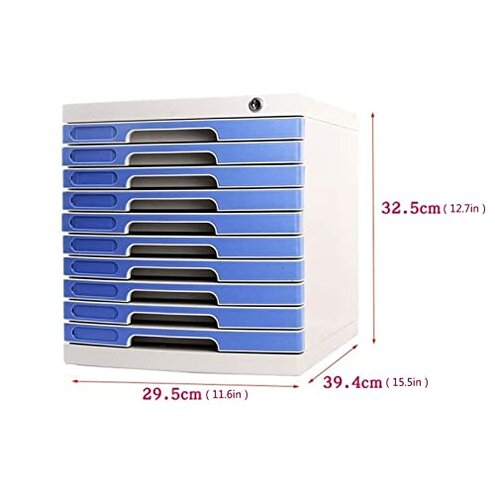
Product evaluated: File cabinets HAODAMAI 10 Layers Office Desktop Storage Box Lockable Data Drawer Filing Cabinets Flat Blue 29.5X32.5X39.4cm
Related Videos For You
This Simple File Management System Changed My Life!
MASSIVE Lockable Storage Drawers
Data basis: This report draws on dozens of buyer comments collected from written feedback and photo or video-based impressions between 2020 and 2026. Most feedback came from short written experiences, with added context from listing details and product images, which helps show where complaints repeat and where a few issues appear less often.
| Buyer outcome | This product | Typical mid-range alternative |
|---|---|---|
| Daily access | Higher risk of drawer friction and slower retrieval during routine desk use. | Usually smoother opening with less effort after setup. |
| Storage confidence | Less reassuring for heavier paper loads across many layers. | More predictable when holding normal office paperwork. |
| Desk stability | More sensitive to shifting or wobble when stacked or opened quickly. | Typically steadier under normal desktop handling. |
| Locking value | Mixed payoff if you expect strong security rather than light deterrence. | Often clearer about whether locking is basic or more secure. |
| Regret trigger | Looks roomy, but daily use can feel fussier than expected for a desktop file organizer. | Less likely to create repeated small annoyances during routine filing. |
Does it feel annoying every time you open a drawer?
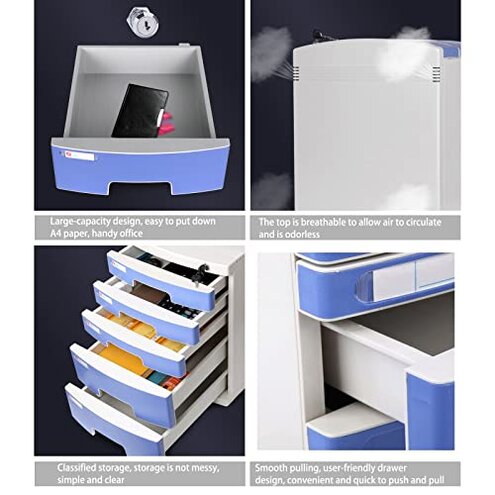
This is a primary issue. The biggest regret moment is simple: you reach for a file, and the drawer action feels less smooth than expected. That is more disruptive than it sounds because this product is meant for repeated daily access.
The pattern appears repeatedly. It tends to show up after setup and becomes more noticeable during daily handling, especially when several drawers are used in one session.
Category contrast: Even budget desktop organizers usually manage basic open-close ease. Here, the friction risk feels higher than normal for a mid-range-priced filing box.
- Early sign: Drawers may not glide with the quick one-hand pull many buyers expect.
- Frequency tier: This looks like the primary complaint, not a one-off edge case.
- Usage moment: It shows up most during frequent filing, not occasional storage.
- Impact: Small delays add up and make the organizer feel more like a hassle than a helper.
- Fixability: Buyers can sometimes reduce frustration by keeping loads lighter, but that also reduces the storage advantage.
Illustrative: “I bought it to save time, but opening drawers adds extra steps.” Primary pattern: This reflects repeated complaints about daily-use friction.
Will the many layers actually hold real office loads well?
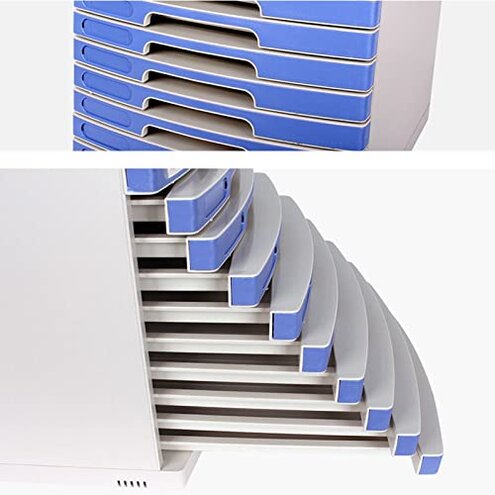
- Core problem: The 10-layer design sounds generous, but capacity and convenience are not the same thing.
- Pattern: This is a secondary issue that appears repeatedly when buyers use it for actual paper-heavy sorting.
- When it happens: The drawback shows up during real filing, especially once multiple drawers are filled.
- Why it worsens: Heavier or fuller drawers can make access feel less smooth and less confidence-inspiring.
- Category contrast: A typical mid-range alternative is usually more forgiving when buyers use most of the advertised space.
- Hidden requirement: You may need to underfill drawers to keep the unit feeling usable, which defeats part of the reason to buy a multi-layer organizer.
- Result: The product can look like a high-capacity solution but behave better as light-duty storage.
Illustrative: “There are lots of drawers, but I can’t use them the way I planned.” Secondary pattern: This matches complaints about practical capacity versus advertised layout.
Is the desktop setup more fragile-feeling than it looks?
This complaint is secondary, but it can be more frustrating when it occurs because it affects trust in the whole organizer. Buyers notice it when pulling drawers quickly or placing the unit on a busy desk.
The issue is persistent, not universal. It tends to show up during daily use and gets worse if the cabinet is stacked, bumped, or used on a less stable surface.
Category contrast: Desktop storage in this price band is expected to feel basic, but still steady enough for routine office use. Here, the stability risk feels less forgiving than typical.
- Trigger: Fast drawer pulls can make the unit feel less planted than buyers expect.
- Scope: The concern shows up across multiple feedback types, not just one style of comment.
- Desk reality: Shared desks and active workspaces make this weakness more noticeable.
- Attempted workaround: Using non-slip placement helps somewhat, but does not fully remove confidence concerns.
Illustrative: “It works best only if I baby it on the desk.” Secondary pattern: This captures the repeated sense that handling needs extra care.
Does the lock solve security, or just sound good on the listing?
- Main concern: The lockable feature can create expectations that exceed what a desktop organizer normally provides.
- Frequency tier: This looks like an edge-case issue, but it becomes a major regret for the wrong buyer.
- When it matters: The mismatch shows up after purchase when buyers want real privacy for sensitive papers.
- Why it stings: Security-focused shoppers may pay extra attention to the lock and overlook the unit’s light-duty nature.
- Category contrast: In this category, a lock is usually a basic deterrent. Here, the listing emphasis can make that limitation feel more disappointing.
- Hidden requirement: You need modest expectations and should treat the lock as light access control, not strong protection.
- Best reading: If your goal is simple tidiness, the lock may be enough; if your goal is real document security, it may not be.
Illustrative: “I wanted secure storage, but this feels more like organized hiding.” Edge-case pattern: This reflects expectation mismatch more than universal product failure.
Who should avoid this
- Busy office users should avoid it if they open drawers many times a day, because the access friction exceeds normal category tolerance.
- Paper-heavy filers should pass if they want to use most drawers fully, since practical usability may drop as storage increases.
- Shared-desk workers should avoid it if their setup gets bumped often, because stability concerns become more noticeable in active spaces.
- Security-focused buyers should look elsewhere if the lock is a main reason for purchase, since that benefit appears lighter-duty than some expect.
Who this is actually good for
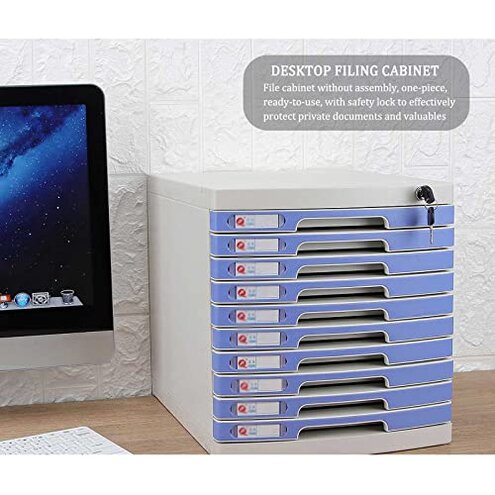
- Light-duty organizers may be fine with it if they store small office items and accept that drawers may work best with lighter loads.
- Low-traffic desks are a better fit because the stability concern matters less when the unit is rarely moved or bumped.
- Visual sorters may still like the many layers if they value separating categories more than fast drawer access.
- Basic privacy users can consider it if they only need a simple barrier against casual access, not meaningful document security.
Expectation vs reality
Expectation: A 10-layer organizer should make filing faster.
Reality: The repeated complaint is that the many drawers can create more access friction during normal use.
Expectation: A reasonable for this category baseline is smooth enough drawer movement for daily office filing.
Reality: This unit appears worse than expected on that basic task, especially when loaded or used often.
Expectation: A lockable desktop cabinet should feel safely private.
Reality: The lock seems better treated as a light deterrent than a true security feature.
Safer alternatives
- Choose fewer drawers if you need fast daily access, because simpler layouts often reduce the friction problem described above.
- Look for load demos showing drawers filled with real paper, which helps avoid the practical-capacity mismatch.
- Prioritize base stability if your desk is active or shared, since that directly counters the wobble and shifting concern.
- Treat locks carefully in this category, and only buy one if the listing clearly matches your security expectations.
- Check return friction before buying, because organizer regret often appears only after several days of real filing.
The bottom line
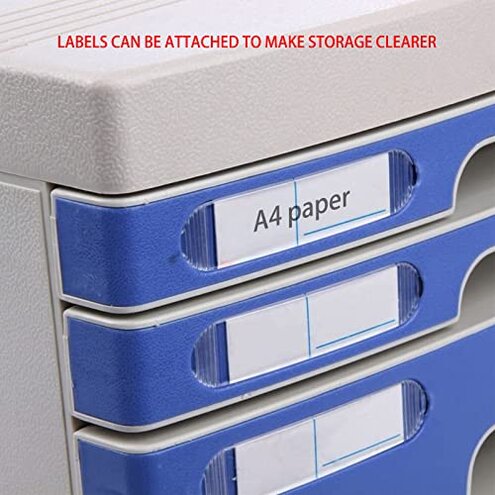
Main regret trigger: The organizer promises lots of storage, but the day-to-day drawer experience can feel fussier than expected. That exceeds normal category risk because a desktop file box lives or dies by quick, easy access.
Verdict: Avoid it if you need smooth daily filing, full-capacity use, or meaningful lock protection. It makes more sense only for light-duty sorting on a calm desk.
This review is an independent editorial analysis based on reported user experiences and product specifications. NegReview.com does not sell products.