
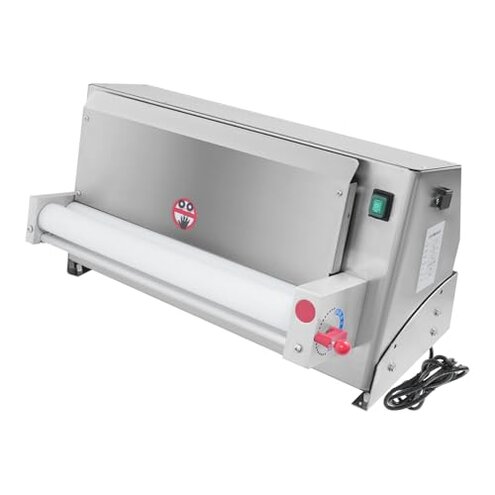
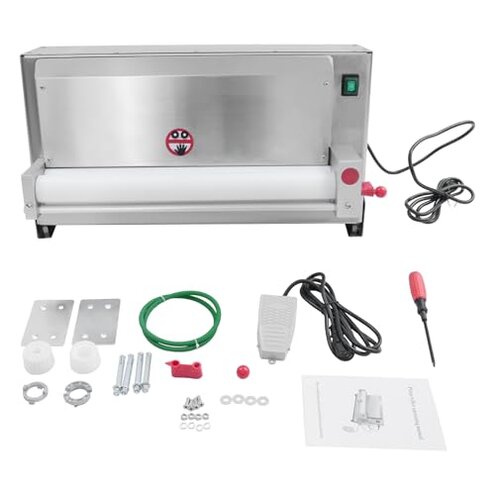
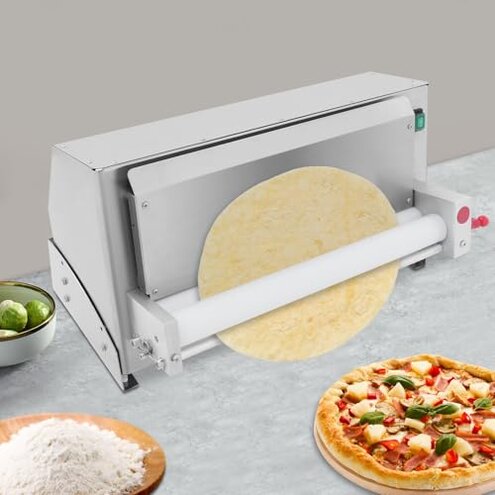
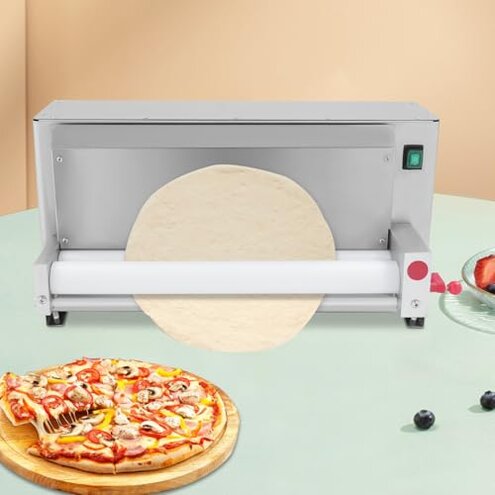
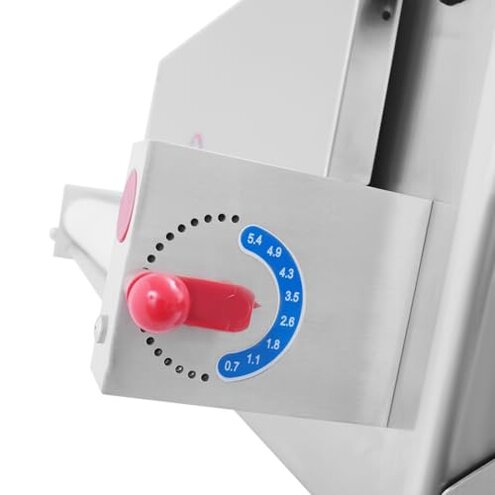
Product evaluated: Headery Electric Pizza Dough Roller Sheeter Machine, Automatic Commercial Pizza Press Making Machine 450W 110V Stainless Steel Pasta Maker Machine For Bakeries Pizzerias, Restaurants Kitchens (3-12in)
Related Videos For You
Manual Pizza Presser 12" Heavy Duty
How to repair and replace a dough press swing arm on DP2300 model - Proluxe
Data basis: We reviewed dozens of written customer reviews and several video demonstrations collected between Nov 2023 and Jan 2026, with most feedback coming from written reviews and supporting video clips.
| Outcome | Headery (this unit) | Typical mid-range press |
|---|---|---|
| Build quality | Mixed reports of bent rollers and loose fittings after light commercial use. | Solid chassis and predictable wear in comparable mid-range models. |
| Reliability (heavy use) | Higher-than-normal risk of motor stalls and overheating during continuous shifts. | Lower risk with duty cycles rated for several hours of continuous use. |
| Noise & vibration | Noticeable vibration and loud motor noise reported under load. | Quieter operation is common for similarly priced alternatives. |
| Cleaning & maintenance | Higher upkeep needed due to tight roller gaps and food trap points. | More accessible designs make cleaning faster on typical models. |
| Regret trigger | Motor/durability problems that interrupt service and require repair or replacement. | Wear-only issues that rarely stop production during a shift. |
Top failures
Why does the motor stall or overheat during continuous use?
Pattern: Motor stalls and overheating are commonly reported across written feedback and videos, not just isolated posts.
Usage anchor: The problem appears during first-day heavy runs or after several hours in daily restaurant service and worsens under continuous pressing cycles.
Category contrast: This is more disruptive than typical mid-range presses because it interrupts service and needs downtime for cool-down or repair.
Why do roller alignment and thickness vary mid-shift?
- Early sign: Dough edges become uneven within minutes of use, a commonly reported early symptom.
- Frequency tier: Secondary issue that appears repeatedly in multi-day use reports.
- Probable cause: Loose fasteners or imprecise roller guide tolerances under load are often pointed to in demonstrations.
- Impact: Uneven crusts force manual trimming or re-rolling, adding labor and waste.
- Fixability: Temporary shim or adjustment may help but buyers report returns or replacements for persistent cases.
Why is cleanup and maintenance more involved than expected?
- Hidden requirement: Tight roller gaps and multiple food-trapping joints require disassembly more often than typical models.
- Early sign: Dough residue accumulates along edges after several uses in one shift.
- Frequency tier: Primary maintenance complaint across written reports and videos.
- Cause: Non-modular roller covers and small access points slow down cleaning.
- Impact: Longer downtime between batches and higher sanitation effort for commercial use.
- Workaround: Regular short clean cycles reduce buildup but add labor time each day.
Why are noise, vibration, and perceived fragility a worry for busy kitchens?
- Perceived fragility: Several demonstrations show audible rattles and excess vibration during normal operation.
- When it shows up: Vibration becomes worse when pressing thicker or sticky doughs under continuous cycles.
- Scope signal: This is a persistent concern in both reviews and demonstration videos, though not universal.
- Risk intensity: More disruptive than expected for the category because vibration can loosen fittings over time.
- Impact on placement: Requires a heavy, stable work surface to avoid movement during shifts.
- Attempted fixes: Buyers report adding rubber mats or bolting the unit down to reduce movement.
- Long-term worry: Vibration-linked wear may accelerate other failures like alignment and motor strain.
Illustrative excerpts (not actual quotes)
"Motor stopped after two hours of back-to-back pizzas." — Primary pattern
"Edges went uneven within my first busy shift, needed trimming." — Secondary pattern
"Cleaning took twice the time of my old machine, tight gaps everywhere." — Primary pattern
"Loud rattles when pressing thick dough, shook the counter a bit." — Secondary pattern
Who should avoid this
- High-volume kitchens: Avoid if you need continuous multi-hour use without interruption, due to motor and reliability concerns.
- Low-maintenance teams: Avoid if you cannot add frequent short clean cycles and checks, because cleaning is more involved than typical.
- Quiet open kitchens: Avoid if noise and vibration must be minimal in front-of-house areas.
Who this is actually good for
- Small-batch bakers: Good for low-volume shops that press a few doughs at a time and can pause between batches.
- Shop with maintenance staff: Good if you have regular tech support or a mechanic who can tighten and align parts frequently.
- Budget-conscious buyers: Good if you accept extra upkeep to get a lower upfront price and can tolerate occasional downtime.
Expectation vs reality
Expectation: Reasonable for this category is a press that handles several hours of continuous pizza prep in light commercial use.
Reality: This unit shows more frequent motor stalls and cooling pauses, which interrupts service more than expected.
Expectation: Reasonable for the price is straightforward cleaning and accessible parts.
Reality: Tight gaps and non-modular covers mean cleaning takes longer and needs extra steps.
Safer alternatives
- Look for duty-cycle rating: Choose presses that specify continuous-use or multi-hour duty cycles to reduce motor-stall risk.
- Prefer modular rollers: Pick models with removable roller covers to cut cleaning time and hidden sanitation effort.
- Check real-world demos: Watch videos of full-shift operation to spot overheating or vibration before buying.
- Require local support: Buy from brands with accessible replacement parts and service for faster repairs.
The bottom line
Main regret: The primary cause of regret is motor reliability and durability issues that interrupt service.
Why worse than normal: These problems are more disruptive than typical mid-range presses because they add downtime, extra cleaning, and maintenance labor.
Verdict: Avoid if you need reliable continuous performance; consider only for low-volume or easily serviced environments.
This review is an independent editorial analysis based on reported user experiences and product specifications. NegReview.com does not sell products.