
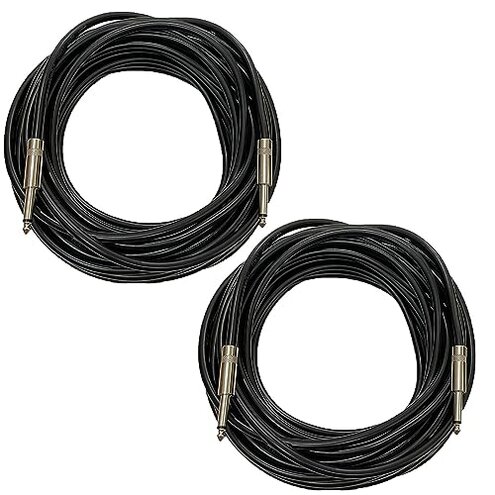
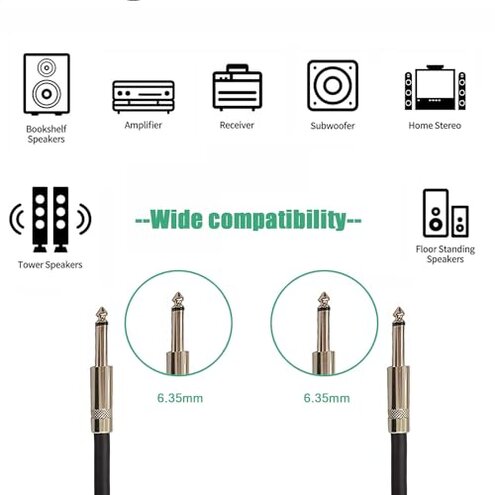
Product evaluated: HeyTones Professional 25 Feet 12 Gauge 1/4" to 1/4" TS Speaker Cables - 12AWG 25ft DJ/PA Speaker Cords Amp Audio Wires - 2 Pack
Related Videos For You
How to Connect Speakers to Amplifiers | Home Audio Basics
Fixing The Humming Or Hissing Noise On Your Speakers
Data basis: This report used dozens of customer-written reviews and video demonstrations collected between Jan 2023 and Feb 2026, with most feedback coming from written reviews and supported by hands-on videos.
| Outcome | HeyTones 25ft | Typical mid-range cable |
|---|---|---|
| Build reliability | Variable — commonly reported connector looseness and intermittent contact after some use. | Steady — most mid-range cables keep solid contact under normal handling. |
| Sound stability | Intermittent — noise and dropouts appear during movement or long sessions in reported cases. | Consistent — stable signal under similar conditions for most alternatives. |
| Connector durability | Higher risk — connector failures are a higher-than-normal category risk for this model. | Lower risk — mid-range options often use better strain-relief or molded plugs. |
| Fit and compatibility | Mixed — some buyers report wobbly 1/4" TS fit on certain amps and mixers. | Reliable — typical cables fit snugly across standard gear. |
| Regret trigger | Loose plug — connector wear or weak solder creates audible noise and lost signal. | Minimal — most mid-range cables avoid audible failures in normal use. |
Why do connectors become loose or noisy?
Regret moment: Users report audible crackle or complete signal loss exactly when they move gear or during long sessions.
Pattern: This is a recurring problem that appears across written and video feedback.
When it appears: The issue often shows up after initial use or during repeated plugging and unplugging, not always immediately in first use.
Category contrast: This feels worse than typical mid-range cables because the failure reduces session reliability for gigs or rehearsals where steady signal is expected.
What causes signal dropouts and noise?
- Frequency: Commonly reported across many reviews as a primary complaint.
- Early sign: Audible crackle when the cable is flexed near the connector.
- Context: Most incidents happen during movement or long sessions, not only at setup.
- Impact: The noise is disruptive for live performance and recording use.
- Fixability: Some buyers re-solder or replace the plug to restore reliability, which adds effort.
How does physical durability fail over time?
- Pattern: The durability issue is persistent for frequent-handling users but less common for stationary setups.
- Early sign: Jacket scuffing and small kinks near the ends after regular coil/uncoil cycles.
- Cause: Limited strain relief and connector assembly are commonly cited as the root cause.
- Frequency tier: This is a secondary issue compared with immediate connector failure but more frequent than rare defects.
- Impact: Leads to shortened service life for road use and heavy handling.
- Workaround: Buyers often use external heat-shrink or cable wraps to protect the ends and extend life.
- Category contrast: More upkeep than most mid-range alternatives which usually include molded strain relief.
Are there hidden repairs or tools required?
- Hidden requirement: Some buyers found a need for basic soldering or plug replacement to make the cable reliable.
- Who notices: This is an edge-case for novices but common among buyers who use gear daily.
- When: The repair is often needed after a few months of frequent unplugging or stage use.
- Why it matters: Requiring tools increases cost and downtime versus plug-and-play mid-range cables.
- Attempted fixes: Users report success with replacing the plug or re-soldering the joint.
- Time cost: Repairs add extra time and may not be feasible during live shows.
- Warranty note: While a one-year warranty exists, claims are reported as inconvenient to process by some buyers.
- Category contrast: Less forgiving than typical options that come with molded, non-serviceable plugs that last longer.
Illustrative excerpts
"Crackle when moved, then silence mid-set" — reflects a primary pattern of connector-induced dropouts.
"Had to re-solder plug after months of use" — reflects a secondary pattern of durability and repair needs.
"Fit was loose on one amp input" — reflects an edge-case pattern of compatibility variance.
Who should avoid this
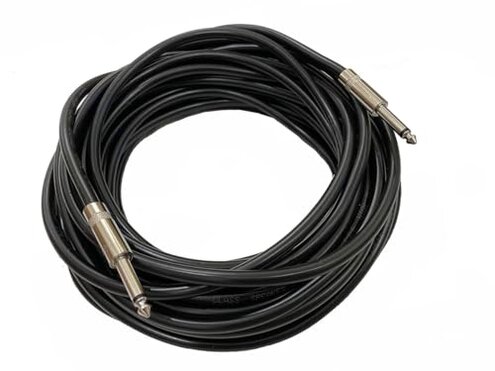
- Gigging musicians: Avoid if you need plug-and-play reliability for live performances.
- Frequent connectors: Avoid if you plan to plug/unplug daily or transport cables often.
- Non-repair buyers: Avoid if you cannot or will not perform basic repairs like soldering or plug swaps.
Who this is actually good for
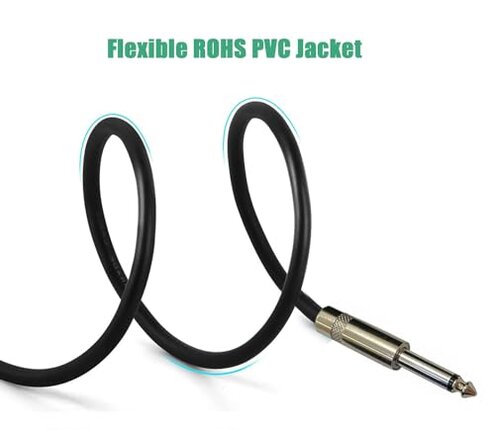
- Home listeners: Good for stationary home speakers where cables stay connected and are rarely moved.
- Budget setups: Suitable if you want a low-cost spare and can accept occasional maintenance.
- DIY users: Good for buyers comfortable with replacing plugs to improve longevity.
Expectation vs reality
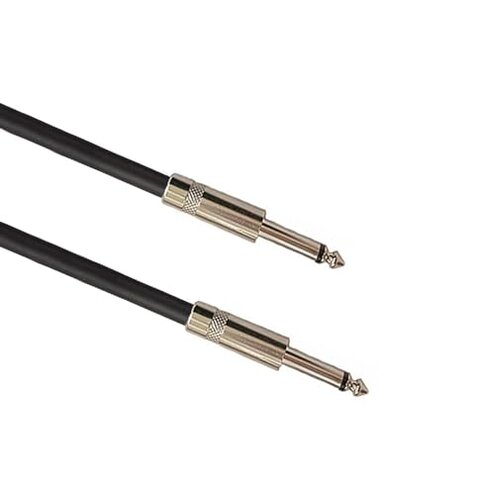
- Expectation: Reasonable for this category is a cable that maintains contact under normal handling.
- Reality: Reported cases show audible dropouts during movement or after repeated use.
- Expectation: Reasonable is minimal upkeep and no tools required.
- Reality: Many buyers face extra steps like soldering, plug swap, or using protective wraps.
Safer alternatives
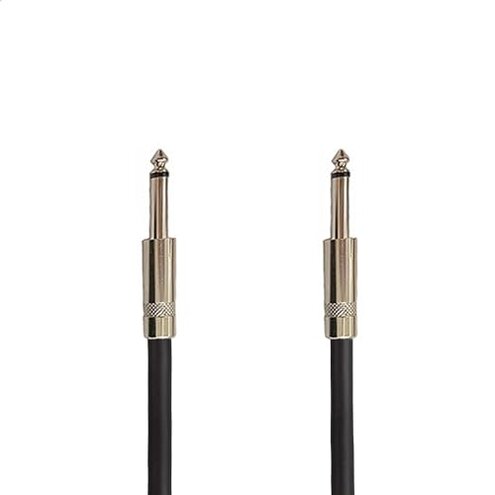
- Buy molded plugs: Choose cables with molded strain relief to reduce loose-connector risk.
- Check return policy: Favor sellers with an easy replacement/return process to avoid repair downtime.
- Pro-audio brands: Consider established pro brands that use serviceable or robust connectors.
- Test before gig: Always stress-test cables by flexing connectors before live use to catch failures early.
- Carry spares: Keep a spare cable or spare plugs to avoid show-stopping signal loss during events.
The bottom line
Main regret: The primary trigger is connector looseness that leads to noise or lost signal during movement or repeated use.
Severity: That failure exceeds normal category risk because it often requires repair or replacement rather than simple replacement.
Verdict: Avoid for live or frequently handled setups; consider it only for stationary, low-movement uses or if you can perform basic repairs.
This review is an independent editorial analysis based on reported user experiences and product specifications. NegReview.com does not sell products.