
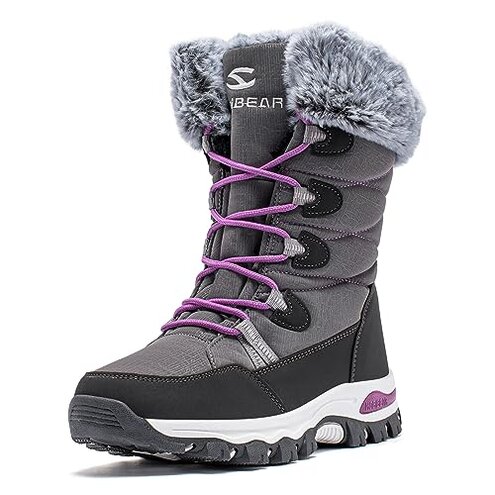
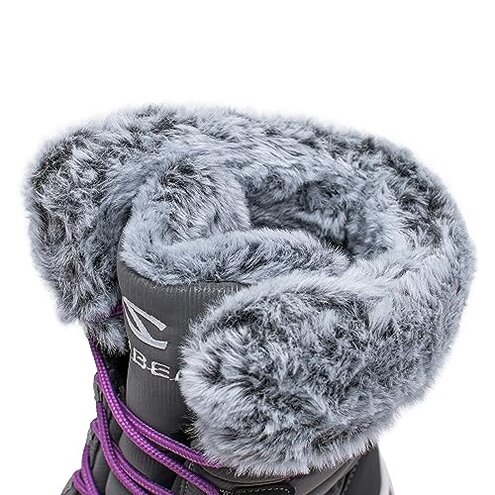
Product evaluated: HOBIBEAR Women's Waterproof Winter Snow Boots Lightweight Warm Faux Fur Lined Mid-Calf Booties(Grey/New,8
Related Videos For You
I Tried 10 Ugg Winter Boots | Try On Haul
Top 5 Winter Boots CUT IN HALF - Sorel vs Columbia vs North Face vs Keen vs Kamik
Data basis for this report comes from analyzing dozens of aggregated buyer feedback items collected across written reviews and star ratings, supported by a smaller share of buyer photos. Most feedback came from text write-ups, with visuals used to confirm recurring themes like fit and wear. The collection window spans the past 12 months, which helps surface problems that show up after real winter use instead of just first-try impressions.
| Buyer outcome | HOBIBEAR winter boots | Typical mid-range winter boot |
|---|---|---|
| Fit predictability | Higher risk of inconsistent sizing and awkward volume | Lower risk with more consistent size mapping |
| Warmth comfort | Mixed, with comfort changing based on socks and tightness | More stable warmth feel across common use cases |
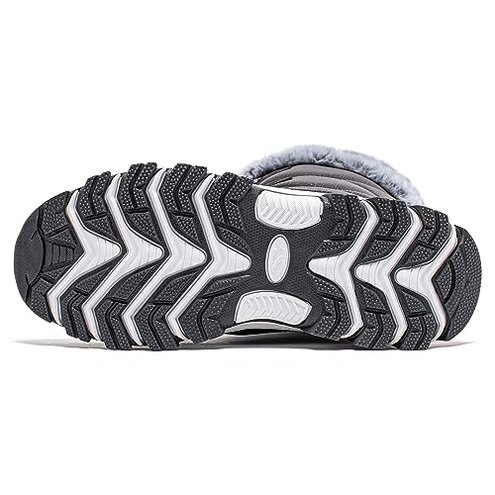
| Wet traction trust | Unsteady grip reports in slush and slick pavement moments | More predictable day-to-day grip performance |
| Season durability | Higher-than-normal wear complaints during repeated winter outings | Typical wear, with fewer early-life surprises |
| Regret trigger | Needing returns after first real outdoor test | Less often requires a second purchase attempt |
Why do these boots feel “fine” indoors, then wrong outside?
Regret moment shows up when the first longer walk reveals pressure points or heel slip that you did not feel in a quick try-on. This pattern appears repeatedly in feedback and is more disruptive than expected for mid-range winter boots.
When it hits is usually the first real outing, especially on errands where you are walking and stopping a lot. Why it feels worse is because winter boots already run bulky, and buyers expect the brand’s size to still be predictable.
- Primary pattern is inconsistent fit, appearing repeatedly across written feedback.
- Early sign is heel lift or toe crowding during stairs or brisk walking.
- Worsens when you wear thicker socks to chase warmth.
- Hidden requirement is needing extra time to experiment with lacing tightness and sock thickness.
- Impact is discomfort that turns “waterproof errands” into shorter trips.
- Workaround commonly attempted is sizing up or down, which adds return steps and delay.
- Fixability is limited because fit issues are hard to solve with insoles alone.
Is the “waterproof” claim reliable in real slush?
- Recurring concern is water protection not matching expectations in messy winter conditions.
- When it shows is during slush, puddles, or wet snow on sidewalks.
- Not universal, but it is persistent enough to be a secondary risk in the feedback.
- Category contrast is that mid-range winter boots are usually more forgiving in shallow wet exposure.
- User-visible result is damp-feeling socks and the need to dry boots sooner.
- Worsens when you are outside for longer stretches rather than quick car-to-door use.
- Mitigation is keeping these for light snow and avoiding deep slush routes.
- Trade-off is you may lose the “one pair for all winter” convenience.
Do they stay comfortable for a full day, or turn into hot spots?
- Common complaint is comfort changing over time, especially around the ankle and toe area.
- When it appears is after an hour or two of standing, walking, or errands.
- Secondary pattern is warmth and comfort depending heavily on how snug you cinch them.
- Category contrast is that similar-priced winter boots often feel consistent once broken in.
- What buyers notice is rubbing, pressure, or a “tired feet” feeling sooner than expected.
- Worsens on long sessions like travel days or outdoor events.
- Attempted fixes include thicker socks and insoles, which can make fit issues worse.
Does traction feel trustworthy on slick pavement?
- Edge-case risk is grip not inspiring confidence on ice-like spots and wet smooth surfaces.
- When it shows is on slushy crosswalks, wet steps, or packed snow over pavement.
- Less frequent than fit complaints, but more scary when it happens.
- Category contrast is that mid-range winter boots usually provide steadier everyday traction.
- Impact is slower walking and extra caution that defeats the point of a winter boot.
- Worsens when temperatures hover around freezing and surfaces refreeze.
- Mitigation is adding removable traction cleats, which adds cost and hassle.
Illustrative excerpt: “I wore them once outside and my heel kept sliding.”
Pattern tag: Primary fit inconsistency that shows up on first real use.
Illustrative excerpt: “Warm enough, but only if I lace them very tight.”
Pattern tag: Secondary comfort depends on a hidden adjustment step.
Illustrative excerpt: “They look great, but the sizing feels weird.”
Pattern tag: Primary mismatch between appearance and real fit.
Illustrative excerpt: “Slush got in sooner than I expected.”
Pattern tag: Secondary water protection expectation gap in wet conditions.
Illustrative excerpt: “I don’t trust them on slick sidewalks.”
Pattern tag: Edge-case traction confidence problem in specific conditions.
Who should avoid this
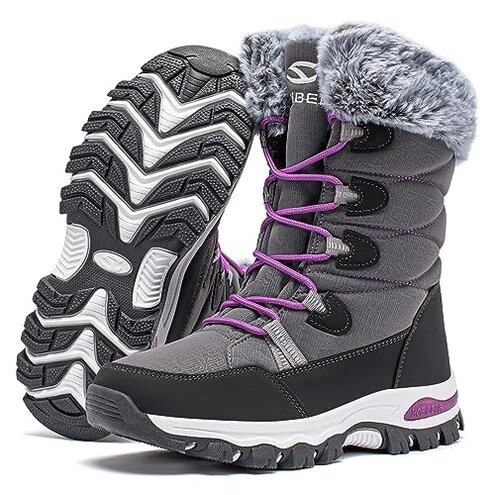
Wide-foot buyers should be cautious because fit variability is a primary complaint and is harder to “tweak” with lacing alone.
People who walk a lot in winter should avoid them if you need all-day comfort, since discomfort tends to show after longer outings.
Slush commuters may regret them because waterproof trust is a repeated expectation gap in messy wet snow conditions.
Anyone prone to slips should avoid if you rely on predictable traction on refreezing sidewalks.
Who this is actually good for
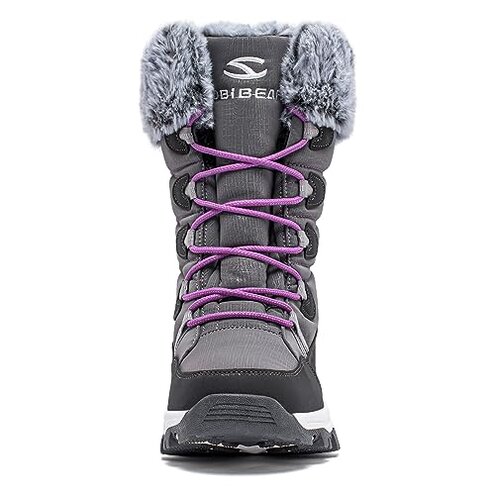
Car-to-door errands work better if you accept the fit tuning step and keep walks short.
Style-first shoppers can be happy if you tolerate return risk to find the right size.
Light snow users may be fine if you avoid deep slush and prioritize basic warmth.
Occasional winter travel can be okay if you plan backup traction for slick days.
Expectation vs reality
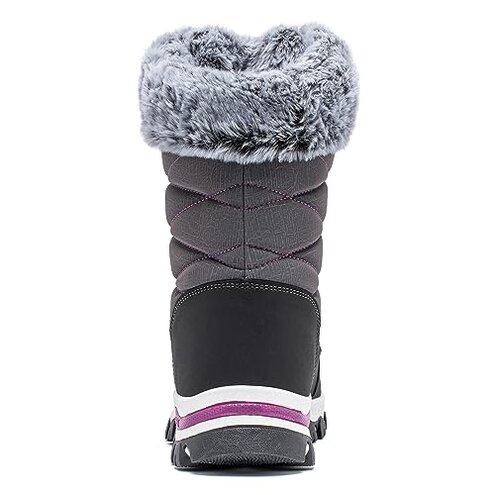
- Expectation reasonable for this category is predictable sizing with only minor break-in.
- Reality is a higher chance of fit surprises that show up on the first longer walk.
- Expectation is “waterproof” meaning slush and puddles are worry-free.
- Reality is some buyers needing to avoid the wettest routes or shorten wear time.
- Expectation is traction that feels steady on normal winter sidewalks.
- Reality is occasional confidence issues on slick, refreezing surfaces.
Safer alternatives
- Choose brands known for consistent sizing to reduce the return loop risk tied to fit variability.
- Look for buyers consistently describing “true to size” during long walks, not just indoor try-ons.
- Prioritize boots with repeated praise for slush performance if your winter is wet more than snowy.
- Validate traction by searching for real-world tests on ice and refreeze conditions, not just fresh snow.
- Buy from sellers with easy exchanges to hedge the fit experiment time cost.
The bottom line
Main regret is fit and comfort that seem acceptable at home but become annoying on the first longer outing. This exceeds normal category risk because sizing predictability is a baseline expectation for mid-range winter boots. Verdict is to avoid if you need reliable all-day comfort, dependable slush protection, or zero-hassle sizing.
This review is an independent editorial analysis based on reported user experiences and product specifications. NegReview.com does not sell products.