
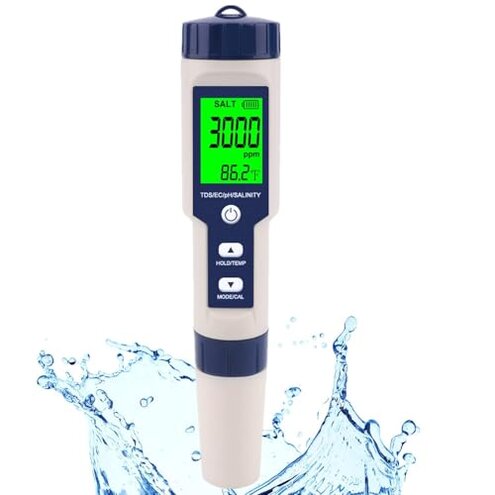
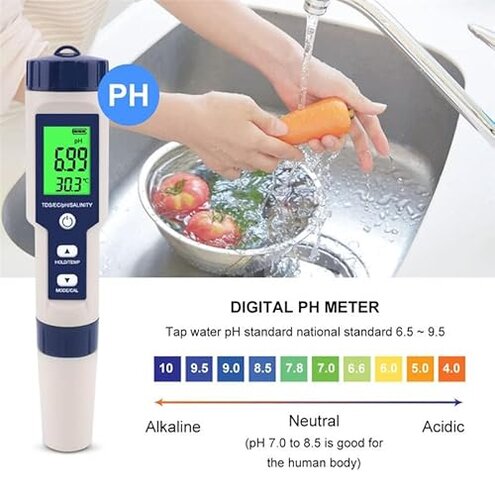
Product evaluated: Pool Salt Tester & PH Meter, Hofun Digital Salinity Meter and PH Tester for Aquarium and Pool Saltwater Water, 5 in 1 Salinity PH Temp EC and TDS Meter, Aquarium Swimming Pool Hot Tub, High Accuracy
Related Videos For You
WQM-303 Pentype Multi-Paramater 5-in-1 Water Quality Tester (pH / TDS / EC / Temp / Salinity)
AZ 86031 combo pH/EC/DO meter calibration and maintenance-English
Data basis: This report used dozens of written reviews and several video demonstrations collected between Jan 2023 and Jan 2026. Most feedback came from written reviews, supported by demonstration clips and product Q&A. The signals below reflect commonly reported buyer experiences, not lab tests.
| Outcome | Hofun 5‑in‑1 | Typical mid‑range meter |
|---|---|---|
| Readings consistency | Variable — inconsistent or drifting readings reported commonly. | Stable — most mid‑range meters keep steady readings after setup. |
| Setup complexity | High — often requires extra calibration steps and unit checks. | Moderate — simpler calibration or single‑function focus. |
| Durability risk | Elevated — durable probe claims contradicted by repeated lifespan reports. | Average — mid‑range alternatives show longer consistent use. |
| Regret trigger | Frequent recalibration or confusing modes that break routine testing. | Single‑focus meters that simply give reliable ppm or pH without frequent fixes. |
Are the readings inconsistent or do results drift over time?
Primary concern: Many buyers called out inconsistent readings as the main regret point. This pattern is commonly reported across written reviews and demo videos.
Usage anchor: Issues appear after setup and get worse with repeated use or when measuring different water types like pool versus aquarium.
Category contrast: This is worse than expected for mid‑range meters because buyers expect steady pH/TDS readings without frequent rechecks.
Does calibration or setup hide extra supplies and steps?
- Hidden need: Many buyers reported a need for calibration solution beyond what’s included, a recurring setup extra.
- Early sign: Readings change after travel or storage, indicating recalibration is often required before first use.
- Frequency tier: This is a primary issue for users expecting plug‑and‑test convenience.
- Impact: Extra calibration adds time and cost compared with single‑purpose meters.
Does the device feel fragile or fail sooner than expected?
- Common report: Multiple buyers note probe degradation or screen problems after moderate use.
- When it happens: Problems often show up within months of everyday pool or aquarium testing.
- Cause clue: Frequent wet/dry cycles and frequent handling make the issue more disruptive than typical wear.
- Repair attempts: Users tried recalibration and gentle cleaning, with limited improvement.
- Scope signal: Seen across written reviews and some hands‑on video checks, not just isolated cases.
- Category contrast: This product shows higher upkeep than most mid‑range multi‑meters, causing real replacement costs.
Is the interface and mode switching confusing or unreliable?
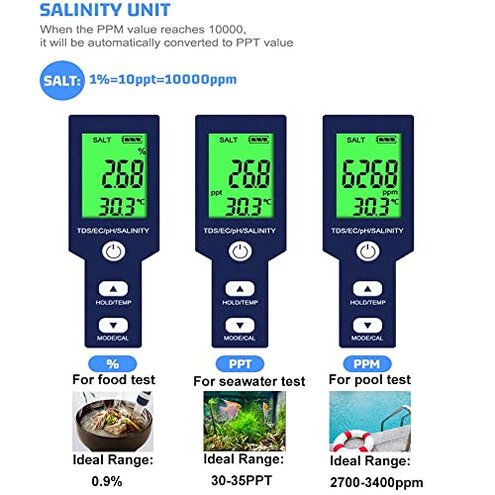
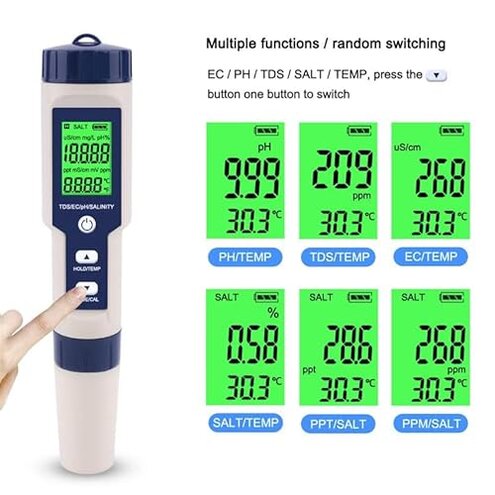
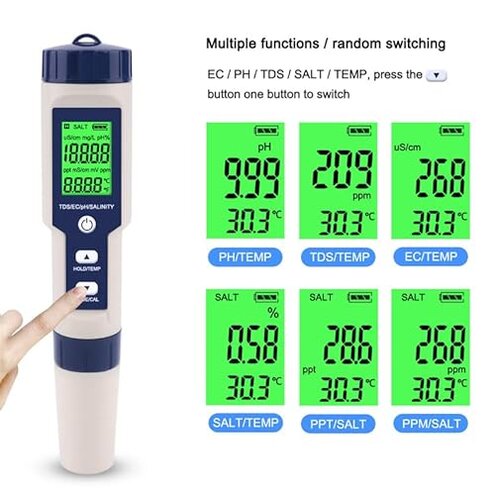
- Early sign: Buyers report accidental mode selection when testing, producing wrong units.
- Usage anchor: Confusion appears during rapid tests like pool servicing or aquarium water checks.
- Frequency tier: This is a secondary issue but more frustrating during routine maintenance.
- Impact: Mistaken ppm/ppt/% readings force extra testing time and rechecks.
- Fix attempts: Some users power‑cycled or removed batteries, with temporary fixes only.
- Hidden requirement: Users need to learn manual mode navigation or bring a separate meter to confirm.
- Category contrast: Simpler meters avoid this by offering fewer selectable modes, causing less friction.
Illustrative excerpts (not actual quotes)
"Readings jumped after a week of normal pool tests." — reflects a primary pattern.
"Had to buy calibration liquid before first accurate reading." — reflects a secondary pattern.
"Mode switched while dipping and I got percent not ppm." — reflects an edge‑case pattern.
Who should avoid this
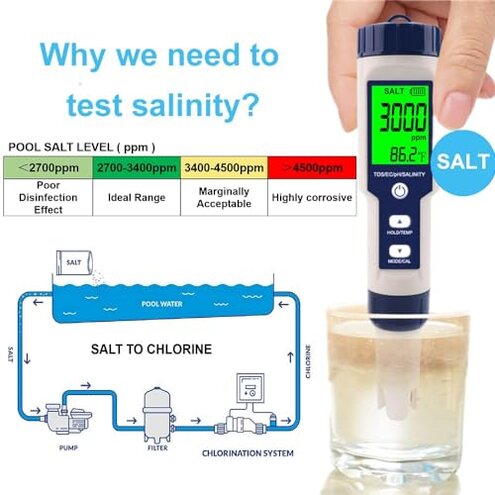
- Pool professionals who need fast, repeatable results during long service sessions.
- Aquarium keepers who cannot tolerate reading drift for sensitive ecosystems.
- Buyers wanting plug‑and‑play who don’t want to buy calibration supplies or spend extra setup time.
Who this is actually good for
- Hobbyists who test occasionally and can tolerate extra calibration time.
- Budget users looking for multiple functions in one device and willing to cross‑check results.
- DIY tinkerers who will maintain and recalibrate devices regularly to extend life.
Expectation vs reality
- Expectation: Reasonable for this category — instant, stable pH and TDS readings.
- Reality: You may need frequent recalibration and confirmation with a second meter.
- Expectation: One device replaces separate pH, TDS, and salinity meters.
- Reality: Multipurpose design increases chance of mode errors during quick checks.
Safer alternatives
- Buy single‑function meters to eliminate mode mistakes and reduce recalibration frequency.
- Choose meters with replaceable probes if you want longer service life and cheaper repairs.
- Keep calibration solution on hand and test a second reference strip to confirm readings.
- Prefer meters with simple displays if you need fast pool servicing without rechecking units.
The bottom line
Main regret: Buyers most often report inconsistent readings and repeated recalibration that interrupt routine testing.
Why it matters: These problems make the device riskier than typical mid‑range meters for professionals and sensitive aquaria.
Verdict: Avoid if you need plug‑and‑play reliability; consider lower‑function, more stable meters instead.
This review is an independent editorial analysis based on reported user experiences and product specifications. NegReview.com does not sell products.