
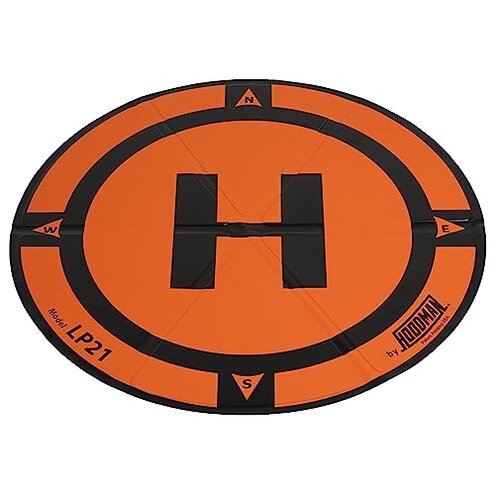
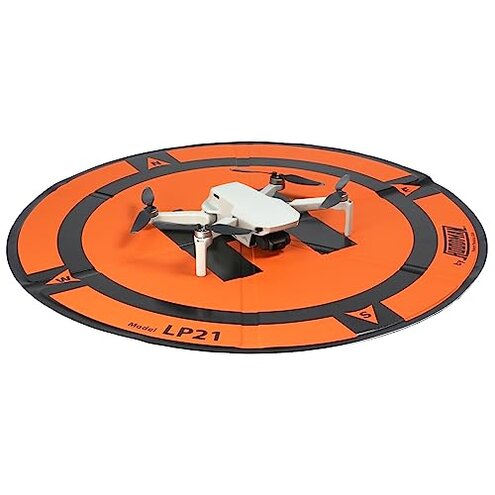
Product evaluated: Hoodman Weighted Trifold UAV Drone Landing Pad LP21 fits Mini 4 Pro, mini 3 pro, mavic and spark. Durable, No Stakes Required, collapses to one sixth of deployed size
Related Videos For You
How to fold PGYTech drone landing pad?
Landing Pad - Good or Bad?
Data basis: This report used dozens of customer reviews plus a mix of written feedback and video demonstrations collected between Jan 2023 and Jan 2026. Most feedback came from written reviews, supported by video evidence and Q&A posts.
| Outcome | Hoodman LP21 | Typical mid-range pad |
|---|---|---|
| Visibility for landing | Good for many drone cameras but varies with lighting. | Consistent high-contrast designs are common in this class. |
| Stability in wind | Higher risk of shifting in gusts despite "no stakes" claim. | Lower risk when stakes or heavier weights are provided. |
| Durability over time | Mixed reports of seam wear and folding stress after repeated use. | Usually better reinforced hems in mid-range alternatives. |
| Portability | Very compact when folded, which many buyers like. | Similar compactness for category peers. |
| Regret trigger | Wind-related failures are the most disruptive and exceed typical category annoyance. | Less likely when mid-range pads include tie-downs or heavier bases. |
Will this pad resist gusts or blow away?
Regret moment: Buyers report the pad shifting or curling during windy landings, which interferes with safe drone touchdowns.
Pattern: This is a commonly reported issue across written feedback and video clips that show movement during first outdoor uses.
Context: It appears at first use in open, windy conditions and worsens with sustained gusts or on uneven ground.
Category contrast: Many mid-range pads include tie-downs, making this problem more disruptive than expected for a product pitched as "no stakes required."
Does the fold-and-carry design hold up long-term?
- Early signs: Creasing and loosened hems can appear after just a few folds.
- Frequency tier: This is a secondary complaint—less frequent than wind problems but recurring for several buyers.
- Cause: Repeated folding under tension and storage in tight spaces accelerates wear.
- Impact: Worn seams reduce the pad's flatness and can change how the pad sits on ground.
- Fixability: Repairs require sewing or adhesive patches, which adds time and cost.
Is the size and contrast reliable for all drones?
- Usage anchor: Some buyers find the pad feels small for larger consumer drones during first setup.
- Scope signal: This appears repeatedly in written notes and sizing comparisons posted by users.
- Why it matters: Tight margins increase risk of prop spray, rotor strikes, or calibration issues during landing.
- Category contrast: Mid-range pads often offer larger diameter options or bold contrast rings, making Hoodman's sizing feel less forgiving.
- Hidden requirement: You may need to position the pad precisely or use additional markers to ensure safe touchdowns.
- Attempts: Buyers reported adding cones or tape to improve visibility and margin for error.
- Fixability: These are workarounds, not built-in solutions, and add setup time.
Does it handle dirt, water, and real-world abuse?
- Early signs: Buyers notice dirt staining and standing water after rainy flights.
- Frequency tier: This is a secondary pattern—less universal than wind issues but persistent in outdoor use.
- Cause: Low-edge drainage and fabric texture trap grime and moisture.
- Impact: Cleaning adds time between flights and can degrade appearance.
- Attempts: Owners report hand-washing or hosing the pad, which sometimes reduces color and flexibility.
- Hidden requirement: Regular cleaning and drying are needed to keep performance stable.
- Category contrast: Higher-tier pads use quick-drain designs, so this pad feels higher maintenance than many peers.
- Fixability: Long-term wear from cleaning can lead to earlier replacement than expected.
Illustrative excerpts (not actual quotes)
- "Pad slid in a gust during my first landing, nearly tipped drone." — reflects a primary pattern.
- "Folds creased badly after a month of flights and tight storage." — reflects a secondary pattern.
- "Needed extra markers because the pad looked small from the air." — reflects a secondary pattern.
- "Had to hose it down; color faded after repeated cleanings." — reflects an edge-case pattern.
Who should avoid this
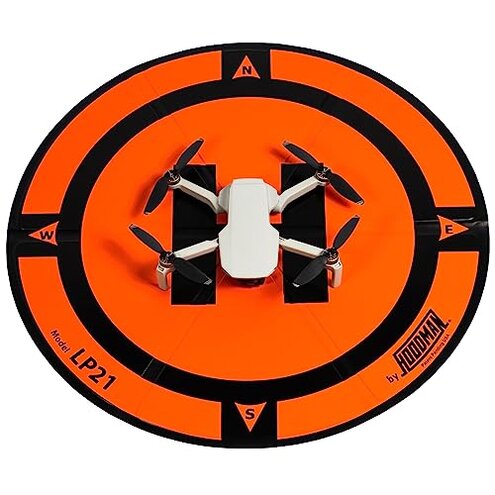
- Frequent windy flyers who need stake-free reliability should avoid this pad because wind-related shifting is a common regret.
- Pilots of larger drones who require bigger touchdown margins should avoid it due to sizing and contrast limits.
- Users wanting low maintenance should avoid it if you prefer minimal cleaning or long-term color retention.
Who this is actually good for
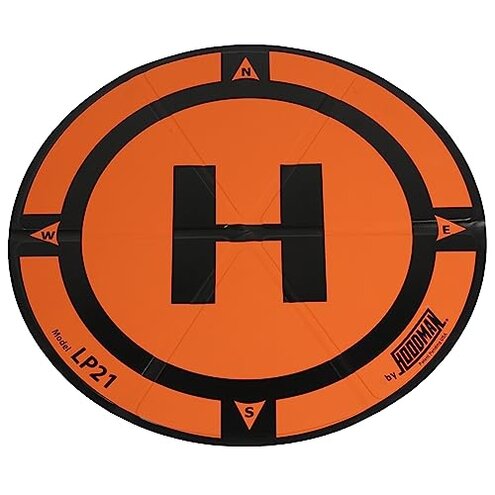
- Casual backyard users who fly in calm conditions and value compact storage; they can tolerate occasional setup adjustments.
- Traveling hobbyists who prioritize portability over heavy-duty anchoring and accept adding small weights when needed.
- Budget-minded buyers who want a simple, fold-flat pad and are willing to perform small repairs or add markers for visibility.
Expectation vs reality
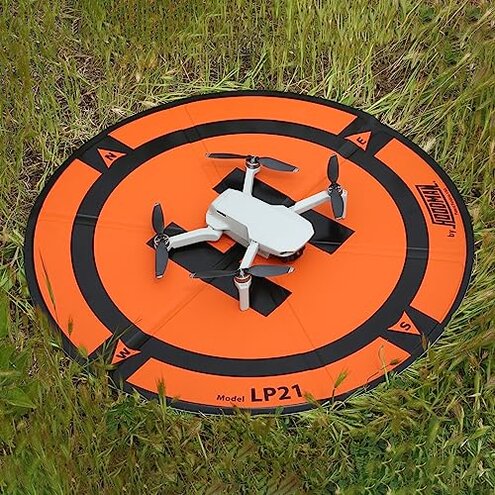
- Expectation: "No stakes required" is reasonable for many pads in this category.
- Reality: Hoodman's pad often requires extra weighting or tie-downs to match that promise in windy conditions.
- Expectation: Compact folding should be durable for regular use.
- Reality: Repeated folding sometimes causes hem wear sooner than typical mid-range alternatives.
Safer alternatives
- Look for tie-down points or included stakes to neutralize the pad's wind-shift failure.
- Choose larger diameter pads when you fly bigger drones to avoid margin and contrast problems.
- Prefer quick-drain designs if you often fly in wet or muddy conditions to reduce cleaning and wear.
- Inspect fold construction and reinforced hems to avoid early creasing and seam problems.
The bottom line
Main regret: Wind-related shifting and size/maintenance trade-offs are the primary triggers for buyer disappointment.
Why it matters: These failures exceed normal category annoyance because the product is marketed as stake-free and compact yet often needs added anchoring and upkeep.
Verdict: Avoid this pad if you fly in windy areas, use larger drones, or want low maintenance; consider reinforced mid-range pads with tie-downs instead.
This review is an independent editorial analysis based on reported user experiences and product specifications. NegReview.com does not sell products.