
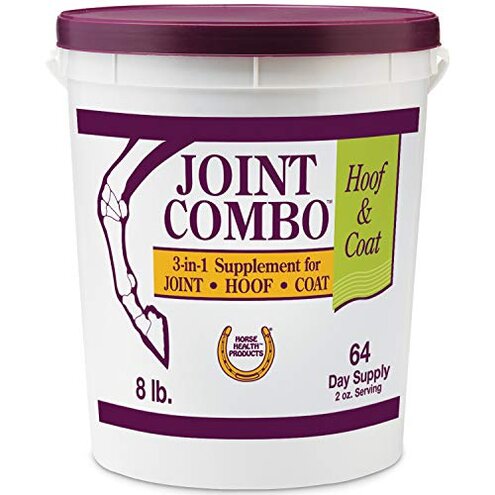
Product evaluated: Horse Health Joint Combo Hoof & Coat, Glucosamin, Chrondroitin, Vitamin C, MSM, Biotin, Lysine, ZInc, Omega 3 and 6 Fatty Acids, 64 day supply
Related Videos For You
What Is the Best Horse Supplement for Gastric Discomfort?
Supplement for Senior Horses, Equine Joint Supplement
Data basis Dozens of customer reviews and video demonstrations were aggregated for this report, collected through Jan 2026. Most feedback came from written buyer reviews, supported by video demonstrations and Q&A posts.
| Outcome | Horse Health (this product) | Typical mid-range alternative |
|---|---|---|
| Palatability | Often rejected — acceptance problems are among the most common complaints, especially at first feed. | Generally accepted — most mid-range options are palatable to most horses without masking agents. |
| Visible results | Inconsistent benefit — effectiveness often appears only after extended use or not at all. | Predictable improvement — mid-range formulas frequently give clearer short-term joint/coat responses. |
| Price/value | Higher per serving — cost is more disruptive than expected for this category given mixed results. | Better value — typical mid-range products balance cost with consistent results. |
| Handling & storage | Extra steps — needs careful mixing and measuring, which appears repeatedly in buyer notes. | Simpler use — many alternatives come in easier-to-dose formats or single-serve options. |
| Regret trigger | Palatability failure — rejection leads directly to wasted product and unclear benefit. | Lower risk — mid-range products more often deliver predictable intake and visible effects. |
Top failures

Why won’t my horse eat this?
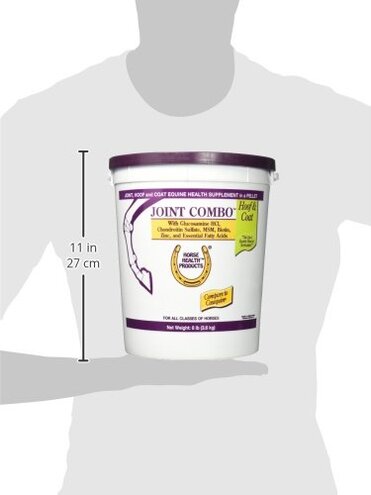
Palatability The most immediate regret happens at first feeding when horses refuse the pellets.
Pattern This complaint is commonly reported and appears repeatedly across buyer feedback during initial use.
Usage anchor Rejection typically shows up on first use or when mixed into the daily grain ration.
Category contrast This is worse than normal because most mid-range supplements are accepted without masking, so refusal causes immediate waste.
Will I actually see joint or coat improvement?
- Expectation gap Improvement is a secondary issue; benefits are commonly reported as inconsistent across users.
- When it appears Noticeable change often requires repeated use over several weeks or months.
- Frequency tier This is a secondary complaint compared with palatability but more disruptive than expected when it occurs.
- Context Lack of results is more likely when dose routines are interrupted or if the horse rejects the supplement.
- Fixability Trial-and-error feeding strategies are commonly attempted but success is not guaranteed.
Is this good value for money?
- Cost concern Per-serving price appears higher than expected given mixed intake and results.
- Waste risk When a horse refuses, wasted product makes the effective cost much worse.
- Supply math The labeled supply length assumes full daily intake, which buyers often cannot rely on.
- Replacement effort Replacing rejected feed or buying alternatives adds extra time and expense.
- Comparison signal This is more bothersome than typical mid-range options that usually offer steadier acceptance.
- Buyer workaround Many buyers report mixing with strong-flavored feeds, which adds hidden effort and cost.
How much extra work does this add?
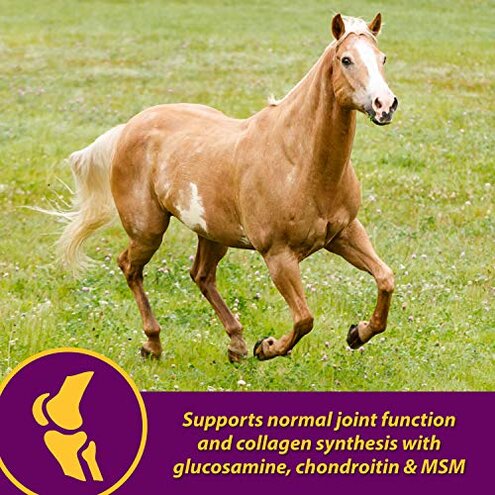
- Hidden requirement Accurate daily measuring and careful mixing are needed for effective dosing.
- Early sign Clumping or uneven distribution appears during mixing unless mixed thoroughly.
- Frequency This handling burden is commonly reported and becomes a nuisance over daily use.
- Cause Pellet form and the need to mask flavor drive extra preparation steps.
- Impact The extra time amplifies frustration when results are unclear or intake is inconsistent.
- Attempts Buyers try soaking, pelleting, or using molasses, which adds steps and possible spoilage risk.
- Hidden cost Extra feed additives or measuring tools become necessary for some users to get consistent dosing.
Illustrative excerpts

Illustrative "Pellets mixed into grain and the mare left the bucket untouched for two days."
Pattern note This reflects a primary pattern of initial rejection.
Illustrative "After six weeks I saw no real change in movement or coat gloss."
Pattern note This reflects a secondary pattern of inconsistent effectiveness.
Illustrative "Mixing well took extra time every morning and it clumped sometimes."
Pattern note This reflects an edge-case pattern of handling difficulty for some buyers.
Who should avoid this
- Picky eaters Owners of horses that refuse new feeds should avoid this product due to common rejection.
- Value buyers Shoppers seeking predictable return on spend should avoid this because of inconsistent benefits.
- Low-effort routines Users who prefer low-prep supplements should avoid this due to daily mixing needs.
Who this is actually good for

- Tolerant horses Owners with horses that accept new feeds can tolerate the palatability risk to try the formula.
- Hands-on managers Caretakers willing to mix, mask flavors, and trial feed strategies can handle the extra work.
- Long-term testers Those prepared to run a months-long trial may accept inconsistent short-term results for potential long-term benefits.
Expectation vs reality

Expectation A typical buyer expects a palatable supplement that mixes easily into daily feed.
Reality This product often requires extra masking and daily effort to get horses to consume it.
Expectation It is reasonable for this category to show some benefit within weeks.
Reality Users commonly report the benefit is inconsistent or delayed, making short trials unreliable.
Safer alternatives

- Choose pellets tried by others Look for products explicitly described as highly palatable in buyer notes to avoid refusal.
- Prefer single-serve options Select formats that remove daily measuring to neutralize the mixing burden.
- Check return policies Buy from sellers with easy returns to reduce risk if the horse rejects the supplement.
- Trial small packs Start with smaller quantities to limit waste if acceptance is uncertain.
The bottom line
Main regret The main trigger is palatability failure that leads to wasted product and inconsistent benefits.
Risk level This exceeds normal category risk because refusals and extra prep are more disruptive than typical mid-range supplements.
Verdict Avoid this product if you need reliable intake and predictable results; consider alternatives with proven palatability.
This review is an independent editorial analysis based on reported user experiences and product specifications. NegReview.com does not sell products.