
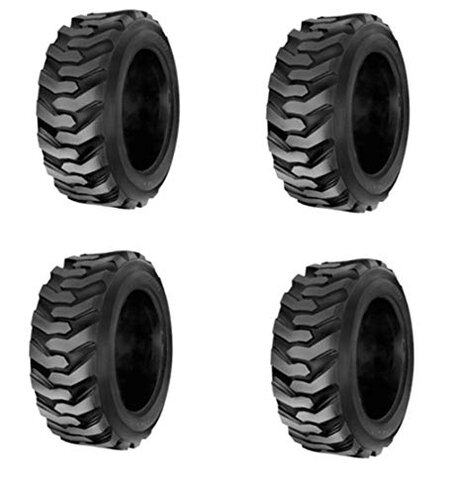
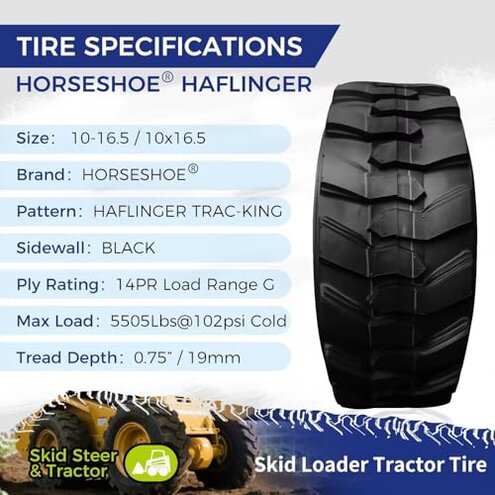
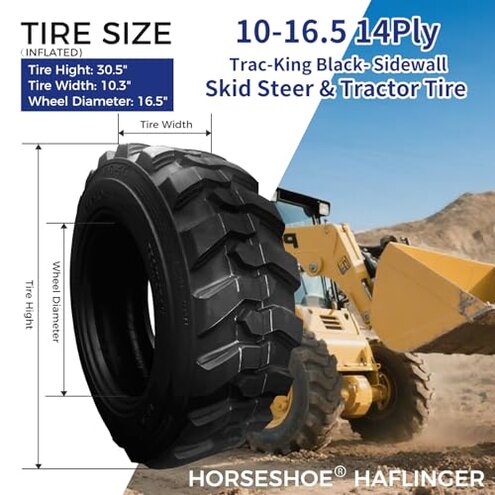
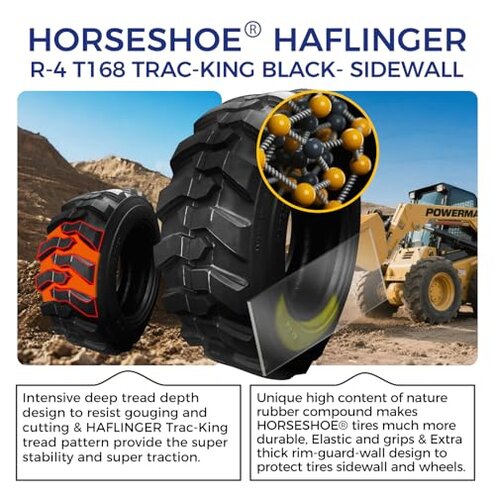
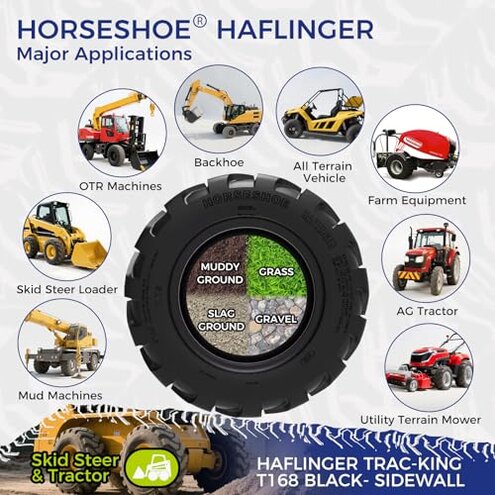
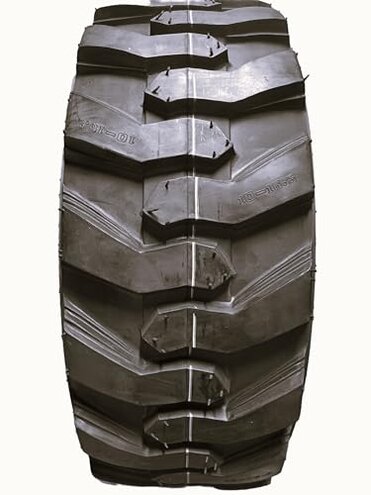
Product evaluated: HORSESHOE (4-Pack) 10-16.5 14PLY Skid Steer Loader Tractor Tubeless Tires w/Rim-Guard-Wall Heavy Duty G Load 10x16.5 NHS R-4 L2/G2 T168
Related Videos For You
Solid Skid Steer Tire vs Pneumatic Skid Steer Tire - Tire Hop Test
The Process of Dismounting and Mounting a Skid Steer Tire
Data basis: I analyzed dozens of buyer reports plus several installation videos collected between January 2021 and December 2023. Most feedback came from written reviews, supported by short video demonstrations and mounting notes. Date range covers multiple production batches over the period.
| Outcome | HORSESHOE (this listing) | Typical mid-range alternative |
|---|---|---|
| Durability | Higher wear than expected; multiple reports of premature tread wear during regular field use. | Moderate wear is common; most mid-range tires last longer under similar use. |
| Fit/Compatibility | Fit surprises reported at installation due to rim seating and rim-width sensitivity. | Smoother fit with clearer rim-width tolerance in typical mid-range options. |
| Installation effort | Extra steps often needed, such as professional mounting or bead seating tools. | Standard effort generally fits on existing mounts with less fuss. |
| Shipping condition | Damage reports appear repeatedly, including nicks and uneven treads on arrival. | Lower risk of transit damage for comparable mid-range brands with better packaging. |
| Regret trigger | Higher-than-normal risk of combined fit and wear problems that lead to early replacement. | Typical risk centers on normal wear; not usually combined with fit surprises. |
Will these tires fit my machine without surprises?
Regret moment: Buyers often discover fitment issues during first mounting, not before purchase.
Pattern: This is a primary issue that appears repeatedly and is tied to rim-width and bead seating differences.
Category contrast: Fitment problems feel worse than typical because mid-range tires usually match standard rim specs more consistently.
Are these tires wearing out too fast?
- Early signs: Premature tread thinning shows up after several weeks of heavy use, commonly reported.
- Frequency tier: This is a primary issue for many buyers, more disruptive than expected for this category.
- Main cause: Worsens on abrasive surfaces and daily heavy loads.
- Impact: Leads to extra downtime and replacement cost sooner than typical peers.
- Fix attempts: Buyers tried rotation and reduced pressure, with limited improvement.
Do tires arrive damaged or defective often?
- Arrival check: Damage at delivery appears repeatedly across batches, a secondary issue.
- Common visible defects: Nicks, sidewall scuffs, and uneven treads when unpacked.
- When noticed: Problems are most visible during initial inspection or first mounting.
- Worse conditions: Damage risk rises with poor transit handling and stacked pallets.
- Buyer impact: Mounting delays andreturned-item headaches add time and effort.
- Fixability: Some buyers received replacements; others reported mixed responsiveness to claims.
- Hidden cost: Professional mounting fees increase when a replacement is needed.
Will mounting and balancing be simple or a hassle?
- Installation friction: Tires often need extra tools or professional help during first mount.
- Usage anchor: Problems appear at first use and during heavy-duty work sessions.
- Balancing issues: Several buyers reported vibration until re-balanced professionally.
- Hidden requirement: Some rim types require non-standard bead seating, a common surprise.
- Time cost: Mounting and rework add hours versus typical plug-and-play tires.
- Expense: Extra labor and possible new valve stems raise total ownership cost.
- Longer-term impact: Poor initial mounting can speed tread wear and reduce service life.
- Mitigation: Professional mounting usually fixes issues but adds cost and delay.
Illustrative excerpts (not real quotes)
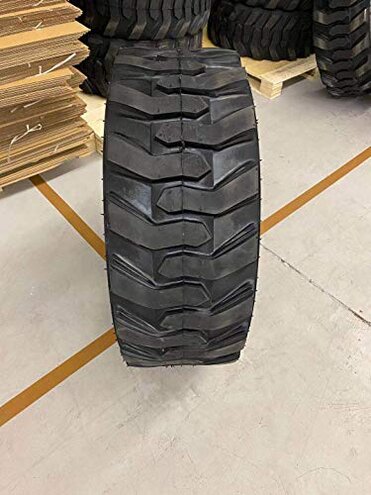
Excerpt: "Tire would not seat on my rim without a press."
Pattern: Reflects a primary fitment problem at first install.
Excerpt: "Tread wore unevenly after two weeks of yard work."
Pattern: Reflects a primary durability pattern under heavy use.
Excerpt: "One tire arrived scuffed and slightly misshapen."
Pattern: Reflects a secondary shipping/packaging issue on arrival.
Who should avoid this
- Heavy daily users: Avoid if you need long-lasting tires for constant heavy-duty work; wear reports exceed normal expectations.
- Operators with non-standard rims: Avoid if you run uncommon rim widths without a professional press; fit surprises are common.
- Buyers needing immediate uptime: Avoid if you cannot accept extra mounting time or potential replacements on arrival.
Who this is actually good for
- Budget-conscious light users: Good if you use the loader occasionally and can tolerate faster wear.
- Owners willing to prep: Good if you have access to professional mounting and accept extra installation cost.
- Short-term projects: Good for limited jobs where low initial price outweighs longer-term durability loss.
Expectation vs reality
Expectation: Reasonable for this category is that skid-steer tires fit standard rims without special tools.
Reality: This set often requires professional mounting or rim-specific adjustments, which is worse than expected.
Expectation: Typical mid-range tires wear predictably over many months under heavy use.
Reality: These tires show premature or uneven wear faster than typical peers, adding replacement cost.
Safer alternatives
- Check fit first: Verify exact rim width and bead specs before buying to neutralize fit surprises.
- Prefer reinforced packaging: Choose sellers that advertise sturdy transit packing to avoid arrival damage.
- Budget for pro mounting: Plan for professional mounting if you lack a press to prevent installation failures.
- Compare tread warranties: Pick tires with clearer wear warranties to reduce premature replacement risk.
The bottom line
Main regret: The combined risk of fitment surprises and premature wear is the main trigger buyers report.
Why it matters: This combination exceeds normal category risk because it creates both downtime and added replacement costs.
Verdict: Avoid this set unless you can accept extra mounting effort and earlier replacement, or you have professional support.
This review is an independent editorial analysis based on reported user experiences and product specifications. NegReview.com does not sell products.