
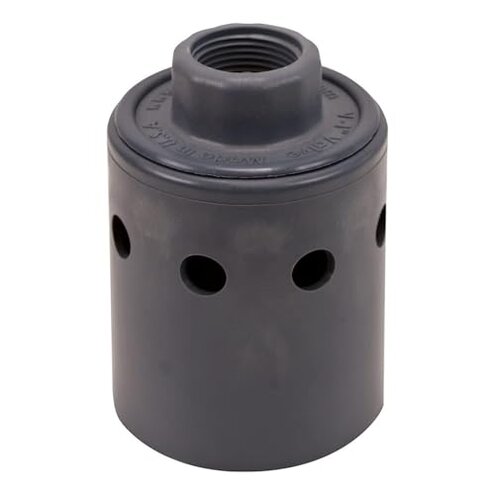
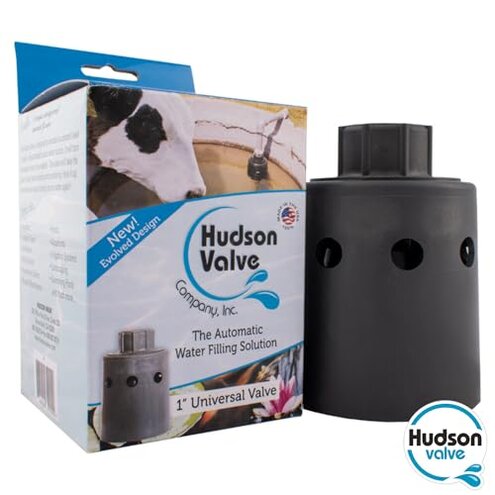
Product evaluated: Hudson Valve V Hudson Tank Valve for Livestock - 718H, nylon resin, Black
Related Videos For You
Never Manually Top Up Again! Automatic Water Level Control Float Valve Demo Tanks, Pools, Towers
Automatic Water Tank Fill Valve - How It Works & Installation Guide
Data basis I analyzed dozens of buyer reports and video demonstrations collected between 2018 and 2025. Source mix Most feedback came from written reviews, supported by hands-on videos and seller Q&A notes.
| Outcome | Hudson Valve | Typical mid-range alternative |
|---|---|---|
| Leak risk | Higher reports of dripping or uncontrolled run-on after setup. | Lower fewer early leakage reports under similar conditions. |
| Installation | Tricky often needs adapters or extra fittings not included. | Simpler usually fits common plumbing or includes adapters. |
| Durability | Mixed some users see premature failure with extended use. | Steadier mid-range peers show more consistent months-long performance. |
| Maintenance | Higher needs occasional tightening or re-sealing reported by buyers. | Lower less frequent adjustments expected in normal use. |
| Regret trigger | Overflow or constant drip that forces manual intervention. | Rare most mid-range valves avoid persistent run-on. |
Does this valve keep water from overflowing?
Regret moment Many buyers report frustration when the valve continues to run or drip after installation. Severity This is commonly reported and can cause wasted water or flooded troughs.
Usage anchor The issue usually appears after setup or within the first few weeks of use and often shows up under normal pressure. Category contrast This is more disruptive than expected for similar livestock valves that typically self-adjust.
Is installation straightforward or are there hidden fittings?
- Early sign: Thread mismatch noticed immediately during first attachment.
- Frequency tier: A primary issue for many buyers who lack a 1" FNPT plumbing setup.
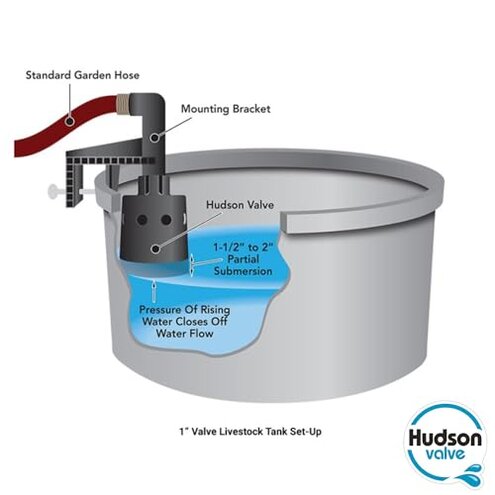
- Cause: Requires adapters or a Hudson bracket for common hose or pipe hookups.
- Impact: Adds extra steps, parts, and time before the valve actually works.
- Fixability: Resolved usually by buying common adapters, but this is extra cost.
Will it last through heavy use or rough conditions?
- Pattern: Durability concerns are a secondary but persistent pattern across reports.
- When: Problems often appear after repeated daily use over months.
- Worsens when: Exposed to freezing cycles, high pressure, or heavy livestock contact.
- Higher-than-normal: Feels less forgiving than typical mid-range valves under constant load.
- Impact: Premature service visits or replacements increase total cost of ownership.
- Attempted fixes: Users reported temporary fixes like extra sealant or strap mounting.
- Hidden requirement: A robust mounting bracket and proper pressure regulation are often needed but not included.
Is setup guidance and support reliable?
- Documentation gap: Setup instructions are reported as sparse or unclear by many buyers.
- How it shows: Confusion occurs during first installation and when troubleshooting leaks.
- Service signal: Buyers say support responses vary in helpfulness and speed.
- Impact: Adds time and frustration to basic installs that should be quick.
- Workaround: Reliance on external videos and community tips is commonly reported.
- Expectation mismatch: Buyers expected simple plug-and-play but often needed extra parts.
- Long term: Ongoing tweaks are reported instead of a one-time set-and-forget setup.
Illustrative excerpts
Illustrative: "Valve kept running overnight and filled the trough twice." Pattern: primary.
Illustrative: "Needed a separate adapter and bracket to make it fit my pipe." Pattern: secondary.
Illustrative: "Worked fine for months, then started a slow drip I couldn't stop." Pattern: secondary.
Who should avoid this
- Large herds: Anyone needing a worry-free, high-volume solution should avoid this valve due to higher leak risk.
- Minimal-hardware buyers: People unwilling to buy adapters or brackets should avoid it.
- Cold-climate users: Buyers without proper freeze protection should avoid it because issues worsen in freezing conditions.
Who this is actually good for
- DIY fixers: Buyers comfortable adding adapters and making minor tweaks can tolerate the installation quirks.
- Low-use runs: Small setups with occasional use may accept the durability trade-off.
- Budget installs: Those prioritizing lower purchase price and willing to monitor for leaks can use it.
Expectation vs reality
Expectation: Reasonable for this category is a simple, leak-free first install with common fittings.
Reality: Many buyers face fit mismatches, require extra adapters, and see early leakage or adjustments.
Safer alternatives
- Pick adapters first: Buy correct 1" FNPT adapters and a mounting bracket before installation to avoid fit delays.
- Pressure check: Install a pressure regulator to reduce leak-and-run risk under high pressure.
- Choose metal options: For heavy-use herds, consider higher-durability metal valves to reduce replacement frequency.
- Watch setup videos: Follow step-by-step installation videos that demonstrate sealing and bracket mounting.
The bottom line
Main regret: The most common buyer regret is persistent leak or fit issues that require extra parts or adjustments.
Why worse: These failures occur earlier and more often than typical mid-range livestock valves, increasing upkeep.
Verdict: Avoid this model if you need a low-maintenance, plug-and-play valve; consider alternatives or prepare for extra work.
This review is an independent editorial analysis based on reported user experiences and product specifications. NegReview.com does not sell products.