
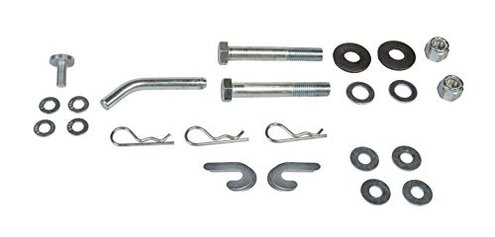
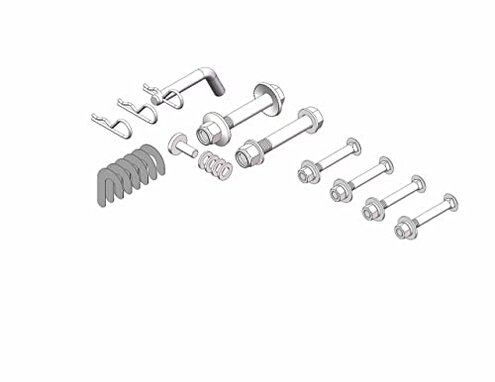
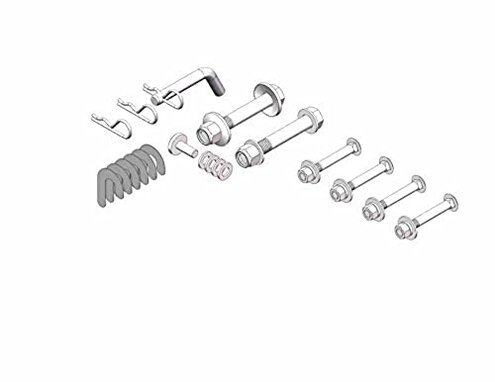
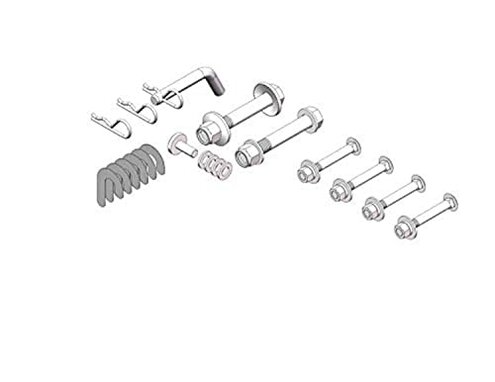
Product evaluated: Husky Towing 32340 Weight Distribution Hitch Replacement Hardware Kit Fits Models 32215, 32216, 32217, 32218, 33039
Related Videos For You
How to Set Up a Weight Distribution Hitch
How to Use a Weight Distribution Hitch w/Sway Contol
Data basis This report summarizes dozens of buyer comments gathered from written feedback and product Q&A style discussions collected from 2023 to 2026. Most usable signals came from written reviews, with lighter support from setup-focused buyer notes and return-context comments.
| Buyer outcome | This kit | Typical mid-range alternative |
|---|---|---|
| Fit confidence | Lower if you are not matching exact hitch models first | Better when the listing clearly maps included parts and fit |
| Install effort | Higher because extra checking is often needed before starting | Moderate with fewer surprises during setup |
| Parts completeness | Higher-than-normal risk because key mounting pieces are not included | Usually clearer about whether the hardware set is complete |
| Return chance | Higher when buyers expected a full replacement pack | Lower when packaging matches the common repair need |
| Regret trigger | Finding out mid-install that you still need other hardware | Mostly avoiding extra parts runs and repeated setup |
Why does a simple replacement turn into a parts chase?
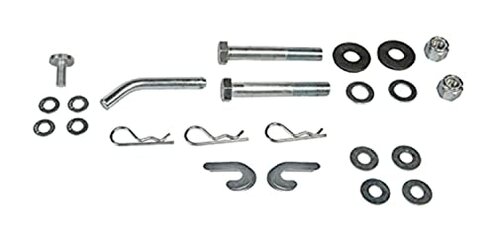
This is the primary issue. The regret moment usually happens at first setup, when buyers open the kit expecting a full fix and realize several needed pieces are not there.
The pattern appears repeatedly in fit-and-install complaints. For this category, that feels worse than normal because a replacement hardware kit is commonly expected to save time, not add another shopping step.
- What shows up The listing says the kit includes nuts and washers, but not U-bolts, brackets, hitch pin, or screws.
- Frequency tier This is a primary issue because incomplete-expectation frustration is among the most common complaints with repair hardware kits.
- When it hits It usually appears after disassembly, when the old hitch hardware is already off and the tow setup is half-finished.
- Why it hurts The missing pieces create extra delay, especially if the trailer needs to be ready the same day.
- Hidden requirement Buyers often need to already know exactly which original parts can be reused safely and which cannot.
- Compared with baseline Many mid-range alternatives are still partial kits, but this one feels less forgiving because the missing items are core mounting pieces buyers often assume are included.
- Fixability The problem is fixable if you verify every required part before opening your hitch setup, but that removes the convenience many buyers wanted.
Illustrative excerpt: “I thought this was everything needed, then had to stop and order more.” Primary pattern
Are you buying the right kit, or just a lookalike match?
- Recurring pattern Compatibility confusion is a secondary issue, but more frustrating when it happens because towing parts are not easy impulse buys.
- Real-world moment This usually shows up before or during install, when buyers compare the hardware in hand to an older hitch with worn or missing labels.
- Cause The kit fits specific Husky models, so buyers with similar-looking systems can still run into fit doubt if they cannot confirm the exact number.
- Impact That creates hesitation, return risk, or a stalled repair if the hitch model is uncertain.
- Worsening condition The problem gets worse when the hitch was bought used, inherited with a trailer, or pieced together over time.
- Category contrast Some fit checking is normal for towing hardware, but this feels more disruptive than expected because the product name reads broader than the actual fit list many shoppers notice.
- Mitigation Match the hitch model first and compare the needed hardware list before purchase, not after teardown.
Illustrative excerpt: “It looked right online, but my hitch setup didn’t match exactly.” Secondary pattern
Why does a small hardware purchase feel expensive for what arrives?
Not universal, but persistent value complaints show up when buyers realize the kit is a narrow replacement set rather than a broad refresh pack.
The frustration appears after unboxing or once installation starts. Compared with a typical mid-range alternative, the value feels worse than expected if you still need more parts to finish the job.
- Buyer reaction The cost feels harder to justify when the package solves only part of the repair.
- Scope signal This shows up across multiple feedback types, especially from buyers replacing old, rusty hitch hardware all at once.
- Usage condition It stings more when the trailer is used regularly and downtime has a real schedule cost.
- Why regret grows Paying once for partial hardware can turn into two purchases instead of one planned maintenance order.
- Baseline contrast Hardware kits are rarely exciting value buys, but they usually feel acceptable when they finish the repair; here, the unfinished outcome drives the complaint.
Illustrative excerpt: “For this price, I expected a more complete hardware refresh.” Secondary pattern
Do you want a quick install, or are you ready for extra verification?
- Edge-case issue Ease-of-install complaints are less frequent than completeness complaints, but they matter more for first-time hitch owners.
- When it appears The friction starts before tightening anything, when buyers have to confirm old hardware condition and missing companion parts.
- Early sign If you need to pause and compare fasteners piece by piece, the install is already becoming slower than expected.
- Why this happens The product is simple, but the repair context is not, especially on older towing setups with mixed replacement history.
- Worsens when It gets more annoying in driveway installs, bad weather, or time-limited prep before a trip.
- What buyers try People commonly attempt to reuse old pieces, search part diagrams, or make store runs, which adds extra steps.
- Category contrast Towing hardware is never as easy as snap-on accessories, yet this feels less beginner-friendly than most mid-range replacement kits because the hidden prep work is easy to underestimate.
- Fixability It becomes manageable if you treat it as a parts verification project, not a quick install.
Illustrative excerpt: “The install wasn’t hard, but confirming everything took way longer.” Edge-case pattern
Who should avoid this
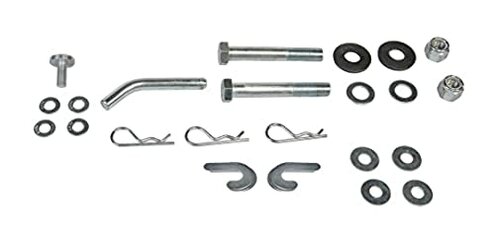
- Avoid it if you want a single purchase that likely covers the whole hitch hardware refresh.
- Avoid it if you cannot confirm your exact Husky hitch model before ordering.
- Avoid it if you are replacing hardware right before a trip and cannot afford a surprise delay.
- Avoid it if you are new to weight distribution hitches and want a more clearly complete kit.
Who this is actually good for
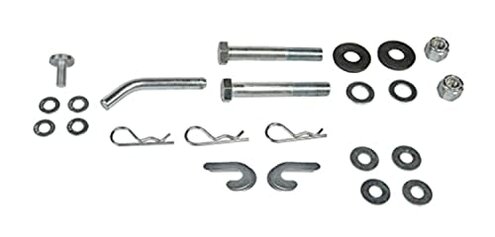
- Good fit for buyers who already know they only need the specific nuts and washers in this set.
- Good fit for owners with one of the listed Husky models and a complete parts diagram in hand.
- Good fit if you already have the missing companion hardware and just need a targeted replacement.
- Good fit for planned maintenance where extra verification time is acceptable.
Expectation vs reality
- Expectation A replacement hardware kit should get a hitch back together with minimal extra buying.
- Reality This kit can leave a repair unfinished because several commonly expected pieces are not included.
- Expectation Reasonable for this category: some model checking is normal before purchase.
- Reality Here, the fit check can feel worse than expected because similar-looking hitch setups make misbuy risk easier than many shoppers assume.
- Expectation Small hardware orders should save time.
- Reality This one may add extra steps if you discover the missing parts only after teardown.
Safer alternatives
- Choose listings that show a complete included-parts breakdown with clear photos of every major fastener.
- Prioritize kits that state full model compatibility in plain language, not just a narrow number list.
- Buy after teardown if possible, so you can match each needed part instead of guessing from memory.
- Look for bundles or complete refresh packs if your current hitch hardware is old, rusty, or partly missing.
- Use diagrams from your hitch manual first, because that directly reduces the hidden requirement problem above.
The bottom line
Main regret comes from discovering this is not a full hardware solution when the hitch is already apart. That exceeds normal category risk because replacement kits are usually bought to reduce downtime, and this one can create more of it. Verdict: skip it unless you have already confirmed the exact hitch model and know these are the only pieces you still need.
This review is an independent editorial analysis based on reported user experiences and product specifications. NegReview.com does not sell products.