
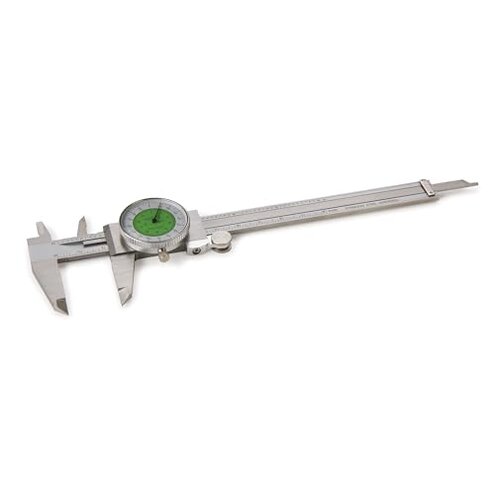
Product evaluated: iGAGING 6-Inch 150 mm Dial Caliper, Dual Reading Scale, Metric and SAE Standard Measurement
Related Videos For You
You are using your calipers wrong! Let me explain why...
Adam Savage's Favorite Tools: Dial Caliper
Data basis: Dozens of user-written reviews and a set of independent video demonstrations were examined, collected between 2020 and 2026. Most feedback came from written reviews, supported by video demonstrations, with patterns extracted across buyer reports and hands-on clips.
| Outcome | iGAGING 6" Dial | Typical mid-range caliper |
|---|---|---|
| Accuracy | Inconsistent readings reported more often than expected for a new caliper. | Stable readings are common out of the box with mid-range alternatives. |
| Durability | Wear and loose gears appear repeatedly after moderate use. | Better longevity is typical for mid-range units with fewer reported slips. |
| Ease of use | Dial adjustment often needs extra fiddling during first uses. | Ready-to-use feel is usual for comparable calipers. |
| Maintenance risk | Requires frequent calibration, a higher-than-normal category risk for casual users. | Less upkeep is expected from mid-range competitors. |
| Regret trigger | Measurement uncertainty undercuts precision work and increases rework. | Consistent precision reduces rework for typical alternatives. |
Top failures
Why does the dial wander between measurements?
Regret moment: Users report getting different readings for the same part, creating doubt in a precision task.
Pattern: This is a commonly reported issue, especially during the first few weeks of use.
Usage anchor: It shows up on first use and after repeated handling when the slide isn't perfectly smooth.
Category contrast: This feels worse than normal because most mid-range calipers hold zero and need less frequent adjustment.
What causes frequent zeroing and calibration needs?
- Early signs: The dial requires re-zeroing after removal from its case or after several measurements.
- Frequency tier: This is a primary issue for many buyers, not an occasional annoyance.
- Probable cause: Backlash or loose dial internals are commonly reported as the root cause.
- Impact: Frequent recalibration adds time and undermines trust during inspection tasks.
- Attempted fixes: Buyers often tighten the dial or re-seat the slider, which gives only temporary relief.
Why does the slide feel gritty or sticky over time?
- Early sign: The thumb roller feels rough within days or weeks of light use.
- Persistence: This is a secondary issue seen across written and video reports.
- When it worsens: It gets worse under daily handling or in dusty workshop environments.
- Cause: Lack of smooth grinding or finishing on the slide is commonly cited.
- Impact: Gritty travel causes uneven pressure, altering readings for delicate measurements.
- Fixability: Light lubrication helps but is a hidden maintenance requirement many buyers did not expect.
- Category contrast: Most mid-range calipers are smoother out of the box and need less immediate care.
Where do reliability and long-term wear cause trouble?
- Failure mode: Scales or the dial face can loosen or become hard to read after months of use.
- Scope: This is a less frequent but persistent complaint that crops up with repeated shop use.
- Environment effect: Exposure to chips, coolant, or humidity accelerates the problem.
- Impact: Worn markings or loose gears lead to measurement rework and service costs.
- User attempts: Buyers report using protective cases and careful handling as only partial remedies.
- Hidden requirement: Regular checks and occasional parts tightening are needed for reliable precision.
- Category contrast: This product is less forgiving than many mid-range alternatives when used daily.
Illustrative excerpts (not actual quotes)
Excerpt 1: "Dial drifted after a week, gave different values on repeat checks." — primary pattern.
Excerpt 2: "Thumb roller stuck with light dust, needed oiling to move smoothly." — secondary pattern.
Excerpt 3: "Zero kept changing between measurements even with gentle touch." — primary pattern.
Excerpt 4: "Scale faded after months in the shop; markings harder to read." — edge-case pattern.
Who should avoid this
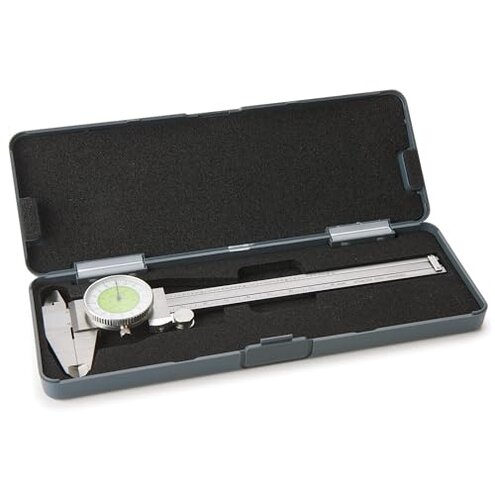
- Precision inspectors: Avoid if you need consistent, repeatable mic measurements without extra checks.
- High-volume shops: Avoid if you plan daily heavy use without time for maintenance.
- Casual buyers who dislike maintenance: Avoid if you do not want to perform regular calibration.
Who this is actually good for
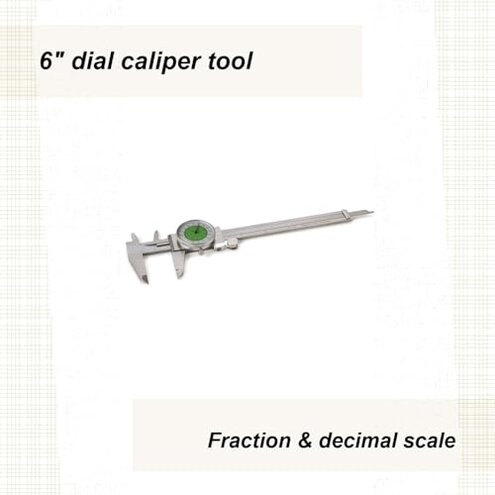
- Hobbyists doing occasional checks: Good if you accept occasional recalibration and want a low-cost dial feel.
- Non-critical workshop tasks: Suitable where rough measurements are acceptable and tool cost matters more than precision.
- Buyers comfortable with maintenance: Works if you regularly clean and lubricate tools and can tighten parts.
Expectation vs reality
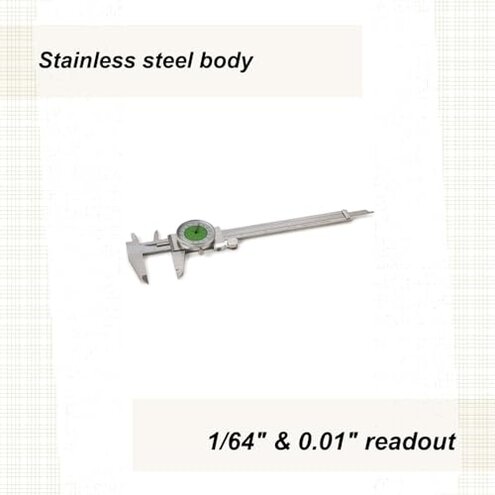
Expectation: Reasonable for this category is a stable zero out of the package that requires little initial adjustment.
Reality: The iGAGING model often needs frequent zeroing and slight adjustments, which is worse-than-expected.
Expectation: Reasonable buyers expect a smooth slide with minimal upkeep.
Reality: The slide may feel gritty and demand lubrication and handling care.
Safer alternatives
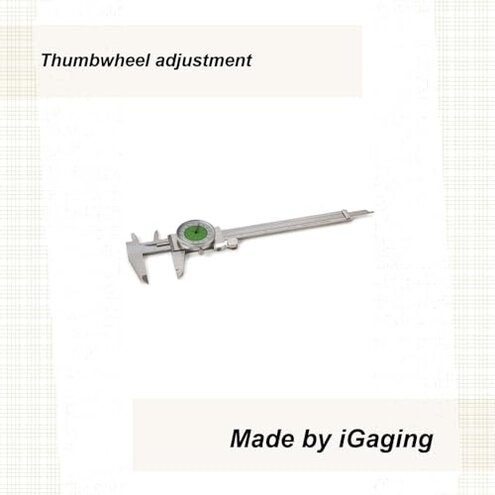
- Look for solid reviews on accuracy: Choose calipers noted for stable zero to avoid frequent recalibration.
- Prefer sealed dials or digital models: Sealed dials or digital readouts reduce the backlash and maintenance risk.
- Check for hardened slides: A smoother, well-finished slide reduces the chance of a gritty feel.
- Buy from sellers with clear return policies: This mitigates the risk of early failure and calibration issues.
The bottom line
Main regret: Measurement uncertainty caused by dial drift and slide issues is the core problem buyers report.
Why it matters: These faults exceed normal category risk because they add time, recalibration, and rework for precision tasks.
Verdict: Avoid this iGAGING caliper if you need reliable, repeatable measurements without ongoing maintenance.
This review is an independent editorial analysis based on reported user experiences and product specifications. NegReview.com does not sell products.