
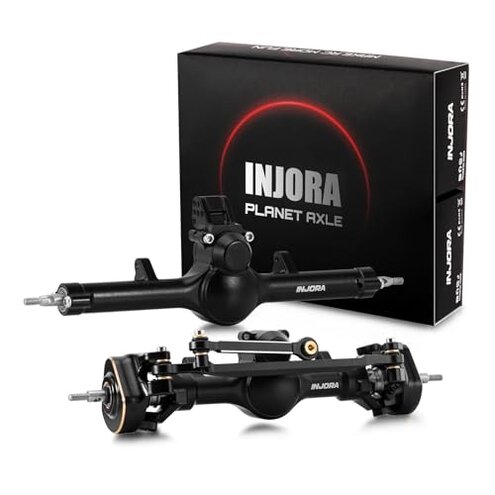
Product evaluated: INJORA +4mm Planet Front Rear Axles with Double Joint Shafts & Brass Steering Knuckles for 1/24 Axial SCX24 Upgrade(Black)
Related Videos For You
LGRP ULTRA 24 SCX24 BUILD - Chassis Assembly, Super 8 Axles, Shock Setup & More!
NEW Injora Pro Steer Double Joint SCX24 Axles!
Data basis: We analyzed dozens of buyer reports spanning written reviews and video demonstrations, collected between Dec 2024–Feb 2026. Most feedback came from written reviews, supported by hands-on videos and build logs. This report focuses on repeated patterns and setup-time observations.
| Outcome | INJORA SCX24 Axles | Typical mid-range alternative |
|---|---|---|
| Stability | Wider stance but needs tuning to avoid binding after install. | Balanced width with fewer setup adjustments out of the box. |
| Compatibility | Hidden mount requirement — only fits specific SCX24 mounts without extra parts. | More universal fit for common SCX24 setups and stock parts. |
| Installation | Complex install that frequently needs custom adjustments and hardware swaps. | Simpler install with common hardware and fewer surprises. |
| Durability | Mixed reports — robust components but alignment issues can cause premature wear. | Consistent durability for comparable price with fewer alignment risks. |
| Regret trigger | High risk of wasted time and extra parts for buyers expecting plug-and-play. | Lower risk when buying a mid-range option with broader fitment. |
Top failures
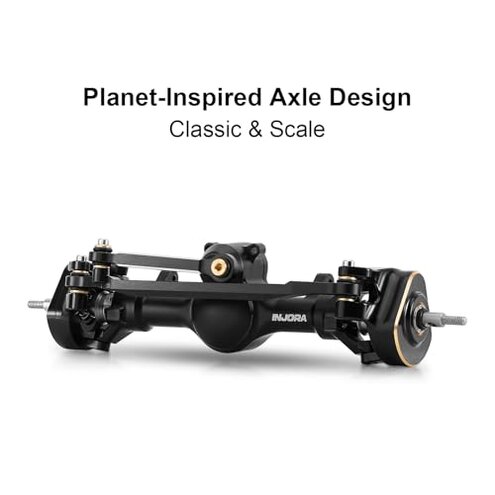
Will this fit my SCX24 without extra parts?
Fitment shock: Buyers commonly hit this problem during first install and feel misled about plug-and-play claims.
Pattern: This is a primary issue that appears repeatedly in feedback and build logs.
Context: The failure shows up at setup when your stock rear link mount is not compatible and you lack the INJORA truss mount.
Category contrast: Unlike many mid-range axles that are broadly compatible, this product has a hidden mount dependency that increases prep time and cost.
Why is install so fiddly and what breaks the build?
- Early sign: Shims or spacers required immediately after first trial fit.
- Frequency tier: This is a secondary but common complaint among buyers who attempted DIY installs.
- Cause: Shorter steering link geometry and added width force unexpected alignment changes.
- Impact: You may need extra screws, washers, or a different mount to finish the build.
- Fixability: Fixes exist but often require extra parts and bench time beyond typical mid-range kits.
Does the axle affect drivability or cause vibration?
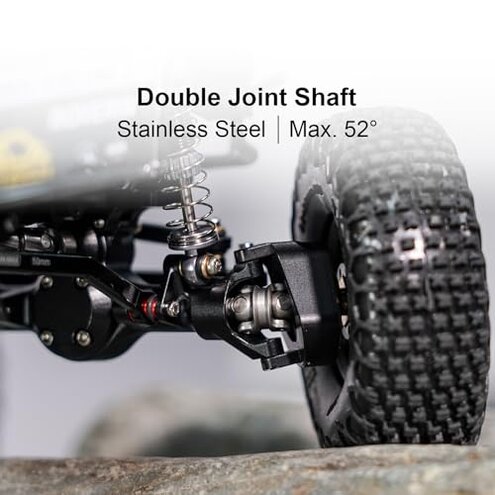
- Reported effect: Some users notice increased wheel vibration when turning at extreme angles during first outings.
- Pattern: This is a secondary but persistent issue tied to shaft alignment and joint geometry.
- Usage anchor: Vibration appears during driving, worse on long sessions and aggressive steering.
- Cause: The double joint shaft design reduces some vibration, but misalignment amplifies it.
- Impact: Expect extra tuning time to eliminate binding or wobble before reliable trail use.
- Attempts: Common user fixes include re-centering axles and swapping link lengths, which adds hours to setup.
- Hidden requirement: Proper performance often relies on additional mounts or link changes not included with the kit.
Is the price justified given the extra work?
- Value concern: At the listed price, many buyers call this a primary regret when extra parts are needed.
- Expectation gap: Buyers expect a drop-in upgrade but often get a project that adds cost.
- Frequency tier: This complaint is commonly reported among first-time upgraders.
- Impact: You may spend as much again on mounts or machining to reach intended function.
- Workload: The additional bench time is more than typical mid-range upgrades.
- Trade-off: Some users accept the look and weight benefits despite extra effort.
- Repairability: When damaged, aligned setups need careful rework that is harder than stock parts.
- Buyer tip: Confirm compatibility and prepare a parts list before purchase to avoid regrets.
Illustrative excerpts
illustrative: "Fitted it and found my stock mount wouldn't accept the axle without adapters."
Note: Reflects a primary pattern of hidden compatibility problems.
illustrative: "Steering felt rough until I re-centered the driveshafts and added spacers."
Note: Reflects a secondary pattern around alignment and vibration.
illustrative: "Nice look, but I spent hours and extra cash to finish the build."
Note: Reflects an edge-case pattern of value regret for some buyers.
Who should avoid this
- New builders: Avoid if you want a true plug-and-play upgrade without extra parts or mechanical experience.
- Budget buyers: Avoid if you cannot absorb extra cost from required mounts or hardware changes.
- Casual drivers: Avoid if you lack patience for additional tuning or alignment sessions before trail use.
Who this is actually good for
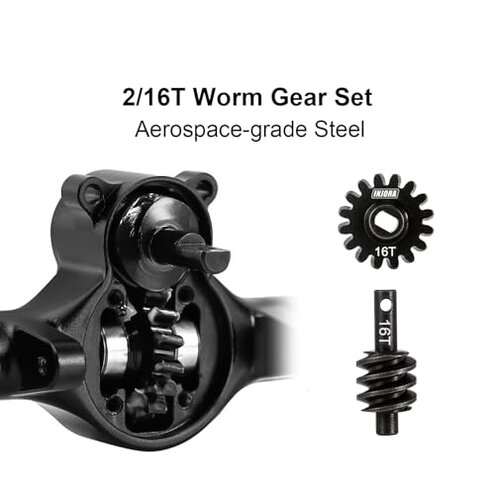
- Experienced hobbyists: Good if you can perform modest modifications and expect to tune geometry.
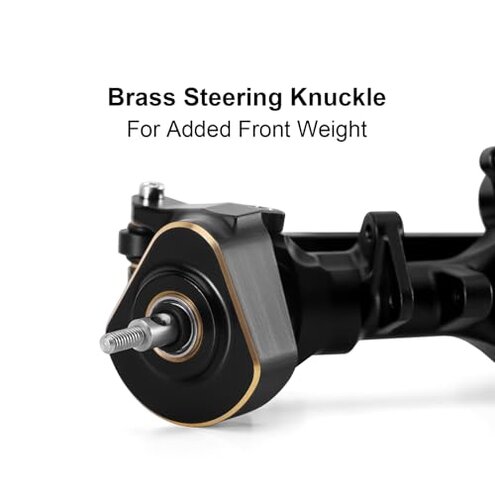
- Scale-focused builders: Good if the planet-shaped axle styling and added weight meet your visual goals despite extra work.
- Modders with parts: Good if you already own compatible SCX24 truss mounts or spare link hardware.
Expectation vs reality
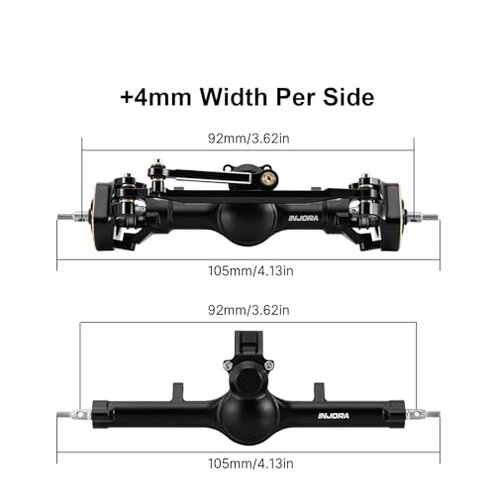
- Expectation (reasonable): Many buyers expect a drop-in fit for SCX24 upgrades.
- Reality (worse): This product often requires additional mounts and tuning, increasing time and cost.
- Expectation (reasonable): Upgraded axles should improve stability without added vibration.
- Reality (worse): Misalignment commonly introduces steering vibration until corrected.
Safer alternatives
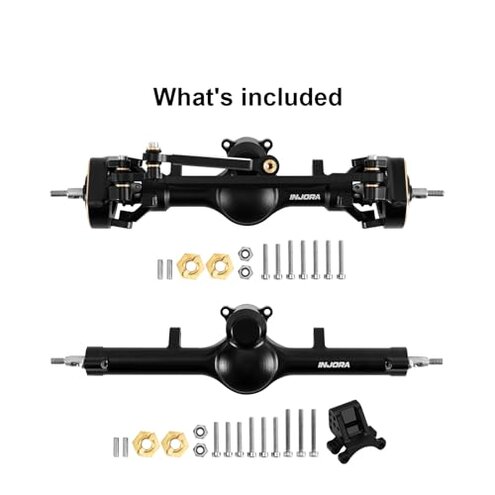
- Check fitment first: Confirm your stock rear link mount or buy the INJORA truss mount before ordering.
- Buy a kit: Prefer axle kits that include mounting hardware to avoid hidden extra purchases.
- Choose universal mounts: Look for alternatives marketed as "universal" or "broad fit" for fewer surprises.
- Prioritize install ease: If you dislike bench time, pick mid-range axles praised for drop-in installs.
- Prep tools: Have shims, spacers, and basic machining gear ready if you proceed.
The bottom line
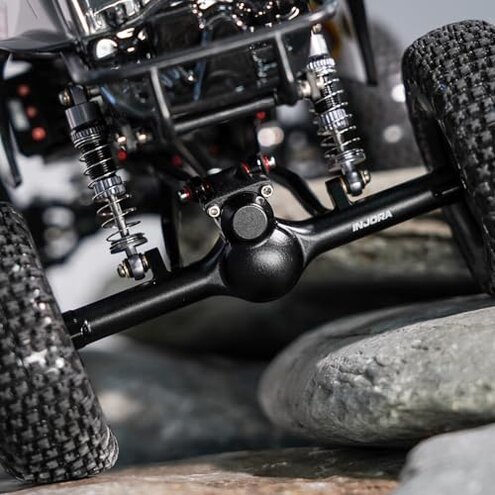
Main regret: The product's hidden compatibility and fitment requirements often turn a simple upgrade into a multistep project.
Why worse: This exceeds normal category risk because many mid-range alternatives install with less extra hardware and tuning.
Verdict: Avoid this axle upgrade unless you accept extra parts, bench time, and compatibility checks before buying.
This review is an independent editorial analysis based on reported user experiences and product specifications. NegReview.com does not sell products.