
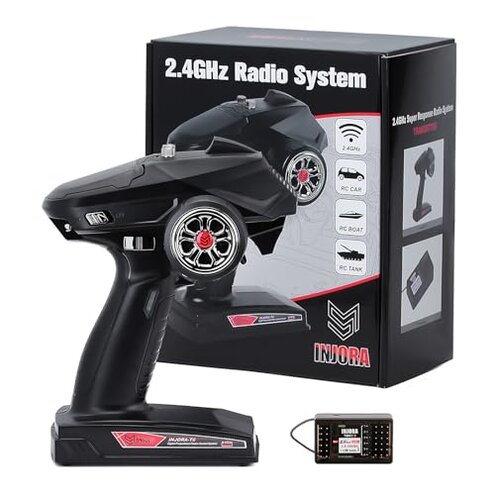
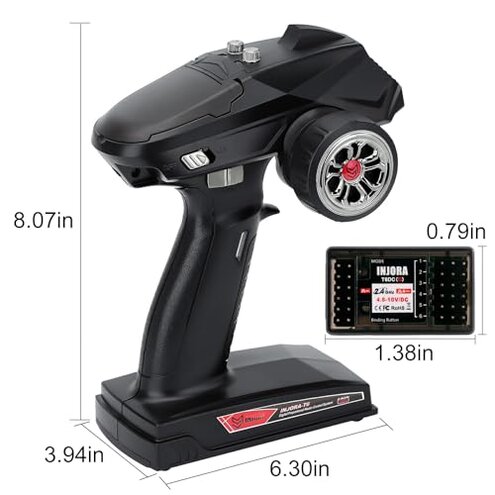
Product evaluated: INJORA RC Transmitter 2.4GHz 6CH Controler and Receiver with Gyro Remote Inside Receiver for 1/8 1/10 RC Car Boat Tanks Crawler TRX4 SCX10 Upgrade Parts(T6DCG)
Related Videos For You
Flysky FS GT3B How To Program And Bind Receivers
Data basis Dozens of buyer reports and video demos were reviewed between 2020 and 2025, with most feedback coming from written reviews supported by hands-on videos. Source mix Written reviews provided setup and failure patterns while videos confirmed real-time dropouts and binding steps.
| Outcome | INJORA T6DCG | Typical mid-range |
|---|---|---|
| Connection stability | Unreliable frequent dropouts at longer range and around obstacles. | Stable fewer dropouts and predictable range performance. |
| Binding / setup | Confusing hidden steps required for reliable binding. | Straightforward simple pairing and clear instructions. |
| Controls & feel | Mixed some units report loose knobs and inconsistent feedback. | Consistent better ergonomic feel in most mid-range radios. |
| Support risk | Higher-than-normal risk for unresolved firmware or binding problems. | Lower vendor support and firmware updates more predictable. |
| Regret trigger | Primary connectivity issues that stop a session early. | Secondary minor range or setup annoyances. |
Top failures
Why does this cut out mid-drive?
Connection dropouts are among the most common complaints and they create immediate regret when driving. When issues appear mostly during longer runs or behind obstacles, users lose control unexpectedly.
Pattern Recurring reports confirm the problem during real-world driving, not just in bench tests. Contrast This is worse than typical mid-range radios because interruptions occur more often and with less warning.
Why is binding so fiddly?
- Hidden step Many buyers found a required sequence for receiver binding that is not obvious from the manual.
- Secondary pattern This appears repeatedly across written reviews and video guides.
- When it shows The binding issue appears at first setup and after firmware or battery changes.
- Category contrast Most mid-range transmitters bind with one routine; this one needs extra steps and trial-and-error.
- Impact Users lose time and need extra tools or patience to get a reliable bind.
Why do controls feel cheap or inconsistent?
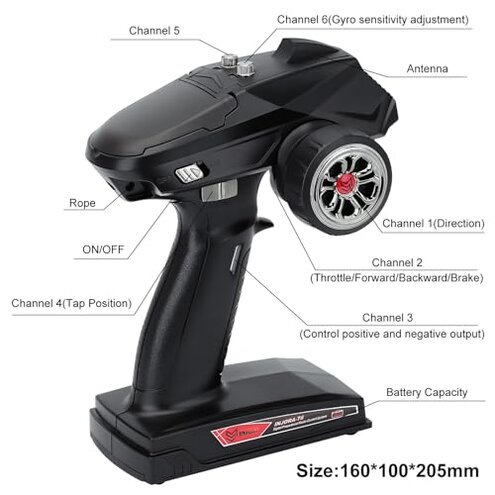
- Build quality Buyers often report loose knobs and variable trigger feel compared with peers.
- Frequency This is a secondary complaint seen across product photos and hands-on reviews.
- When Wear shows up after repeated handling or during longer sessions.
- Cause Likely lighter internal parts that allow drift or wobble under use.
- Attempts Some users tighten linkages or replace knobs to improve feel.
- Fixability Repairs add time and cost, making this more effortful than typical replacements.
Why is gyro and mixing setup frustrating?
- Documentation gap The manual lacks clear, step-by-step gyro and mix setup examples.
- Less frequent This is less common than dropouts but far more frustrating for beginners.
- When The problem appears during tune-up sessions and when trying to enable advanced mixes.
- Hidden requirement External tuning tools or trial-and-error are often needed for useful results.
- Impact Poorly tuned gyro leads to unstable steering or unpredictable responses on the track.
- Category contrast Mid-range radios usually provide clearer presets; this one demands more manual tuning.
- Workaround Users rely on community guides or third-party tools to finish setup.
Illustrative excerpts
Illustrative: "Stops responding when passing behind trees, lost control twice quickly." Pattern: primary problem.
Illustrative: "Had to rebind after changing battery; manual didn’t show the steps." Pattern: secondary problem.
Illustrative: "Knob feels loose after a few runs; I tightened it myself." Pattern: edge-case problem.
Who should avoid this
- Range-focused pilots who need long stable connections should avoid it because dropouts interrupt sessions more than usual.
- Beginners who need plug-and-play binding should avoid it due to hidden setup steps and confusing docs.
- Users unwilling to tinker should avoid it because fixes often require manual adjustments or external help.
Who this is actually good for
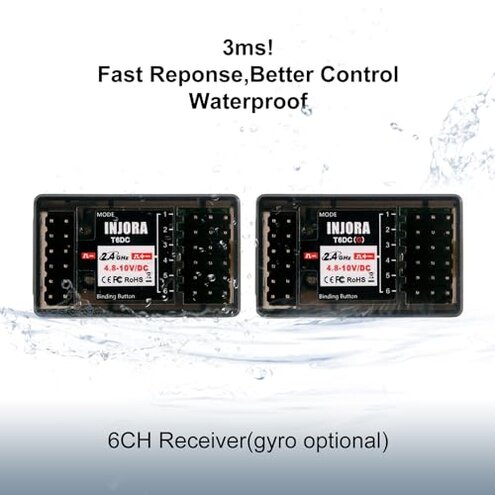
- Tinkerers who like to modify gear and fix binding quirks can tolerate the setup work.
- Budget upgraders wanting extra channels and a gyro can accept trade-offs for the lower price.
- Experienced hobbyists who use community guides can handle the manual tuning and occasional repairs.
Expectation vs reality
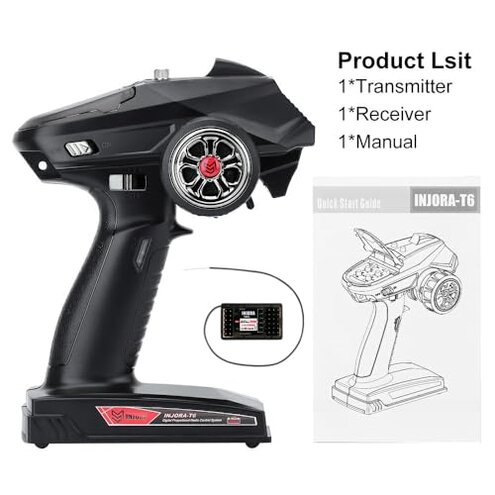
- Expectation Reasonable for this category: simple binding and stable range like most mid-range radios.
- Reality You often face extra binding steps and intermittent dropouts that interrupt sessions.
- Expectation Controls feel consistent and durable.
- Reality Some units exhibit loose knobs or inconsistent trigger feel after use.
Safer alternatives
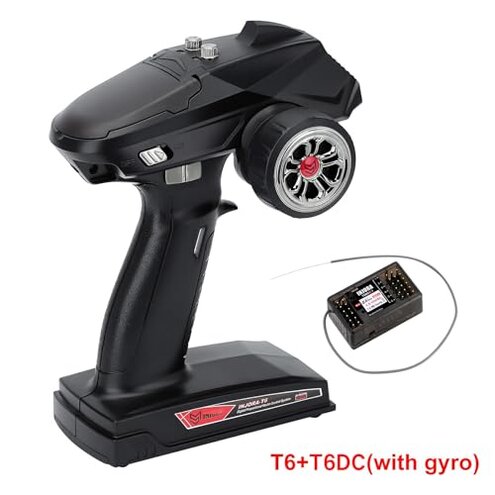
- Choose radios with explicit one-step binding to avoid hidden pairing steps.
- Pick models with verified range testing to reduce dropout risk in real-world conditions.
- Prefer units with clearer gyro presets to avoid heavy manual tuning.
- Check community guides before buying to confirm real user stability and support patterns.
The bottom line
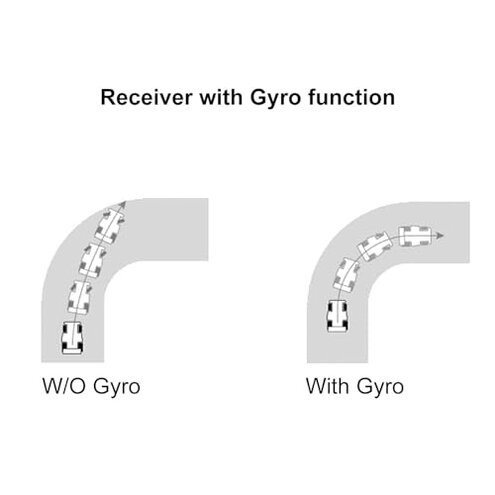
Main regret The primary issue is unreliable connectivity and fiddly binding that stop sessions early. Why worse These failures occur more often than typical mid-range transmitters and need extra fixes or tinkering. Verdict Avoid this controller unless you are prepared to troubleshoot and modify it.
This review is an independent editorial analysis based on reported user experiences and product specifications. NegReview.com does not sell products.