
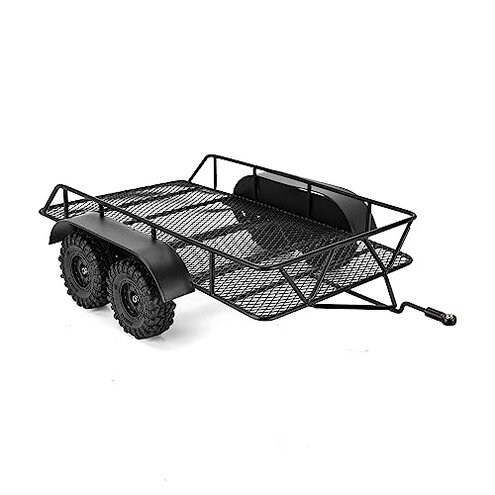
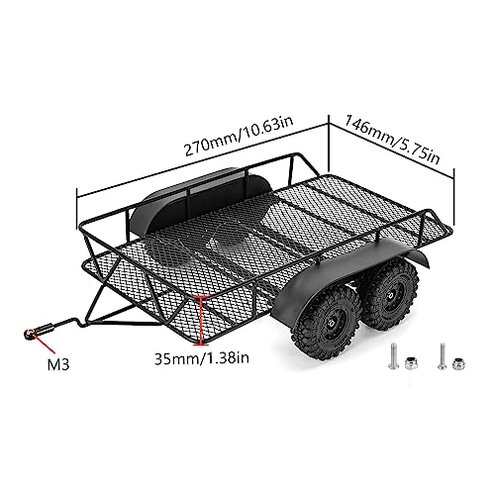
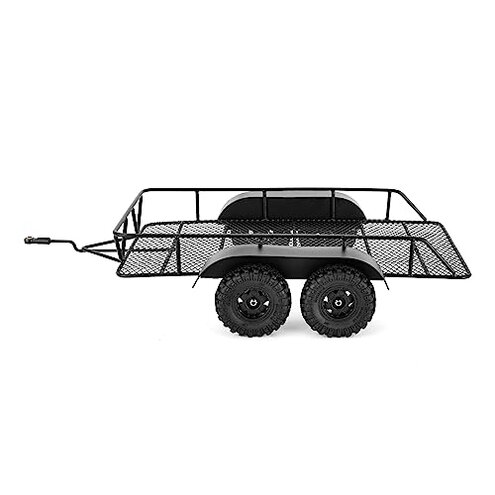
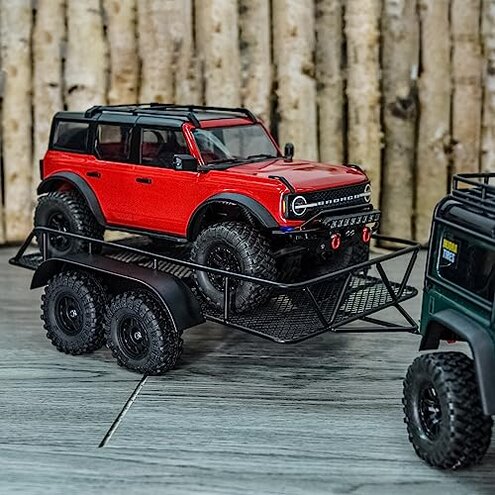
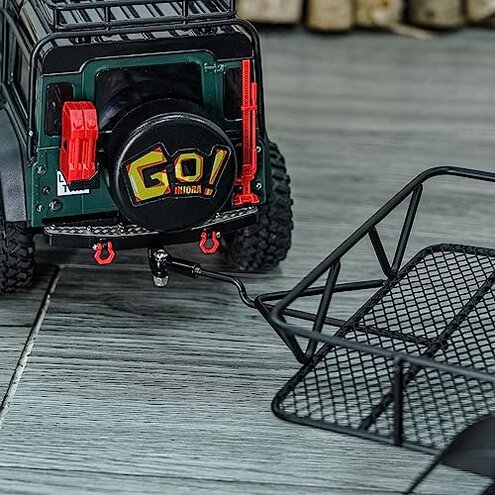
Product evaluated: INJORA RC Trailer for Hauling Behind Car - Metal Hitch Mount Trailer for 1/18 RC Crawler TRX4M Defender Bronco K10 High Trail F150, 543g/each
Related Videos For You
RC Haulers That Steal the Show! Bold RC & Power Hobby Trailers
Incredible RC trailer +1/10 scale 8 pound crawler towing 55 pounds.
Dozens of written reviews and video demonstrations were scanned for this report, collected between 2023 and 2025. Most feedback came from written reviews, supported by a smaller set of video demos and buyer photos.
| Outcome | INJORA trailer | Typical mid-range trailer |
|---|---|---|
| Hitch compatibility | Loose fit reported across many setups, often needs extra hardware to secure. | Snug fit with common hitches and fewer modifications. |
| Durability | Premature wear on wheels and axles appears repeatedly under light use. | Better longevity with similar-priced alternatives. |
| Assembly & parts | Hidden steps required like swapping bumper brass parts for fit on certain rigs. | Fewer hidden steps and clearer fit guidance. |
| Towing behavior | Instability shown when hauling heavier loads or on rough terrain. | More predictable towing at similar price points. |
| Regret trigger | Higher-than-normal risk of install rework and early repairs during routine use. | Lower risk of mid-season fixes for most buyers. |
Top failures
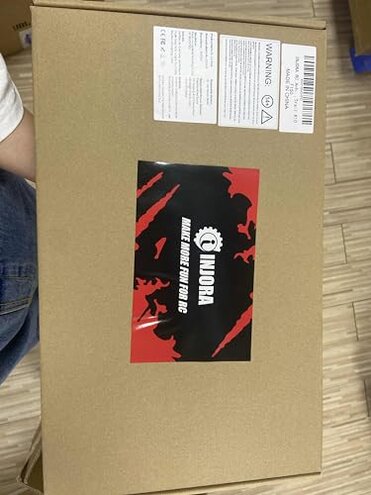
Does the trailer actually fit your RC hitch reliably?
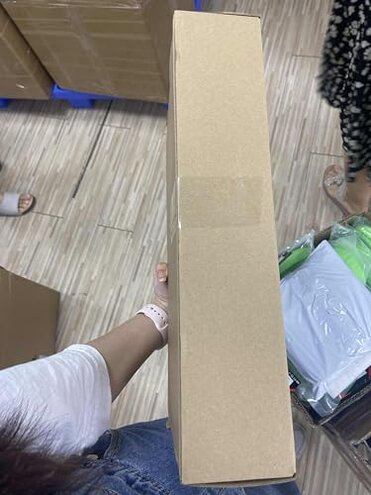
Regret moment is when buyers try to mount the trailer and the ball or pin doesn’t seat cleanly. Severity can force extra parts or a second purchase to adapt the hitch.
Pattern is recurring across many reports and is not universal. Usage shows up at first setup and when switching between rigs. Category contrast is this is worse than typical mid-range trailers, which usually fit common aftermarket hitches without extra hardware.
Why do wheels and axles wear out so fast?
- Early signs include rough rolling and wobble after only a few light uses.
- Frequency tier is a primary issue for many buyers rather than a rare complaint.
- Likely cause appears to be low-impact wheel materials and axle stress under load.
- Impact means added maintenance time and replacement parts sooner than expected.
- Fixability is possible but requires sourcing replacement wheels or reinforcing axles.
Is assembly straightforward or are parts missing or awkward?
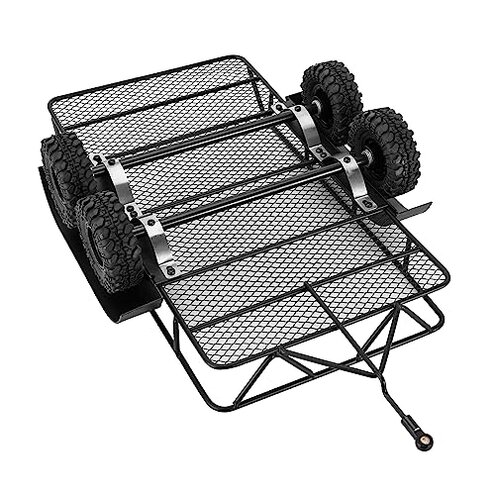
- Assembly pain often comes from small screws and non-standard fittings that need fabricating.
- Hidden requirement appears when using certain bumpers: buyers must remove a brass ball and install a screw for fit.
- Attempted fixes include 3rd-party screws, washers, or DIY shims to stop slop.
- Impact on time is increased assembly time versus similar products that include exact-fit hardware.
- Repair cost is a secondary pain because parts fitment can be unpredictable.
- Category contrast is this requires more DIY skill than the typical mid-range accessory.
Will the trailer tow stably during real use?
- Trail behavior can be unstable when hauling anything heavier than a light load.
- Worsening conditions include rough terrain and long runs, which amplify sway and dragging.
- Frequency is a secondary but consistent issue for buyers who tow often.
- Why it feels worse is because many mid-range trailers manage modest loads without pronounced sway.
- Attempts to fix include rebalancing loads and stiffening the hitch connection.
- Impact is higher risk of accidental detachment or damage during events or trail runs.
- Hidden cost is added time and parts to make it usable for frequent towing.
Illustrative excerpts
Illustrative: "Hitch didn’t sit; I had to buy extra screws and shims." — primary pattern
Illustrative: "Wheels wobbled after two spins on pavement." — primary pattern
Illustrative: "Needed to remove bumper brass ball to fit my TRX4M." — secondary pattern
Who should avoid this
- Frequent haulers who tow often on rough terrain should avoid this due to higher instability and wear.
- Buyers needing plug-and-play assembly should avoid this because it requires extra parts and modifications.
- Shoppers who dislike DIY repairs should avoid this because fixes are commonly needed.
Who this is actually good for
- Hobby tinkerers who enjoy modding and can accept extra assembly time will tolerate fit and part swaps.
- Light-use owners who only haul tiny loads occasionally and accept possible early wear.
- Budget-minded buyers willing to trade immediate out-of-box polish for a lower price and DIY fixes.
Expectation vs reality
Expectation for this category is a trailer that fits common hitches without changes. Reality is buyers often need extra hardware or bumper changes to achieve a secure fit.
Expectation is reasonable mid-range durability for light towing. Reality is premature wheel and axle wear under normal use, creating extra cost and time.
Safer alternatives
- Check compatibility first by confirming hitch ball size and bumper requirements before buying to avoid fit problems.
- Choose reinforced axles or specify higher-durability wheels when shopping to neutralize premature wear.
- Prefer products with full-fit hardware and clear instructions to avoid hidden assembly steps.
- Consider a tested mid-range trailer that lists weight capacity and proven towing stability for similar budgets.
The bottom line
Main regret is frequent hitch-fit and early wear problems that add time and extra parts. Why it exceeds risk is this product requires more DIY fixes than typical mid-range trailers, raising ownership cost. Verdict avoid if you need reliable, out-of-box towing performance.
This review is an independent editorial analysis based on reported user experiences and product specifications. NegReview.com does not sell products.