
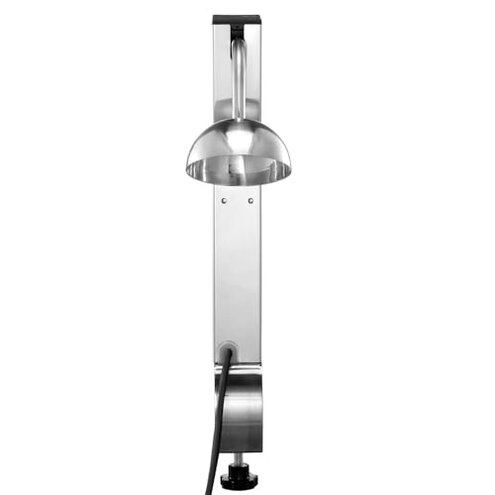
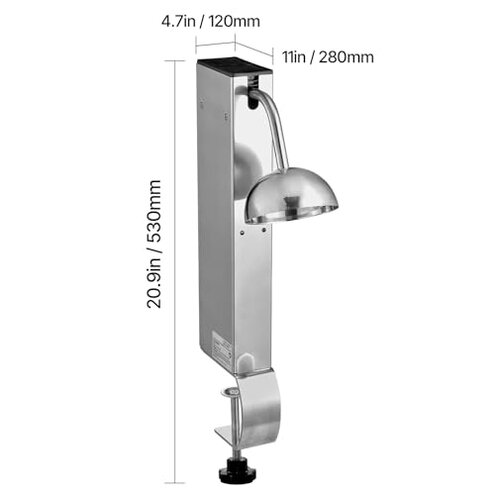
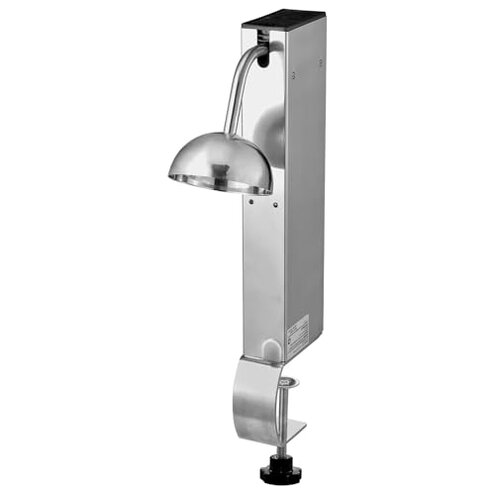
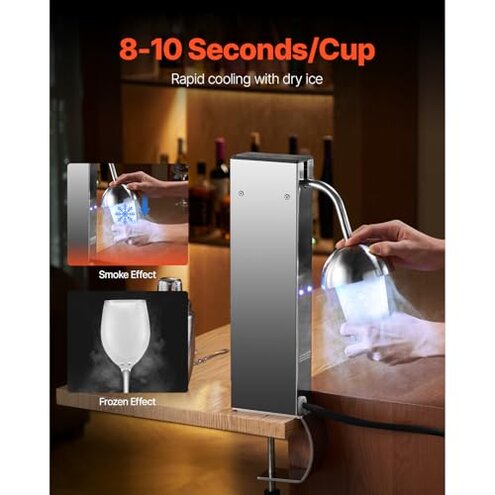
Product evaluated: Instant Glass Froster Chiller,CO2 Powered,8-10 Seconds/Cup,for Wine,Cocktail,Champagne,Mixed Drinks and Juice.for Bar,Restaurant and Home Kitchen
Related Videos For You
Thrill glass chiller
How to Maintain a Chiller | G&D Chillers
Data basis: This report is built from dozens of buyer-written reviews and several video demonstrations collected between Nov 2023 and Jan 2026. Most feedback came from written reviews, supported by a smaller set of videos and Q&A posts.
| Outcome | Instant Glass Froster | Typical mid-range chiller |
|---|---|---|
| Cooling consistency | Variable — commonly reported uneven chills across uses. | Predictable — most mid-range units deliver steady results. |
| Setup & consumables | Hidden CO2 needs and extra steps to operate. | Simple — usually plug-and-play or standard ice methods. |
| Durability | Mixed — reports of early failures after repeated use. | Better — similar-priced alternatives show fewer early faults. |
| Noise & disruption | Louder than buyers expect for home use. | Quieter — many mid-range chillers are lower-noise. |
| Regret trigger | Safety & ongoing cost — handling CO2 and replacing cartridges. | Lower — cheaper ongoing costs and simpler supplies. |
Top failures
Is handling CO2 risky or annoying?
Regret moment: Buyers notice safety and handling friction when first hooking up the CO2 cylinder.
Pattern: This is a commonly reported issue that appears repeatedly in early setup feedback.
Usage anchor: It shows up during first use and when replacing cartridges after regular sessions.
Category contrast: Handling pressurized gas makes this chiller feel less forgiving than typical home beverage accessories.
Why does chilling feel inconsistent?
- Early signs: Some cups chill quickly while others stay tepid during the same session.
- Frequency tier: This is a primary issue and appears repeatedly across buyer reports.
- Cause: Performance varies with cup shape, fill level, and CO2 pressure.
- Impact: The inconsistent result makes hosting more stressful than expected.
- Fix attempts: Buyers tried reorientation and multiple cycles with mixed success.
Does setup cost more than expected?
- Hidden requirement: Requires CO2 cylinders and possibly adapters not obvious at purchase.
- Supply burden: Replacement CO2 adds ongoing cost and trips to refill.
- When it hurts: Costs rise with frequent use like busy bars or events.
- Failure scope: This is a secondary but persistent pattern in buyer feedback.
- Effort: Installation often needs a steady hand and basic gas-connection skill.
- Workaround: Some buyers buy bulk cylinders, but that raises storage and safety needs.
- Category contrast: More upkeep than most mid-range drink chillers.
Will it break or stop working early?
- Signs: Reports of units failing after repeated sessions are common enough to note.
- When it appears: Problems often surface after several weeks of normal use.
- Symptoms: Leaks, poor seals, and intermittent firing were described repeatedly.
- User attempts: Buyers tried tightening fittings, which sometimes helped temporarily.
- Repairability: Replacement parts are not obviously available, increasing downtime.
- Hidden cost: Early failure raises total cost relative to alternatives.
- Category contrast: Less durable than typical mid-range alternatives, which increases regret risk.
- Fixability: When service helps, the process is slower than expected for consumer products.
Illustrative excerpts
"Hard to hook up the CO2 safely without prior experience." — primary pattern
"Random cups were icy, others barely cool in same run." — primary pattern
"Stopped working after heavy weekend use; then a leak appeared." — secondary pattern
"Needed special adapter not noted in listing before purchase." — edge-case pattern
Who should avoid this
- Non-technical buyers: If you want plug-and-play simplicity, avoid this due to gas handling needs.
- High-volume hosts: Frequent events magnify CO2 costs and wear, creating high regret.
- Noise-sensitive users: If you need quiet appliances, this unit is louder than expected.
Who this is actually good for
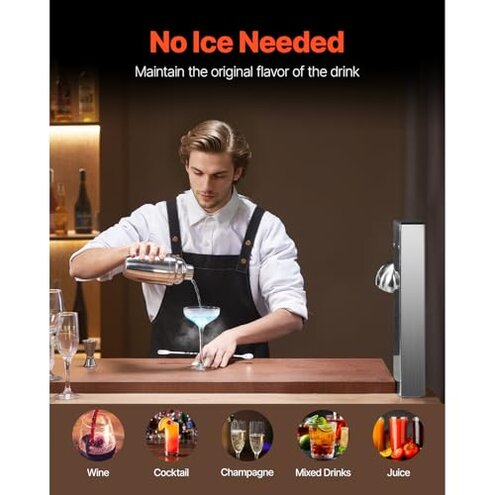
- Experienced bartenders: Will tolerate CO2 handling because speed beats convenience during service.
- Occasional entertainers: Those who use it rarely can accept the consumable cost for the novelty.
- Commercial demos: Venues with trained staff and spare parts may absorb durability issues.
Expectation vs reality
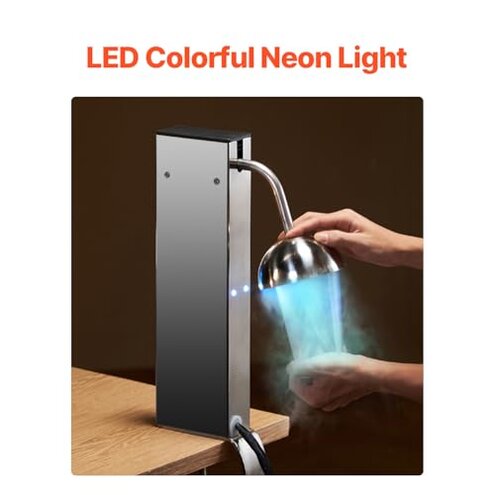
Expectation: Reasonable for category — buyers expect quick chilling with some upkeep.
Reality: This unit adds significant ongoing CO2 cost and setup friction beyond that reasonable baseline.
Expectation: Durable for regular use.
Reality: More early failures reported than typical mid-range chillers, increasing service hassle.
Safer alternatives
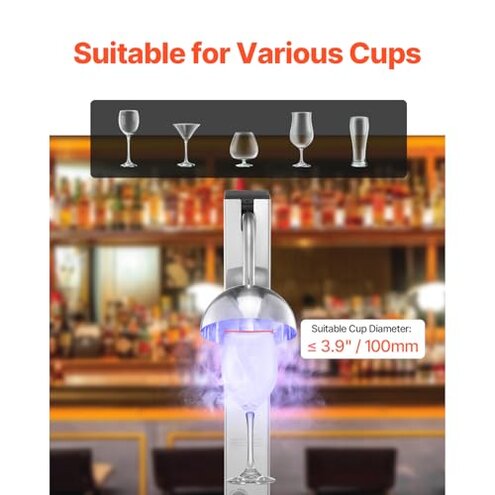
- Pick electric chillers: Choose plug-in models to avoid CO2 handling and hidden consumables.
- Prioritize reliability: Look for units with clear replacement parts and longer user-tested lifespans.
- Check noise ratings: If home use matters, prefer models advertised for quiet operation.
- Confirm consumables: Buy systems with widely sold cylinders or standard fittings to reduce hidden adapters.
The bottom line
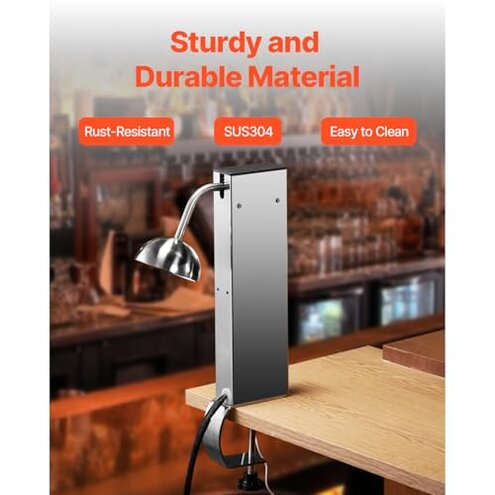
Primary regret: CO2 handling and inconsistent performance are the clearest buyer pain points.
Risk level: These issues exceed normal category friction because they add safety, cost, and durability concerns.
Verdict: Avoid this product unless you accept gas handling, ongoing consumable costs, and potential early repairs.
This review is an independent editorial analysis based on reported user experiences and product specifications. NegReview.com does not sell products.