
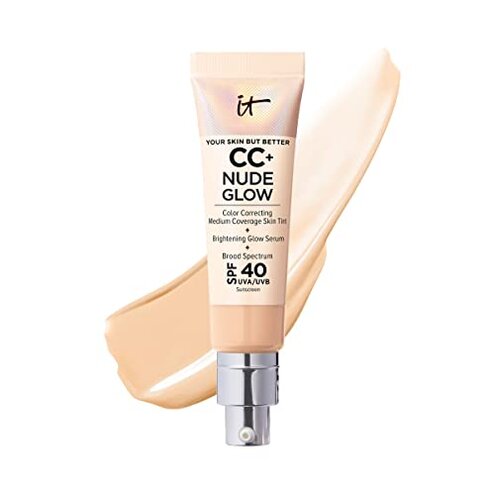
Product evaluated: IT Cosmetics CC+ Nude Glow (Light Medium) - Medium Coverage Foundation with SPF 40 & Brightening Glow Serum, Lightweight Skin Tint, 2% Niacinamide + Hyaluronic Acid, Up to 24H Hydration - 1.08 fl oz
Related Videos For You
WEAR TESTING THE NEW e.l.f HALO GLOW SKIN TINT SPF50 AT AN OUTDOOR WEDDING
Color Matching Foundation: Step-by-Step Guide
Data basis: This report is based on dozens of buyer impressions collected from written feedback and video-style demonstrations between 2022 and 2026. Most input came from short written wear-test comments, with added context from longer routine breakdowns and side-by-side application clips.
| Buyer outcome | This product | Typical mid-range option |
| Shade confidence | Higher risk of looking off once blended, especially if you order by name alone. | Moderate risk, but usually more forgiving in undertone. |
| Glow control | Less predictable if you want skin-like finish instead of shine. | More balanced finish for mixed skin types. |
| Daily wear | More upkeep than normal when layering sunscreen, primer, or powder. | Usually simpler to wear with fewer adjustments. |
| Skin tolerance | Notable risk for sensitive users, which feels higher than normal for this category. | Typical sensitivity risk for a tinted SPF base. |
| Regret trigger | Paying full price and still needing extra products to control color, shine, or wear. | Lower regret if expectations are basic coverage and easier matching. |
Why does it look flattering at first, then a little wrong in daylight?
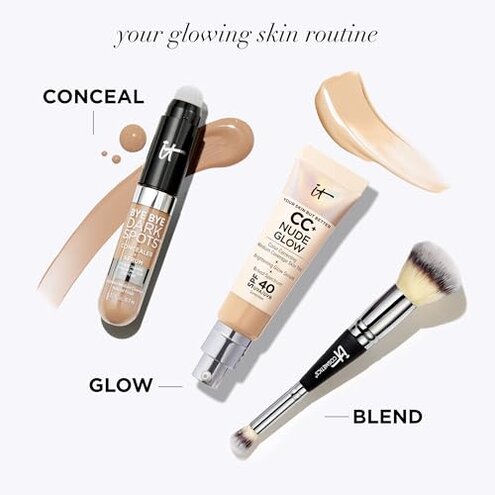
Primary issue: Shade mismatch appears among the most common complaints. The regret moment usually happens on first use, then gets worse outdoors or after the product fully sets.
Pattern: This is recurring, not universal, and it shows up most when buyers trust the listed shade name without testing undertone in natural light. Compared with a typical mid-range skin tint, this feels less forgiving because a glowy finish can make a near-match look more obvious.
- Early sign: The color can seem fine right after blending, then look more pink, peach, or slightly off after a few minutes.
- When it hits: The mismatch is easiest to notice during daily wear in daylight, mirrors near windows, or phone camera photos.
- Frequency tier: This is a primary complaint, and it appears repeatedly across mixed skin-tone feedback.
- Impact: Buyers often end up using bronzer, mixer drops, or neck blending just to make it look natural.
- Hidden requirement: You may need a careful undertone match, not just the right depth, which adds trial-and-error that many expect to avoid at this price.
Illustrative: “Looked good in the bathroom, then too rosy in the car mirror.” Primary pattern because the issue commonly appears after full set and daylight check.
Does the glow turn into shine faster than you expected?
- Core problem: The finish looking too shiny is a secondary complaint, but it is more frustrating than expected when it happens.
- Usage moment: It usually shows up after a few hours of daily wear, especially on combination skin or in warm rooms.
- Pattern signal: This is persistent across glow-finish feedback, even from buyers who wanted a dewy look.
- Why it stings: In this category, some extra glow is normal, but this can require more blotting or powder than many mid-range alternatives.
- Trade-off: You get a brighter finish, but sometimes lose the “bare skin” look the product name suggests.
- Attempts: Buyers commonly try setting powder, lighter application, or skipping moisturizer underneath.
- Fixability: The issue is partly manageable, but that adds extra steps that reduce the convenience of a one-step base.
Illustrative: “I wanted healthy glow, not lunchtime forehead shine.” Secondary pattern because it appears repeatedly, though not for every skin type.
Why can it feel fussier than a simple skin tint?
Regret point: One reason people step back from this product is the extra routine work. The friction usually appears during morning application when buyers expect quick blend-and-go coverage.
Pattern: This is a secondary issue, seen across feedback from people layering skincare, SPF, powder, or brush application. Compared with a typical mid-range base, it can feel higher effort because the formula asks for more adjustment to get the best finish.
What buyers notice: Some need a smaller amount, different prep, or a specific blending method to avoid excess shine or uneven-looking coverage. That hidden learning curve is more annoying because the product is marketed like a shortcut.
Why this matters: If you are paying for convenience, needing to test prep steps, tools, and setting products can turn a premium-feeling item into a trial-and-error routine.
Illustrative: “Nice on the third try, but too much work before coffee.” Secondary pattern because the problem is repeated mainly during setup and routine building.
Does sensitive skin react badly enough to cancel out the skincare claims?
- Main concern: Skin irritation or breakouts is a less frequent than shade issues, but more serious when it occurs.
- When it appears: The problem usually shows up after first use or after several days of repeated wear.
- Pattern signal: It is an edge-case to secondary complaint, but it appears persistently among sensitive-skin buyers.
- Real impact: A product meant to simplify the base routine can end up forcing a full stop, patch testing, or return attempt.
- Category contrast: Mild sensitivity is normal in face products, but this feels worse than expected because it combines complexion use with long wear and SPF expectations.
- Mitigation: The safest move is a patch test before full-face wear, especially if tinted SPF products often bother your skin.
Illustrative: “My skin looked bright, then felt angry by evening.” Edge-case pattern because it is not universal, but the downside is high.
Will medium coverage still leave you buying another product?
- Coverage reality: The medium coverage level can disappoint buyers expecting stronger redness or spot masking from a CC-style product.
- Usage anchor: This shows up on first application when trying to cover uneven tone, post-acne marks, or more noticeable discoloration.
- Pattern: This is a secondary complaint that appears repeatedly among buyers comparing it with fuller-coverage CC products.
- Why it feels worse: In this category, lighter coverage is fine if wear is effortless, but here some buyers still need concealer and powder.
- Cost effect: That means extra products and extra steps, which weakens the value of the all-in-one pitch.
- Fixability: You can build coverage somewhat, but that may reduce the lightweight feel people bought it for.
- Who notices most: Buyers with visible discoloration tend to feel the trade-off more than those only evening out mild tone differences.
Illustrative: “Too sheer for my redness, too glowy to ignore.” Secondary pattern because it recurs mainly for buyers wanting more correction.
Who should avoid this
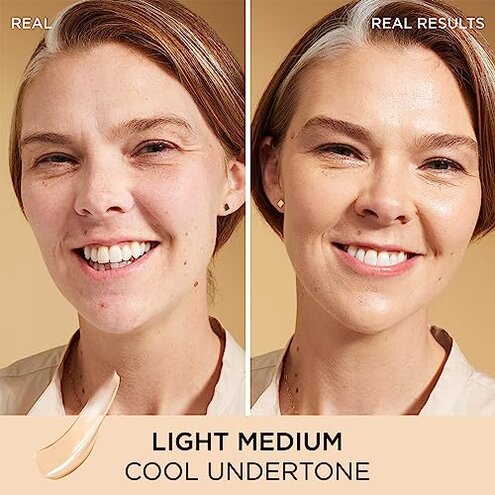
- Avoid it if shade matching is usually hard for you, because undertone mistakes appear more often than many expect.
- Skip it if you have combination or oily skin and dislike midday powder, blotting, or finish adjustments.
- Pass here if your skin reacts easily, since even a less frequent sensitivity issue is more disruptive on a face product.
- Look elsewhere if you want one-step coverage for redness or dark marks without concealer backup.
Who this is actually good for
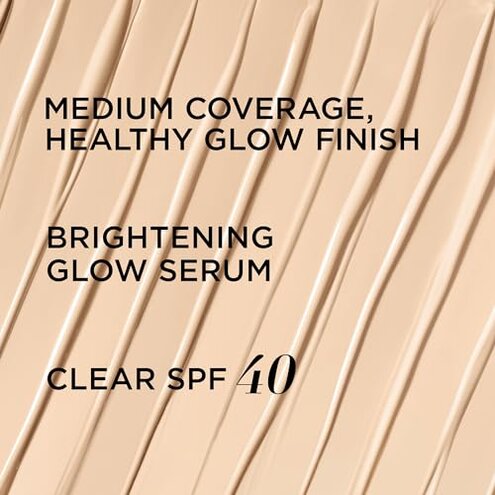
- Good fit for normal to dry skin buyers who want glow and can tolerate some shine as the trade-off.
- Works better for people with mild uneven tone, where medium coverage is enough and color correction demands are lower.
- Makes sense if you already test shades carefully in daylight and do not rely on shade names alone.
- Better choice for users comfortable adding powder or concealer, because the formula is easier to like with backup products.
Expectation vs reality
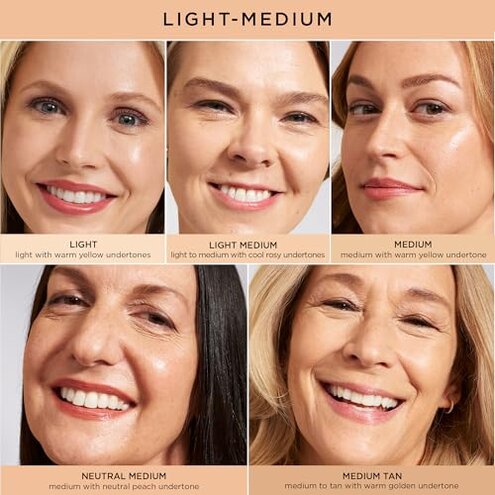
Expectation: A CC-style product should give easy tone evening with little guesswork.
Reality: Shade accuracy can be less reliable than expected, so matching may take more effort than a reasonable category baseline.
Expectation: A nude glow finish should look healthy but still controlled.
Reality: Shine buildup can cross from glow to greasy faster during daily wear, especially on mixed skin.
Expectation: A one-step base with SPF should save time.
Reality: Extra setup is commonly needed through prep, powder, concealer, or careful application method.
Safer alternatives
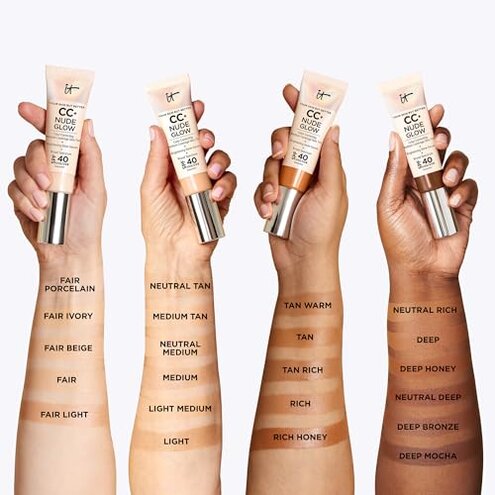
- Choose testers or retailers with easy shade exchange if undertone mismatch has burned you before.
- Pick satin finishes over glow-first formulas if midday shine is already a recurring problem for you.
- Prioritize simpler bases if you want true fast mornings, because this one may ask for more routine tuning.
- Patch test first with any tinted SPF base if your skin is reactive, since face irritation has a high regret cost.
- Buy by coverage need and not product type name if you need redness masking, because medium coverage may not replace concealer.
The bottom line
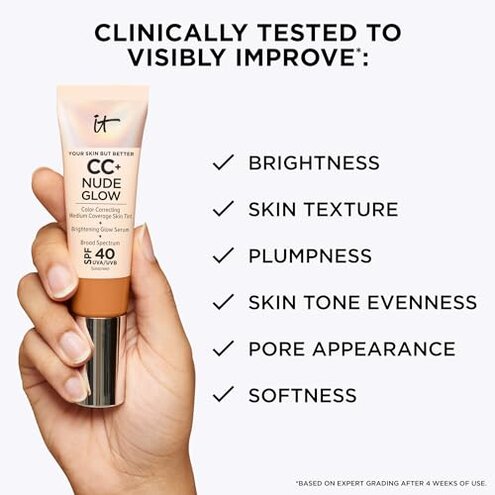
Main regret trigger: Buyers pay for a convenient glow base, then run into shade mismatch, extra shine control, or more setup than expected. That exceeds normal category risk because this kind of product is supposed to reduce steps, not add them.
Verdict: Avoid it if you need easy color matching, controlled finish, or reliable one-product coverage. It fits best only if you already like glowy bases and can tolerate some trial-and-error.
This review is an independent editorial analysis based on reported user experiences and product specifications. NegReview.com does not sell products.