
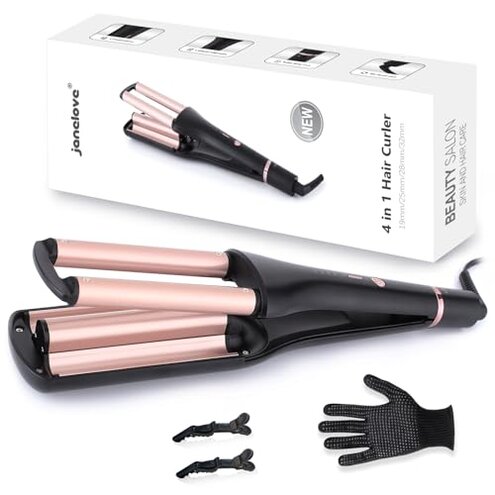
Product evaluated: janelove 4 in 1 Adjustable Hair Waver, Waver Curling Iron, Hair Crimpers and Wavers, Deep Waver, Create 4 Types of Waves-0.87in-1in-1.1in-1.25in, 5 Temps with LED Display, Ideal Gifts for Women
Related Videos For You
Do Heat Wavers REALLY Work? | Which of these 5 Hair Wavers is BEST?
What will this VIRAL DEEP WAVER give for the short hair girlies!?? vc: Laura Lee #hairstyles #hair
Data basis: This report draws from dozens of buyer comments collected from written feedback and short video-style demonstrations between 2025-04 and 2026-04. Most feedback came from written reviews, with extra context from visual styling demos that showed setup, hand feel, and real-use results.
| Buyer outcome | janelove 4 in 1 | Typical mid-range alternative |
|---|---|---|
| Learning time | Higher effort because adjustable wave sizes add extra setup choices before styling. | Lower effort with one fixed pattern and fewer decisions. |
| Result consistency | Less predictable during daily use if section size and clamp timing are not very consistent. | More forgiving for repeatable waves with basic technique. |
| Hand comfort | More tiring in longer sessions because the tool is listed at 1.65 pounds. | Usually easier to handle for full-head styling. |
| Heat risk | Higher-than-normal category risk because it reaches up to 446°F, which can punish mistakes faster. | Moderate heat range is often easier to manage. |
| Regret trigger | Buying for speed but getting a tool that often needs more technique than expected. | Buying for simplicity and getting closer to that expectation. |
Why do the waves look different on each section?
Primary issue: The most common regret moment is finishing one side and seeing the pattern look less even than expected. This tends to show up during first uses and stays frustrating if you wanted quick, repeatable results.
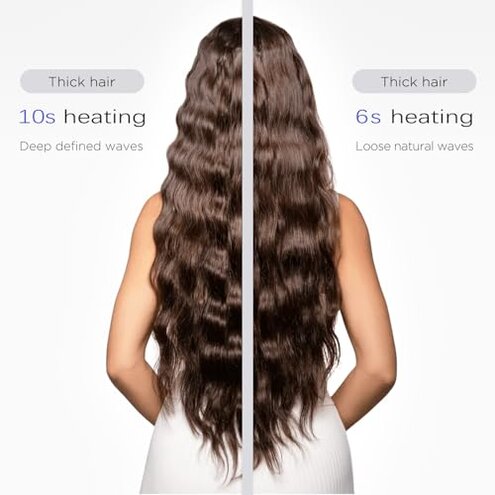
Recurring pattern: Feedback commonly points to a real trade-off here. The adjustable design gives more looks, but it also asks for more control over section size, hold time, and placement.
- When it starts: It usually appears after setup, once buyers begin switching between wave sizes or styling larger sections.
- Why it happens: The hidden requirement is precision; you need steadier sectioning and more uniform clamp timing than many expect.
- How common: This is a primary complaint, appearing more often than smaller annoyances like storage or display preferences.
- Why it feels worse: A reasonable category baseline is that a mid-range waver should be fairly forgiving; this one seems less forgiving than that.
- Impact: Uneven waves can mean redoing sections, which adds time and more heat exposure.
- Attempted fix: Buyers often try smaller sections and slower passes, but that can turn a quick routine into a longer styling session.
- Fixability: It is partly fixable with practice, but that still misses the needs of shoppers buying for convenience.
Illustrative: “One side looked great, the other side looked random.”
Pattern: This reflects a primary consistency complaint.
Does it feel too hot for easy everyday use?
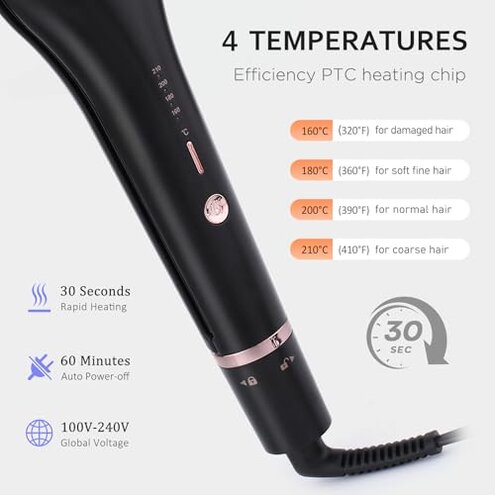
Primary risk: Heat control is among the most disruptive complaints because mistakes show up fast. The tool is advertised up to 446°F, so overshooting your real hair needs can create a harsher styling experience than expected.
During use, this tends to get worse when buyers chase longer hold or move too quickly through the temperature settings. Compared with many mid-range wavers, that makes it less forgiving for rushed morning use.
Not universal, but persistent enough to matter, this issue is more frustrating than expected in a category where buyers usually want easier control. The five preset temperatures help on paper, yet presets can still feel like bigger jumps than some people want.
Trade-off: Fast heating can save time, but it also reduces the margin for error on fine, damaged, or color-treated hair. That is a bigger regret trigger when the product is bought as a flexible household styling tool.
Illustrative: “It heated fast, but I had to baby it the whole time.”
Pattern: This reflects a primary heat-management complaint.
Is the tool heavier and more awkward than it looks?
- Secondary issue: Hand fatigue appears repeatedly, especially once buyers move from a quick touch-up to a full-head session.
- Visible clue: The listed weight is 1.65 pounds, which is not extreme but can still feel heavy for a beauty tool held up for several minutes.
- When it worsens: It gets more noticeable during long sessions, thicker hair routines, or repeat touch-ups.
- Why this matters: In this category, buyers usually expect something easy to reposition around the back of the head.
- Practical impact: Fatigue can lead to inconsistent clamping pressure, which then feeds back into uneven wave results.
- Comparison point: This is less frequent than heat complaints, but more frustrating when it occurs because it affects both comfort and styling quality.
- Fixability: It is only partly fixable by working in smaller sections or taking breaks, which adds time.
Illustrative: “My arm was done before my hair was.”
Pattern: This reflects a secondary comfort complaint.
Do the extra wave options actually save time?
- Hidden requirement: The 4-in-1 concept sounds simple, but it often asks for more trial and error than buyers expect.
- When it shows up: This usually becomes clear on first use, when buyers test sizes and realize each look needs different timing and section width.
- Pattern strength: This is a secondary issue, not as common as consistency complaints but seen across different usage styles.
- Real regret: The tool can create a choice overload problem for people who wanted one dependable look fast.
- Category contrast: Typical mid-range alternatives often do less, but they are faster to learn and easier to repeat.
- Effort cost: The extra flexibility may add mirror time, restyling, and more heat passes before you land on the look you wanted.
- Best-case fix: If you commit to one setting and ignore the rest, the tool may feel easier, but then the main selling point becomes less useful.
- Risk tier: This is an edge-case frustration for experienced stylers, but a real problem for casual users.
Illustrative: “Too many settings for something I wanted to use quickly.”
Pattern: This reflects an edge-case convenience complaint.
Who should avoid this
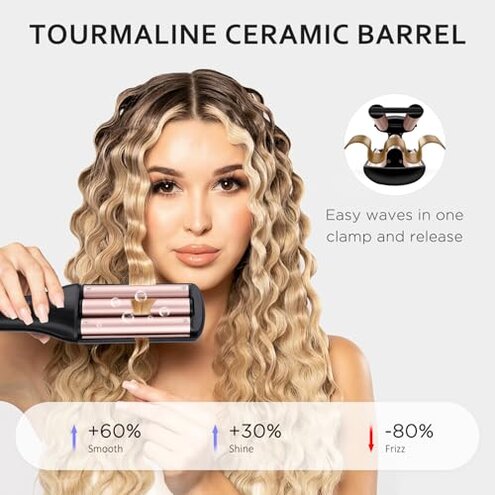
- Avoid it if you want a waver that works well with basic technique, because this model appears less forgiving than a typical mid-range option.
- Skip it if you have fine or easily stressed hair and prefer tiny heat adjustments, since the high top temperature raises the cost of mistakes.
- Pass if you do full-head styling often and dislike arm fatigue, because the listed 1.65-pound weight can feel tiring over time.
- Look elsewhere if you mainly want one fast, repeatable wave pattern, since the 4-in-1 flexibility can create extra steps instead of saving time.
Who this is actually good for
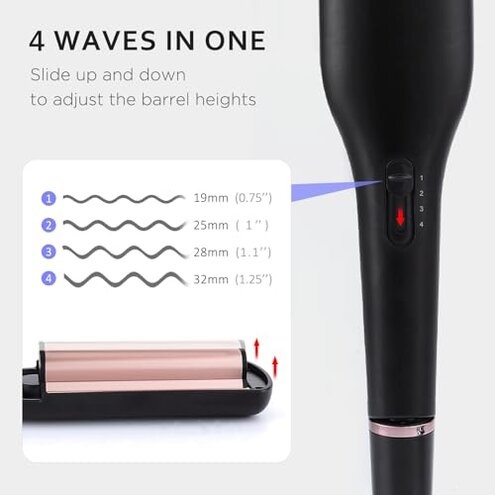
- Good fit for buyers who enjoy experimenting and do not mind a learning curve in exchange for multiple wave looks.
- Works better for users with some styling experience who can tolerate occasional redo passes to dial in consistency.
- Reasonable choice for occasional use rather than daily use, where the weight and setup time matter less.
- Better match for shoppers who specifically want one tool for beach, mermaid, natural, and surfer-style looks, and accept that speed may suffer.
Expectation vs reality
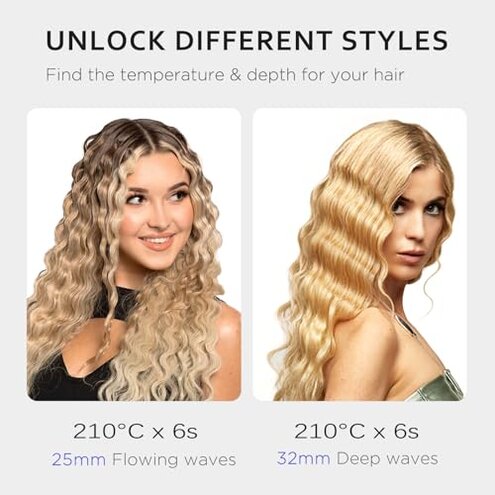
Expectation: A 4-in-1 waver should replace multiple tools and make styling simpler.
Reality: The extra options can mean more decisions, more testing, and less consistency at first.
Expectation: Fast heat-up should make mornings easier.
Reality: Fast heating can also make temperature mistakes happen sooner, especially when rushing.
Expectation: Reasonable for this category is a tool that gives repeatable waves with average technique.
Reality: This model appears less forgiving than that baseline, so results may depend more on method.
Expectation: One styling tool should feel manageable for a full routine.
Reality: The listed 1.65-pound weight can make long sessions more tiring than expected.
Safer alternatives
- Choose a fixed-barrel waver if your main concern is inconsistent results, because one pattern is usually easier to repeat.
- Prioritize finer heat control if you are sensitive to hot tools, since that directly reduces the high-heat regret risk.
- Check listed weight first if you style thick or long hair, because a lighter tool can cut the arm fatigue problem.
- Buy for your main style instead of maximum versatility if you value speed, which avoids the choice overload hidden requirement.
- Look for beginner-friendly demos before buying any adjustable waver, because they reveal whether the tool needs extra technique to look even.
The bottom line
Main regret trigger: Buyers often expect quick, even waves but run into a tool that needs more precision than a typical mid-range waver. That risk goes beyond normal category inconvenience because high heat, heavier handling, and extra setup choices can stack together in real use. Verdict: Avoid it if you want simple, repeatable styling with low effort; consider it only if you actively want versatility and can tolerate a steeper learning curve.
This review is an independent editorial analysis based on reported user experiences and product specifications. NegReview.com does not sell products.