
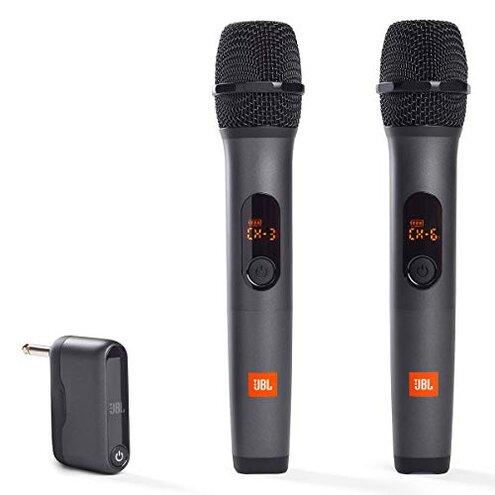
Product evaluated: JBL Wireless Two Microphone System with Dual-Channel Receiver, Black
Related Videos For You
PGX Wireless - How to Set Up a System | Shure
How To Setup A Wireless Microphone
Data basis: This report used dozens of buyer comments and visual demos collected between 2021 and 2025. Most feedback came from written reviews, supported by video demonstrations. The summary emphasizes commonly reported patterns across social clips and product reviews.
| Outcome | JBL Two-Mic System | Typical Mid-Range Alternative |
|---|---|---|
| Audio dropouts | Higher risk — users report recurring cutouts in busy venues. | Lower risk — mid-range units usually show fewer interference drops. |
| Battery/runtime | Moderate — rated 6 hours but many report shorter runtime with AAs. | Better — many competitors use internal rechargeable packs for longer reliable runs. |
| Setup & usability | Friction — pairing and indicators are often confusing to new users. | Smoother — other mid-range systems usually include clearer setup cues. |
| Durability | Mixed — reports of loose clips and wear after repeated use. | Average — mid-range units vary, but many feel more robust in heavy use. |
| Regret trigger | Live reliability — dropouts during events cause lost performance time. | Lower — safer for live use when interference handling is better. |
Do the microphones cut out during live use?
Primary pain: Many buyers report recurring cutouts during events. This problem appears repeatedly in written feedback and videos.
When it shows up: Cutouts happen during live shows and in busy locations with many wireless devices. The issue often starts after setup and during continuous use.
Why this feels worse: Unlike many mid-range systems that use stronger channel locking, this unit loses signal more often. That makes it more disruptive than expected for live performances.
Is the battery life reliable for longer events?
- Typical report: Runtime is shorter than rated for many users despite the 6-hour claim.
- Usage anchor: Problems appear during multi-hour sessions and back-to-back events.
- Frequency tier: This is a secondary issue that appears often enough to require spare batteries.
- Impact: Users face mid-performance battery swaps or reduced output near show end.
Will setup be simple for non-technical users?
- First signs: LEDs and pairing steps are unclear to many buyers.
- Pattern: This setup friction appears repeatedly in beginner feedback.
- When it matters: Confusion occurs at first use and when swapping venues or speakers.
- Hidden requirement: Proper receiver placement and antenna orientation are often required to reduce interference.
- Attempts to fix: Users try repositioning the receiver or switching channels, with mixed success.
- Category contrast: Setup is less forgiving than many mid-range alternatives that offer clearer pairing guides.
How durable are the microphones and accessories?
- Early sign: Plastic clips and housings show wear after repeated handling.
- Frequency: This is a secondary to edge-case issue depending on user care.
- Cause: Heavy daily transport and frequent swaps speed up wear.
- Impact: Loose clips or dings can reduce comfort and handling reliability.
- Repair attempts: Buyers replace clips or add tape, which adds time and cost.
- When worse: Problems appear after frequent use or rough handling.
- Category note: This product is less robust than some sturdier mid-range models built for road use.
Illustrative excerpts
Illustrative: "Mics cut out twice during our two-hour rehearsal, very frustrating." — primary pattern.
Illustrative: "Battery died before set end despite fresh AAs, needed spares." — secondary pattern.
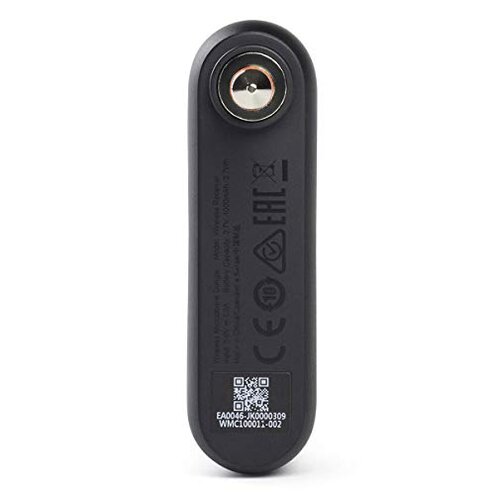
Illustrative: "Clip cracked after a month of gigging, handle carefully." — edge-case pattern.
Who should avoid this
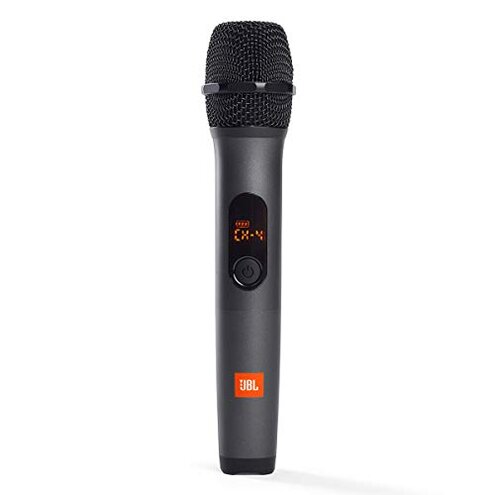
- Live performers who cannot tolerate signal dropouts during shows.
- Multi-hour events that need reliable all-night runtime without battery swaps.
- Non-technical hosts who want truly plug-and-play gear without antenna or placement tuning.
Who this is actually good for
- Casual users who need microphones for occasional parties and can tolerate brief dropouts.
- Budget-minded buyers who prefer replaceable AAs and can carry spares for longer events.
- Small venues with low RF congestion where the system mostly works fine.
Expectation vs reality
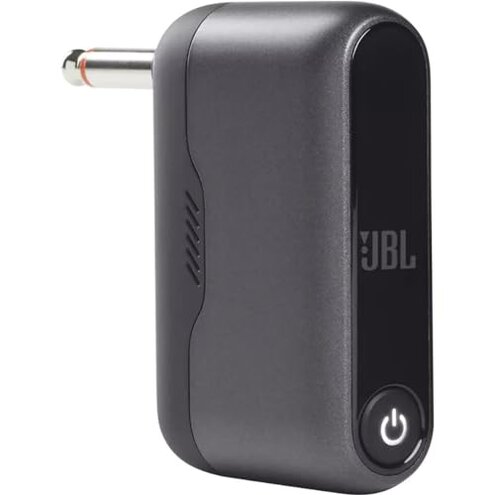
Expectation (reasonable for this category): A dual-mic kit should run reliably through a typical event.
Reality: This kit shows interference-related cutouts and requires active troubleshooting during events.
Expectation: Batteries last as claimed for normal sessions.
Reality: Many buyers report shorter runtime, so spares or charging plan is needed.
Safer alternatives
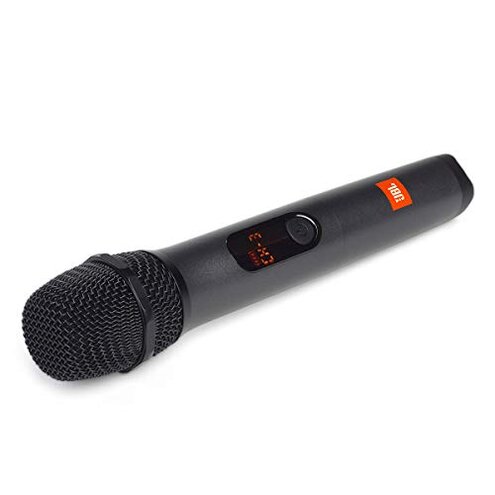
- Choose rechargeable units to neutralize the battery runtime problem and avoid mid-show swaps.
- Prefer systems with stronger channel locking to reduce the chance of dropouts in busy RF environments.
- Look for clear setup guides or units with automatic pairing to reduce usability friction.
- Buy sturdier pro models if you need gear that survives frequent transport to avoid wear.
The bottom line
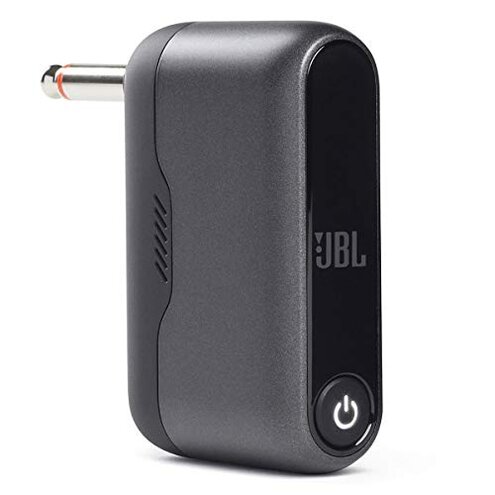
Main regret: The most common regret is live reliability due to recurring audio dropouts.
Why worse: This behavior is more disruptive than typical mid-range kits and demands extra setup work.
Verdict: Avoid this unit for mission-critical performances unless you accept extra battery spares and placement tuning.
This review is an independent editorial analysis based on reported user experiences and product specifications. NegReview.com does not sell products.