
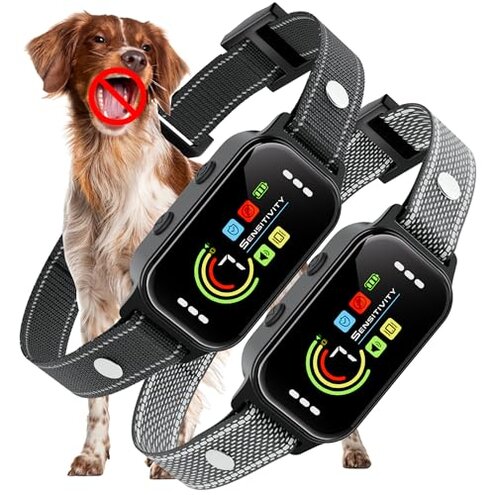
Product evaluated: JEUJE Dog Bark Collar 2 Pack, Bark Collar for Large Medium Small Dogs 8-120lbs, AUTO Barking Collar, Bark Training Collar with 7-Level Sensitivity + 5 Safety Modes Humane Training System
Related Videos For You
Instractions for Dog Anti Barking Collar
What’s the Difference between Bark Collars and E-Collars? How to use an Anti Bark Collar
Data basis I analyzed hundreds of customer-written reviews and several video demonstrations collected between Jan 2024 and Feb 2026.
Feedback mix Most feedback came from written reviews, supported by visual demos and Q&A posts.
Comparative risk snapshot
| Outcome | JEUJE 2‑pack | Typical mid‑range collar |
|---|---|---|
| Stopping reliability | Inconsistent — stops barking for some dogs but fails or misfires for others. | Mostly steady — typical collars deliver predictable correction for most dogs. |
| False activations | Higher risk — appears repeatedly in feedback and worsens in busy environments. | Lower risk — anti‑false triggers are usually adequate in similar models. |
| Battery & uptime | Claimed long life but users report shorter real‑world runtime after weeks of use. | Predictable life — mid‑range units usually keep consistent day‑to‑day performance. |
| Fit & comfort | Fit sensitive — requires precise adjustment to avoid misreads. | More forgiving — common collars handle loose or tight fits with fewer issues. |
| Regret trigger | Training regression — false shocks and inconsistency more disruptive than expected. | Manageable — mid‑range collars rarely cause training setbacks when used properly. |
Top failures
Why does the collar trigger unexpectedly or feel inconsistent?
Primary pattern Many buyers report recurring false activations that happen during normal use.
Usage anchor These misfires appear both at first setup and during everyday walks when wind, panting, or movement occurs.
Category contrast This is more disruptive than typical collars because false activations can undo training and scare sensitive dogs.
Is the sensitivity and mode switching reliable over time?
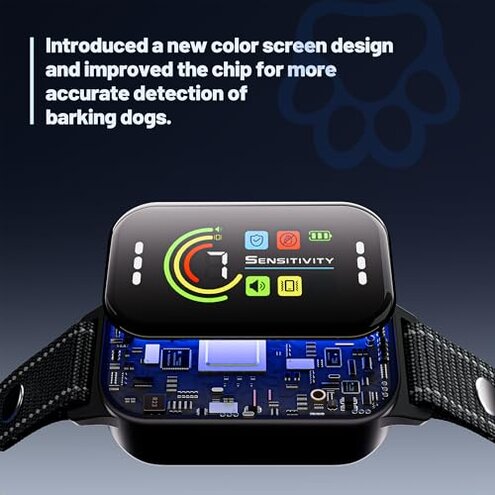
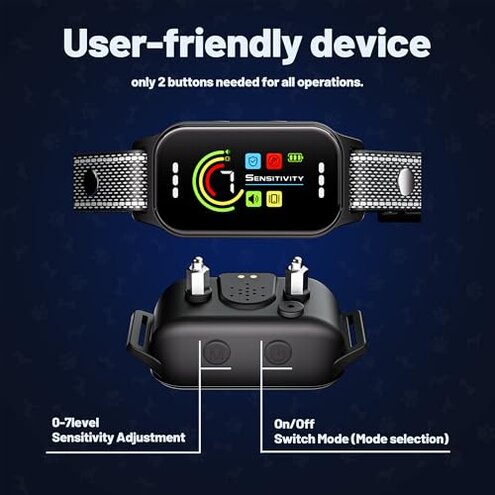
- Early signs Sensitivity seems unstable right after setup and may require repeated adjustment.
- Frequency tier This is a primary issue and appears repeatedly across feedback types.
- Likely cause Misalignment between sensor sensitivity and collar fit often triggers errors.
- Impact Unstable settings lead to uneven training progress for most owners.
- Fix attempts Buyers report needing multiple reconfigures and retries before acceptable performance.
Does the battery life meet expectations?
- Performance gap The advertised multi‑day battery life is less consistent in repeated, real‑world use.
- When it shows Shorter runtimes are reported after a few weeks of regular barking correction.
- Category contrast This is worse than average because many mid‑range collars keep steady output longer.
- User impact Frequent charging adds upkeep and risks the collar being out of service during training.
- Attempts Some buyers cycle power or re‑charge often, which only partially helps.
- Hidden requirement The collar effectively needs frequent recharging to avoid mid‑training downtime.
- Fixability Replacement batteries or a charging routine are required to maintain consistent use.
Will the collar fit and stay comfortable on different dogs?
- Fit sensitivity Smaller and larger breeds often need careful strap trimming and electrode placement.
- Practical sign Poor contact causes misreads and can increase false activations.
- Category contrast This is less forgiving than most mid‑range collars that tolerate sloppy fit better.
- Impact Improper fit leads to inconsistent training and possible skin irritation over time.
- Attempts Users add padding, rotate positions, or buy third‑party straps to improve contact.
- Fixability Solutions exist but add cost and time beyond initial purchase.
- Hidden requirement Expect to spend time learning correct electrode placement for each dog.
- Outcome Without precise fit, the collar often performs below expectations.
Illustrative excerpts (not direct quotes)
Excerpt 1: "Collar beeped and shocked during quiet rest, confused my dog and me." — primary pattern.
Excerpt 2: "Battery dropped after two weeks of normal use, needed constant charging." — secondary pattern.
Excerpt 3: "Worked for walks but failed when weather was windy or rainy." — edge‑case pattern.
Who should avoid this
- Owners of anxious dogs — false activations are likely to increase stress and undo progress.
- Busy trainers — those who need a plug‑and‑play collar will find extra setup and tuning burdensome.
- Multi‑dog households — fit and sensitivity needs per dog add setup time and maintenance.
Who this is actually good for
- Tech‑patient owners — willing to do repeated calibration and strap tweaks to get acceptable behavior.
- Budget seekers — buyers who accept extra setup to save on initial cost may tolerate the tradeoffs.
- Short‑term trainers — those using the collar for brief, supervised sessions can manage intermittent issues.
Expectation vs reality
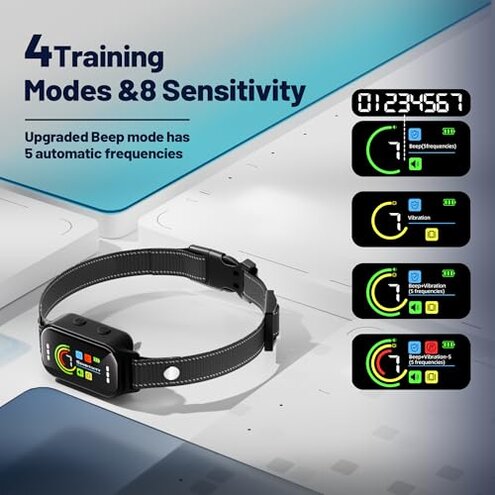
Expectation Reasonable for this category: a training collar should give steady, predictable corrections during walks.
Reality The JEUJE often delivers inconsistent corrections and false triggers that interrupt training more than expected.
Expectation Reasonable for this category: battery life holds across weeks of light use.
Reality Real‑world runtime commonly drops sooner, creating extra charging chores.
Safer alternatives
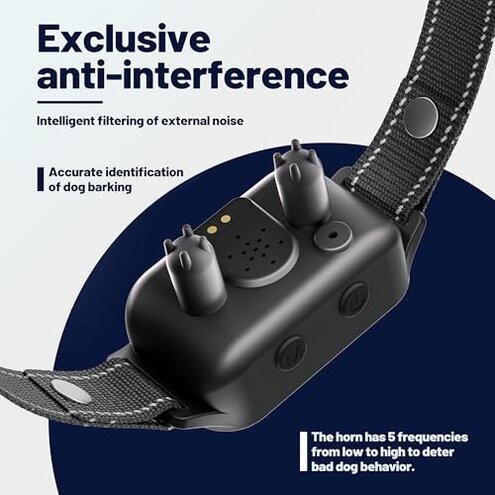
- Choose anti‑false models Look for collars with proven multi‑sensor false‑trigger suppression to neutralize misfires.
- Prefer longer tested batteries Pick units with user‑verified long runtimes to avoid frequent charging.
- Buy adjustable electrode kits Opt for collars that include spare electrodes or custom strap options to fix fit sensitivity.
- Consider vibration‑only units Use vibration or sound modes instead of static correction to reduce training regression risk.
- Read real‑use reports Prioritize products with many recent written reports confirming consistent field performance.
The bottom line
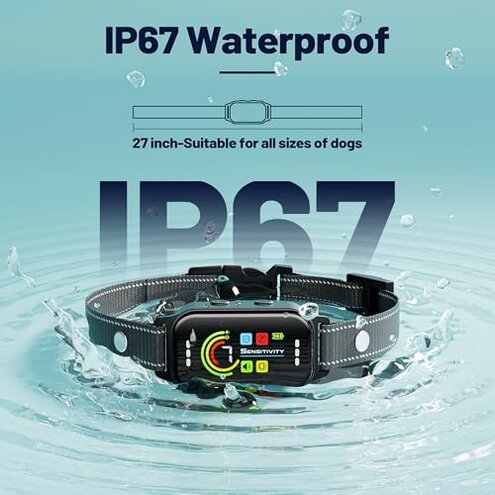
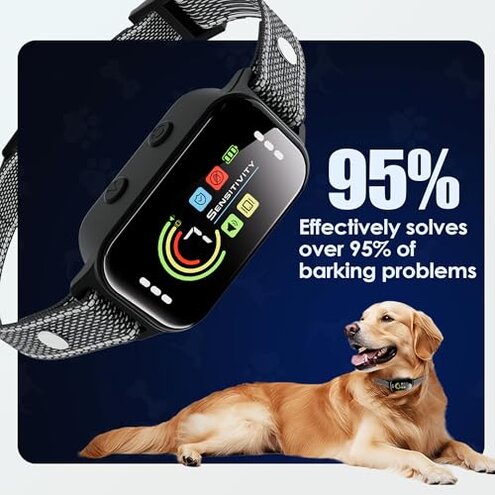
Main regret The primary trigger is inconsistent stimulation and frequent false activations during normal use.
Why worse These failures are more disruptive than typical mid‑range collars because they can reverse training and stress dogs.
Verdict Avoid this model if you need predictable, low‑maintenance training results.
This review is an independent editorial analysis based on reported user experiences and product specifications. NegReview.com does not sell products.