
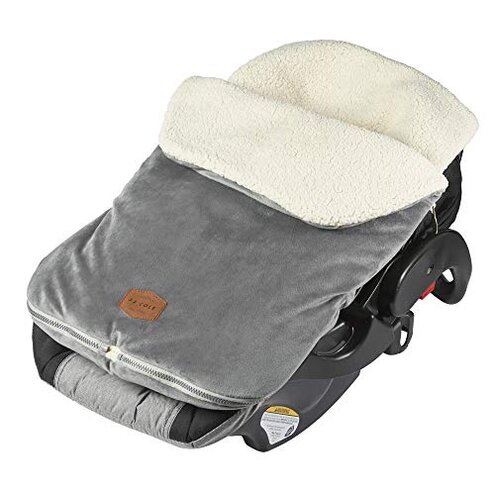
Product evaluated: JJ Cole Bundle Me Winter Toddler Car Seat Cover and Bunting Bag - Urban - Weather Resistant Baby Carrier Cover - Stroller Accessories and Winter Baby Essentials - Blush Pink
Related Videos For You
how to use the bugaboo high performance footmuff
Grow and Go™ All-in-One Convertible Car Seat | How to Remove the Seat Cover | Safety 1st
Data basis: This report summarizes dozens of buyer comments collected from written feedback and photo or video-backed impressions between 2019 and 2026. Most feedback came from written reviews, with smaller support from visual demonstrations, which helps show both first-impression fit issues and daily-use frustration in cold-weather stroller and car seat use.
| Buyer outcome | This product | Typical mid-range alternative |
|---|---|---|
| Cold-weather convenience | Mixed; warmth is the draw, but fit and setup friction can add extra steps during outings. | More predictable; usually less warm-looking, but easier to attach and reuse day to day. |
| Fit across gear | Higher risk; compatibility complaints appear repeatedly during setup with different strollers and seats. | Lower risk; mid-range options are usually more forgiving across common harness layouts. |
| Daily adjustments | More frequent; buyers commonly report repositioning after getting a child in and out. | Less upkeep; typical designs need fewer readjustments once installed. |
| Season flexibility | Limited; warmth helps in true cold, but can feel less adaptable in changing weather. | Broader use; many alternatives handle cool-to-cold weather with fewer comfort swings. |
| Regret trigger | Buying for universal fit and learning after setup that your seat or stroller needs compromises. | Usually lower; expectations are closer to what buyers actually get. |
Will it fit your stroller or car seat the way you expect?
This is the primary issue and among the most common complaints. The regret usually hits during first setup, when parents expect a simple slip-on cover and instead have to test openings, harness paths, and placement.
The pattern is recurring, not universal, but it appears repeatedly across different use cases. That matters because a footmuff in this price range is usually expected to be more forgiving across common gear than this one can feel.
- Early sign: frustration starts when the harness slots or openings do not line up cleanly during installation.
- Frequency tier: this is a primary complaint, seen across multiple feedback sources rather than isolated edge cases.
- Usage moment: problems show up when switching between stroller use and car seat use, or when reinstalling after cleaning or storage.
- Why it feels worse: a typical mid-range alternative may still require adjustment, but usually not this much trial and error.
- Impact: poor alignment can make the cover sit awkwardly, bunch up, or shift during everyday loading and unloading.
- Hidden requirement: buyers may need a very specific seat shape or harness layout for the fit to feel easy, which is not obvious from the product promise.
- Fixability: some parents make it work with patience, but that still adds time each outing.
Illustrative: “I thought it was universal, but I kept fighting the straps.”
Pattern: This reflects a primary issue tied to setup compatibility.
Does daily use become more annoying than it should?
This is a secondary issue, but more disruptive than expected for this category. The problem tends to appear during daily use, especially when getting a toddler in and out quickly.
- Repeat friction: buyers commonly describe extra tugging and repositioning after each trip.
- When it worsens: the hassle grows during rushed errands, daycare drop-offs, or frequent stops in cold weather.
- Real-world effect: instead of saving effort versus blankets, it can create a different kind of routine annoyance.
- Category contrast: products in this category are supposed to reduce winter hassle, so added adjustment feels worse than normal.
- Trade-off: the cozy feel can be appealing, but convenience may fall short for families needing fast transitions.
Illustrative: “Warm enough, but I was straightening it every single ride.”
Pattern: This reflects a secondary issue tied to repeated handling.
Is it too warm or not flexible enough for changing weather?
This issue is persistent, though less frequent than fit complaints. It usually shows up after purchase when parents try to stretch use across cold mornings, warmer afternoons, and seasonal transitions.
The trade-off is simple: cozy insulation helps in real cold, but can feel less adaptable when temperatures move around. Compared with a reasonable category baseline, this can mean narrower usefulness than expected, not just normal winter-product limitation.
- Pattern strength: this is a secondary complaint rather than the main one, but it appears repeatedly enough to matter.
- Usage context: it becomes noticeable during spring or fall days when the weather changes between trips.
- Buyer regret: families hoping for one cover across multiple months may end up using it less often.
- Why it feels worse: many mid-range alternatives are not perfect either, but some are easier to vent or adapt.
- Practical result: parents may remove the hood, unzip, or stop using it sooner than planned.
- Mitigation: it suits consistently cold climates better than mixed-weather routines.
Illustrative: “Great for freezing days, then suddenly too much on milder walks.”
Pattern: This reflects a secondary issue tied to season flexibility.
Will the look and feel match what you expect in person?
- Expectation gap: a less frequent but persistent complaint is that the product can feel different in person than buyers imagined from listing photos.
- When it shows up: this happens on first unboxing, before the first outing, when color tone or bulk is more noticeable in real life.
- Why it matters: for a baby accessory, appearance and how streamlined it feels are part of the purchase decision, not a small detail.
- Category contrast: photo mismatch is common in soft goods, but it feels more frustrating here because fit uncertainty already raises return risk.
- Impact: some buyers keep it for warmth, while feeling disappointed by the style or size impression.
- Frequency tier: this is an edge-case issue, but it can push hesitant buyers into regret.
Illustrative: “It looked cuter online than it did once installed.”
Pattern: This reflects an edge-case issue linked to visual expectations.
Who should avoid this
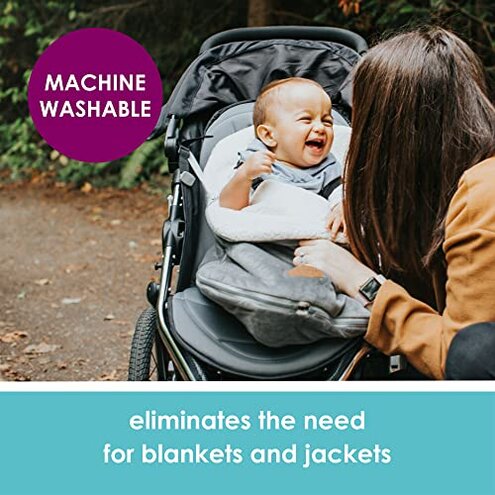
- Avoid it if you need a truly easy fit across more than one stroller or seat, because compatibility friction is the biggest repeated complaint.
- Skip it if your routine involves fast in-and-out errands, since repeated readjustment can become more annoying than normal for this category.
- Pass if your weather changes a lot during the same week, because the warmth level can feel less flexible than expected.
- Look elsewhere if you are already picky about how baby gear looks installed, since fit awkwardness can make the finished look less polished.
Who this is actually good for
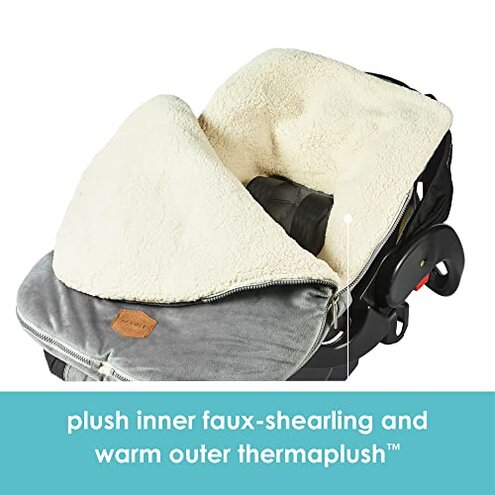
- It fits better for buyers in consistently cold weather who care more about warmth than quick daily adjustments.
- It can work for parents using one compatible stroller or seat long term, where setup happens once and stays put.
- It suits shoppers willing to accept some installation trial and error in exchange for a cozy, enclosed feel.
- It makes sense if style color matters less to you than simply having a warmer cover for winter outings.
Expectation vs reality
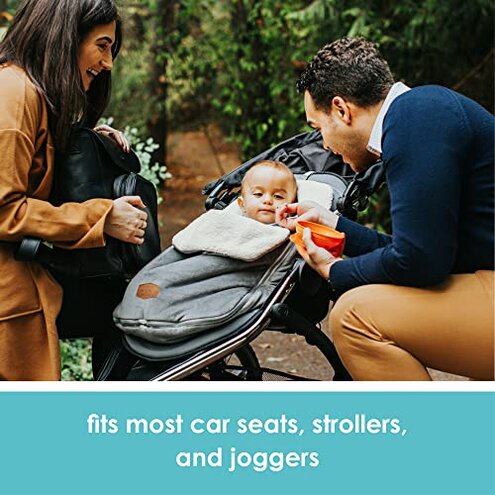
Expectation: A winter footmuff should install quickly and stay aligned with normal daily use.
Reality: This one shows a higher-than-normal fit risk, with repeated complaints about setup compromise and repositioning.
Expectation: Reasonable for this category is solid warmth with at least decent flexibility across changing cold-weather days.
Reality: Buyers commonly find the warmth useful, but the season range can feel narrower than expected.
Expectation: Replacing loose blankets should make outings simpler.
Reality: For some families, the product swaps blanket hassle for adjustment hassle instead.
Safer alternatives
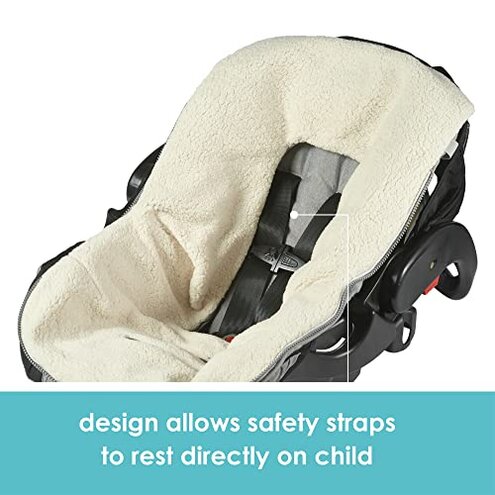
- Check harness layout first and compare slot placement carefully, which directly reduces the biggest compatibility regret.
- Choose simpler designs if you do frequent short trips, because fewer layers and panels usually mean less repositioning.
- Prioritize adjustability for mixed-weather climates, so you are not locked into a narrow temperature range.
- Look for real-life install photos on multiple gear types, which helps catch bulky or awkward fit before purchase.
- Buy for one main vehicle or stroller rather than expecting universal swapping, especially if convenience is your top priority.
The bottom line
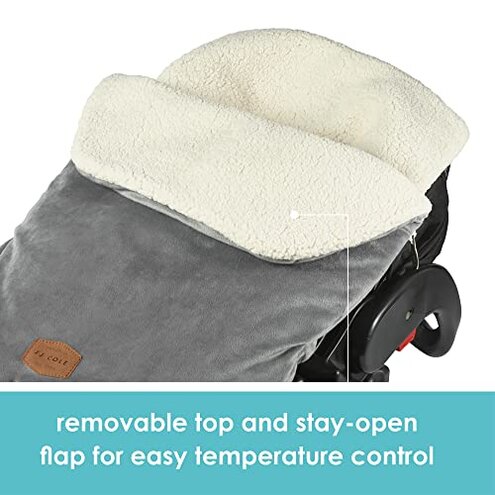
The main regret trigger is buying this as a simple universal winter cover and discovering that fit and day-to-day handling can take more work than expected. That exceeds normal category risk because mid-range alternatives usually trade a little style or warmth for easier compatibility. Verdict: avoid it if convenience and predictable fit matter more than cozy insulation.
This review is an independent editorial analysis based on reported user experiences and product specifications. NegReview.com does not sell products.