
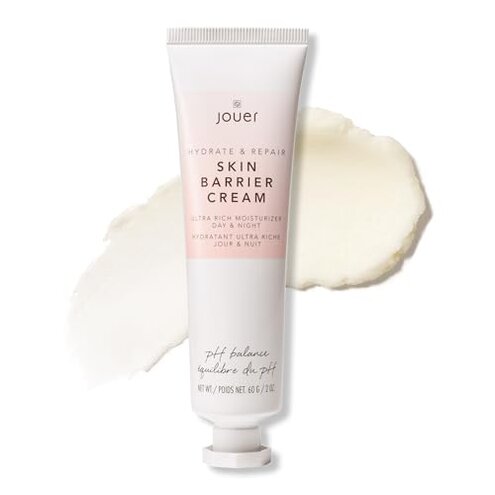
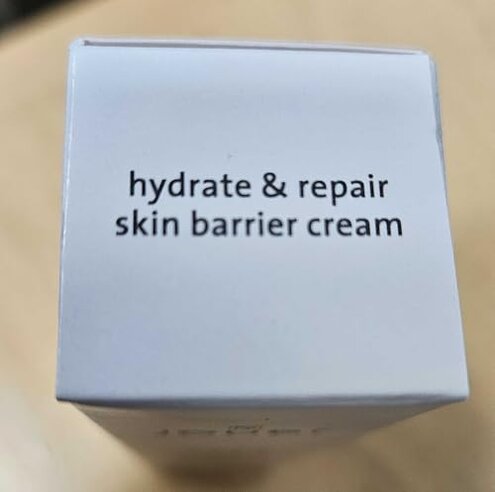
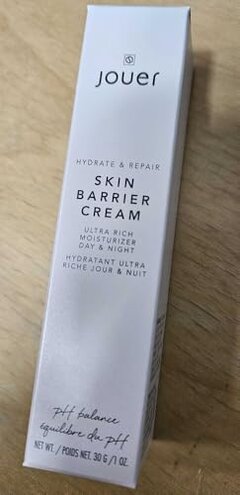
Product evaluated: Jouer Skin Barrier Cream - Skin Barrier Repair Moisturizer - Hydrating Hyaluronic Acid DD Cream - Wrinkle Cream - Anti Aging Night Face Cream with Alpha Lipoic Acid and Coq10-2 oz
Related Videos For You
*BEST* Barrier Cream: Avene Cicalfate Vs La Roche Posay Cicaplast Balm
How a dermatologist layers serums 👌🏻
Data basis: This report uses dozens of buyer impressions collected from written feedback and video-style demonstrations gathered from 2023 to 2026. Most signals came from detailed written comments, with shorter visual demos helping confirm how the cream behaves during daily use and under makeup.
| Buyer outcome | Jouer cream | Typical mid-range alternative |
|---|---|---|
| Hydration feel | Rich, but can feel heavier than some buyers expect | Balanced moisture with less day-to-day heaviness |
| Layering ease | Higher risk of pilling or uneven finish during makeup layering | Usually easier to layer under sunscreen or foundation |
| Sensitivity comfort | Less predictable for reactive skin than many basic barrier creams | More forgiving for simple daily barrier support |
| Value feel | $44 can feel steep if results are only average | Lower regret when performance is merely decent |
| Regret trigger | Paying premium for a cream that adds extra steps or trial-and-error | Lower stakes if texture or finish is not perfect |
Does it feel too heavy for a product meant to help daily skin comfort?
This is a primary issue because the regret starts early, often from the first few uses, when buyers expect relief but get a thicker finish instead.
The trade-off is simple: richer moisture can help dry skin, but this formula appears repeatedly to feel more occlusive and less flexible than typical mid-range barrier creams.
- Pattern: The heavy-feel complaint appears repeatedly, though it is not universal.
- Usage moment: It tends to show up during morning use or when buyers want a light layer before makeup.
- Why it frustrates: A barrier cream is reasonably expected to feel comforting, but this one can feel more noticeable on skin than normal.
- Impact: Buyers may use less product than they need, which undercuts the point of paying for a richer moisturizer.
- Hidden requirement: It often works better when used in a smaller amount than buyers first assume, which adds trial-and-error.
Illustrative excerpt: “It moisturizes, but my face feels coated for hours.” Primary pattern.
Why does makeup or sunscreen sit badly on top?
Among the most disruptive complaints, layering trouble shows up during normal daytime routines, especially when buyers apply sunscreen or base makeup soon after the cream.
- Frequency tier: This is a primary issue because it affects routine use, not just edge cases.
- Context: Problems usually appear after application when another product is added on top.
- Visible sign: Buyers notice pilling, streaking, or makeup that stops looking smooth.
- Category contrast: Many mid-range moisturizers are expected to sit quietly under makeup, so this feels worse than normal for the price.
- Time cost: It can force extra wait time, less product, or restarting part of a makeup routine.
- Fixability: Letting it absorb longer may help, but that creates a hidden routine requirement.
- Regret point: Buyers paying $44 often expect easier daily compatibility, not extra timing tests.
Illustrative excerpt: “My sunscreen rolled up when I tried layering this underneath.” Primary pattern.
Is the skin response too unpredictable for sensitive or reactive skin?
This is a secondary issue, less frequent than texture complaints but more frustrating when it happens because buyers often choose barrier products to calm skin, not gamble with it.
The problem window is usually early use or repeated daily use, especially when skin is already compromised, dry, or easily irritated.
- Pattern: Sensitivity complaints are persistent, even if not the majority signal.
- Usage context: It tends to matter most on already-stressed skin or after introducing new skincare steps.
- What buyers notice: Instead of comfort, some report a stingy, irritated, or unsettled feel.
- Why this feels worse: A product positioned around barrier support is expected to be more forgiving than this.
- Attempted workaround: Some buyers reduce frequency or reserve it for night use, which cuts convenience.
- Fixability: Patch testing helps, but that is an extra step many buyers do not expect from a basic moisturizer.
Illustrative excerpt: “I bought it for soothing, but my skin stayed touchy.” Secondary pattern.
Does the price feel hard to justify if results are only decent?
This is the main regret trigger for many disappointed buyers. The problem is not just performance alone. It is the gap between a $44 price and a result that can feel ordinary or fussy.
- Ranking: Value disappointment is among the most common complaints because it combines all other issues into one decision.
- When it hits: It usually shows up after one to two weeks of routine use when buyers decide whether they would repurchase.
- Comparison: If a cream is average but easy to use, buyers often tolerate it. Here, the extra heaviness or layering risk makes the price feel less forgiving than mid-range norms.
- Practical impact: Buyers feel pushed to “make it work” because the jar cost more than many basic barrier creams.
- Less visible issue: Premium claims raise expectations, so even moderate flaws feel more expensive than they would in a cheaper option.
- Mitigation: It makes more sense if you want a richer night cream and do not care much about daytime layering.
- Edge case: For very dry users who like dense creams, the price sting may matter less if the finish matches their preference.
Illustrative excerpt: “It’s fine, but not forty-four-dollars fine.” Primary pattern.
Who should avoid this
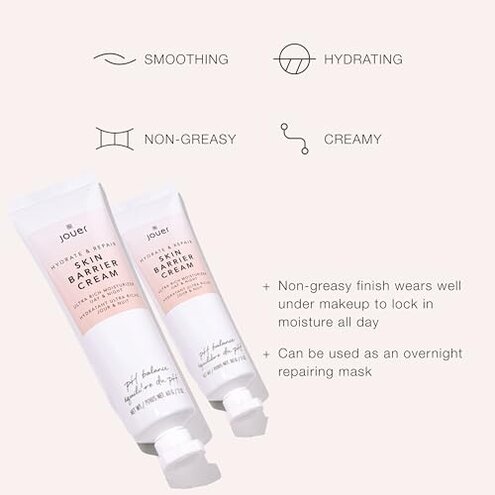
- Avoid it if you need a moisturizer that disappears fast under sunscreen or foundation.
- Skip it if your skin is reactive and you buy barrier creams mainly for predictable calm.
- Pass if you hate trial-and-error with amount, wait time, or product layering order.
- Look elsewhere if you judge skincare hard on value and expect premium pricing to remove routine friction.
Who this is actually good for
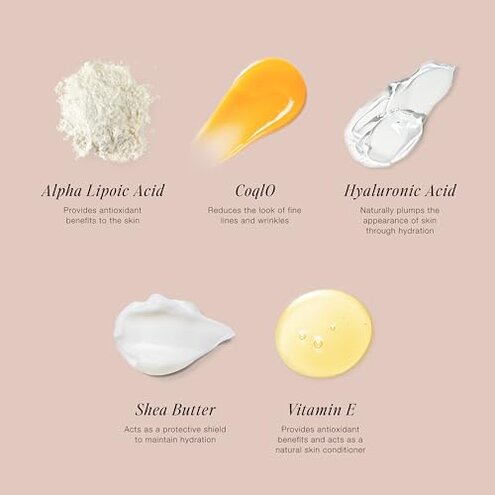
- Consider it if you want a richer night cream and can tolerate a heavier finish.
- It may fit if you have drier skin and do not plan to layer much on top.
- It can work if you are patient with using a smaller amount and testing your routine order.
- Better match if you care more about a cushioned feel than a weightless daytime texture.
Expectation vs reality

Reasonable expectation: A barrier cream in this price range should be easy to use morning or night.
Reality: This one appears less flexible, with texture and layering issues that can add extra steps.
- Expectation: Premium skincare should reduce friction.
- Reality: Here, buyers commonly report more routine management than expected.
- Expectation: Barrier support should feel calming for most users.
- Reality: Skin comfort seems less predictable than many simpler alternatives.
Safer alternatives
- Choose gel-cream textures if your main concern is pilling under sunscreen or makeup.
- Look for simpler daily moisturizers if you want fewer surprises on reactive skin.
- Buy a smaller-size first whenever a cream is positioned as rich but still expected to work day and night.
- Prioritize daytime compatibility if your routine includes multiple layers every morning.
- Set a value rule: if a cream needs special timing or special amounts, do not pay premium unless the results clearly beat basics.
The bottom line
The biggest risk is paying $44 for a moisturizer that may feel heavy, layer poorly, or require extra routine adjustments. Those problems are more disruptive than expected for this category because barrier creams are usually bought for simplicity and comfort. If you want low-risk daily use, this is easier to skip than to troubleshoot.
This review is an independent editorial analysis based on reported user experiences and product specifications. NegReview.com does not sell products.