
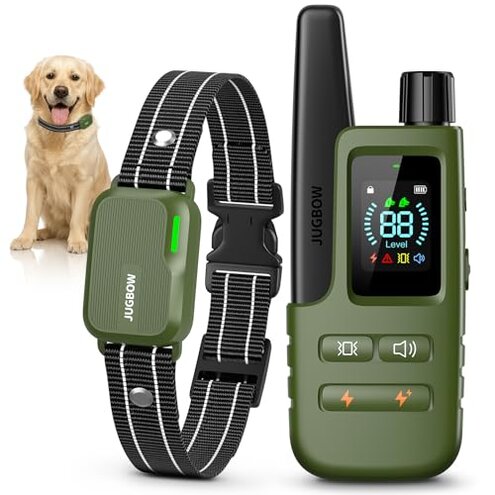
Product evaluated: Jugbow Dog Shock Collar - 4500FT Dog Training Collar with Remote, IPX8 Waterproof Electric Dog Collar with 4 Training Modes, Security Lock, Rechargeable eCollar for 10-120lbs Small Medium Large Dogs
Related Videos For You
E collar training for beginners/How to train a dog using the remote collar!
DOG CARE Dog Training Collar with 3 Modes & 330 Yards Range
Data basis Dozens of buyer responses were aggregated from written reviews and video demonstrations collected between January 2023 and January 2026. Most feedback came from written reviews, supported by video demos and Q&A notes. Distribution shows a majority of complaints in written text, with some visual failure evidence.
| Outcome | This product | Typical mid-range collar |
|---|---|---|
| Stimulation consistency | Inconsistent — commonly reported misalignment between set level and felt intensity. | Predictable — mid-range collars usually deliver steady, repeatable levels. |
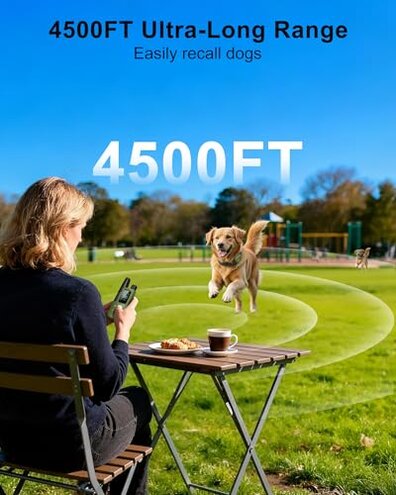
| Real-world range | Overstated — connection drops sooner than claimed in open/wet conditions. | Reliable — mid-range units tend to match realistic outdoor range expectations. |
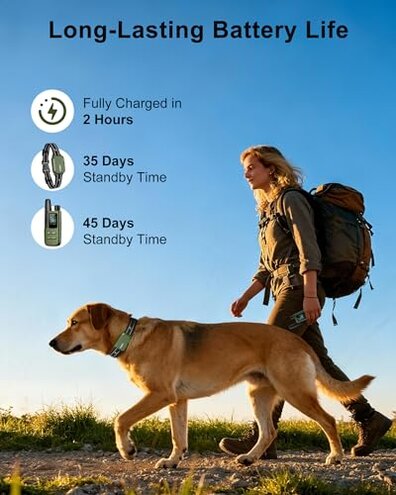
| Battery under active use | Shorter — active use drains faster than standby claims suggest. | Balanced — mid-range collars often match normal active-use runtime. |
| Waterproof/durability | Mixed — IPX8 claim works for some, but corrosion and wear appear over time. | Consistent — typical alternatives show fewer late-life corrosion reports. |
| Regret trigger | High — inconsistent shock and intermittent connection are more disruptive than expected. | Moderate — common training annoyances but less likely to break training trust. |
Why did the shock feel unpredictable during training?
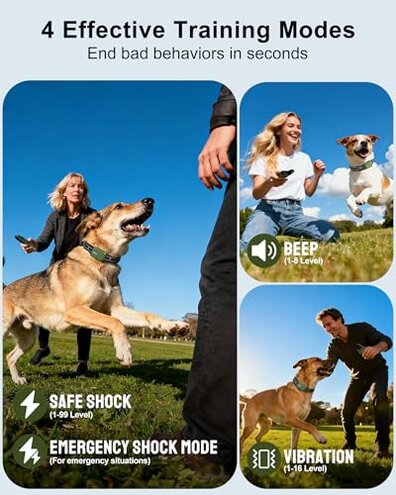
Stimulation inconsistency is a primary issue and appears repeatedly across buyer reports. Pattern shows users feeling different intensities at the same setting during the first uses and after repeated sessions.
Usage anchor Most buyers notice this during the first week of training and when switching modes or dogs. Worse-than-expected because mid-range collars typically give consistent response at set levels, so this unpredictability harms command training.
What happens to battery life in real use?
- Early sign — standby numbers in marketing appear plausible but active-use drain is commonly reported.
- Frequency tier — this is a secondary issue seen in many written reviews and demos.
- When it appears — runs down faster during long outdoor sessions or repeated stimulation bursts.
- Impact — adds extra charging and planning time for day trips or long training sessions.
Why does the remote lose connection at distance?
- Connection drops — intermittent signal loss is a recurring complaint in outdoor use.
- Context — shows up when distance, vegetation, or buildings increase; worse when weather is wet.
- Pattern label — this is a primary-to-secondary issue depending on terrain; appears repeatedly in field tests.
- Cause — likely radio interference or weaker antenna performance compared with category baseline.
- Impact — can interrupt an off-leash recall and cause safety concerns for active dogs.
- Fixability — temporary workarounds include closer range use or line-of-sight, but buyers report this is not a permanent fix.
Why do durability and waterproof claims sometimes fail?
- Corrosion reports — a set of buyers report contact corrosion after repeated wet exposure.
- Hidden requirement — this product commonly requires regular drying and contact maintenance to keep functioning.
- When it shows — problems usually appear after weeks or months of frequent outdoor/water use.
- Category contrast — more upkeep than most mid-range alternatives that tolerate wet use with less maintenance.
- Impact — unexpected repair or replacement costs and training downtime.
- Attempts reported — users clean contacts, replace straps, or place tape over contacts as temporary measures.
- Fixability — some buyers needed replacements or refunds; others say maintenance keeps the unit usable but adds effort.
Illustrative excerpts
Illustrative excerpt: "Shock strength felt different every time at the same setting during recalls." Pattern: primary issue — commonly reported inconsistency.
Illustrative excerpt: "Battery died halfway through a long park session despite long standby claims." Pattern: secondary issue — appears during active use.
Illustrative excerpt: "After rain, the contacts corroded and the collar stopped working." Pattern: edge-case issue — worsens over repeated wet exposure.
Who should avoid this
- Competitive trainers who need consistent, repeatable stimulation for fast behavior shaping.
- Hikers and beach owners who rely on full claimed range and waterproof performance without extra maintenance.
- Owners of reactive dogs where unpredictable stimulation or intermittent control raises safety concerns.
Who this is actually good for
- Casual at-home trainers who will tolerate occasional inconsistency during short sessions.
- Budget-conscious buyers willing to do extra contact maintenance and accept shorter active runtime.
- Owners training on-leash who don't need extended range or heavy weather resistance.
Expectation vs reality
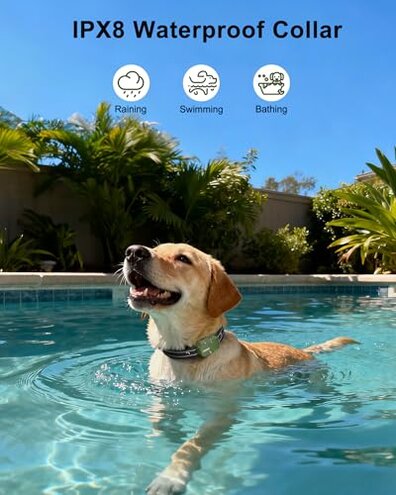
Expectation Reasonable for this category: marketed range and IPX8 suggest reliable outdoor use. Reality many buyers report reduced range or water-related issues during frequent outdoor use.
Expectation Reasonable for this category: fixed shock levels that match settings. Reality buyers commonly report inconsistent intensity, harming training trust.
Safer alternatives
- Prioritize consistency — look for collars with independent third-party range and shock consistency tests to avoid unpredictable stimulation.
- Check active runtime — prefer models with verified active-use battery tests if you train off-leash or during long sessions.
- Inspect waterproofing — favor units with proven long-term water resistance and clear maintenance guidance to avoid corrosion.
- Read return policy — pick sellers with easy returns and warranty support to reduce replacement hassle.
The bottom line

Main regret is unpredictable shock intensity and intermittent connection during real-world use, which appears repeatedly in buyer feedback.
Why it matters This exceeds normal category risk because it directly undermines training reliability and safety during off-leash control.
Verdict Avoid if you need dependable, long-range, and low-maintenance performance; consider alternatives that verify consistency and active battery life.
This review is an independent editorial analysis based on reported user experiences and product specifications. NegReview.com does not sell products.