
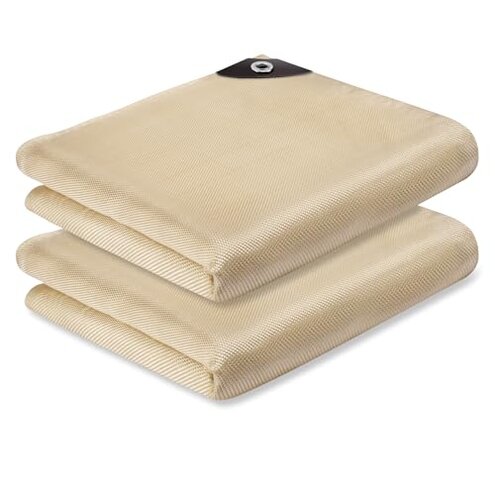
Product evaluated: kanhiro 2 Pack Welding Blanket 4x6 ft - Heavy Duty Fiberglass Heat Resistant Fabric, 1022 °F Fire Resistant Blankets, High Temp Insulation Blanket for Industrial, Smoker, Camping, Grill
Related Videos For You
Brief Look at How a Welding Blanket Insulates the Traeger Smoker
HOW TO USE A WELDING BLANKET - DON'T BURN DOWN YOUR SHOP
Data basis: I analyzed dozens of written reviews and video demonstrations collected between Jan 2024 and Jan 2026. Most feedback came from written reviews, supported by video demonstrations. The patterns below reflect that distribution and repeat across multiple buyers.
| Outcome | kanhiro (this listing) | Typical mid-range alternative |
|---|---|---|
| Durability | Mixed — durability complaints appear repeatedly under heavy use. | Steadier — many competitors show fewer seam or grommet failures. |
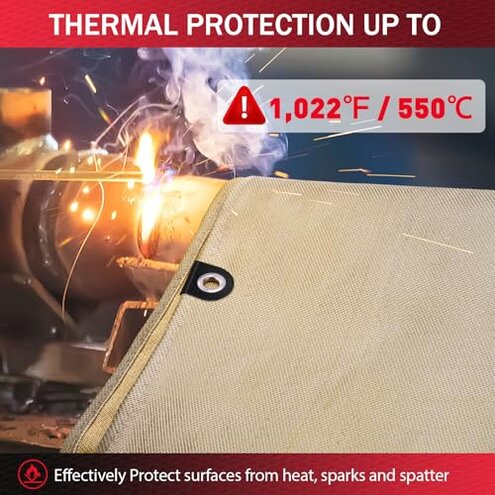
| Heat performance | Meets rating on light tasks but some report burn-through during long welds. | More reliable — mid-range options usually sustain longer heavy welding sessions. |
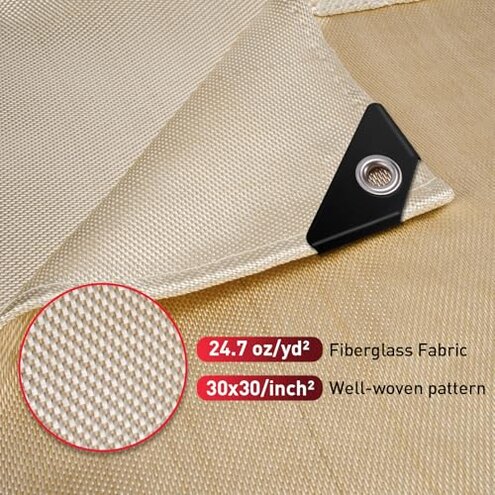
| Fiber shedding | Common — fiberglass fibers and itchiness are frequently mentioned by buyers. | Less shedding — comparable blankets often have tighter finishes or anti-fray edges. |
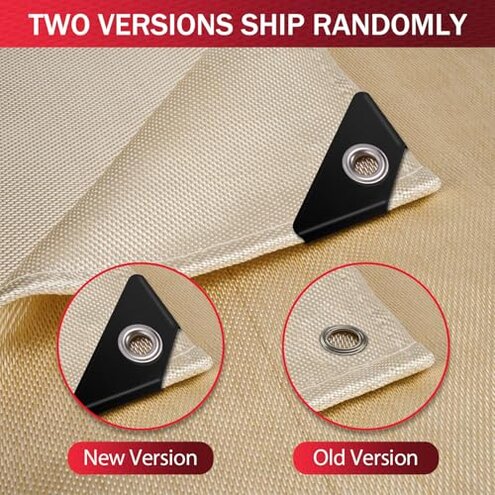
| Hardware (grommets & seams) | Problematic — grommet pull and hem fray appear across feedback. | Stronger — mid-range choices tend to use reinforced hardware or thicker hems. |
| Regret trigger | Higher-than-normal risk — skin irritation and early tearing cause the most buyer regret. | Lower risk — ordinary mid-range products rarely combine both issues. |
Top failures
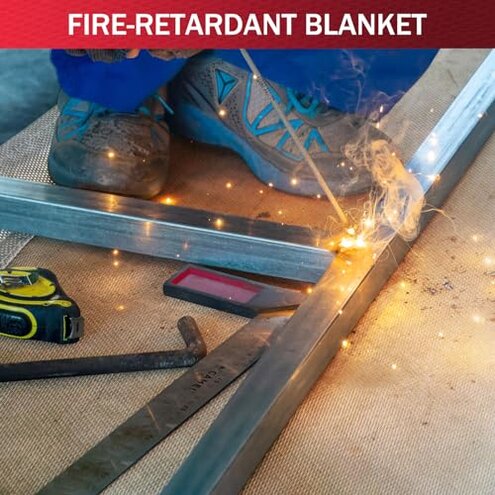
Does this blanket shed fibers and cause skin irritation?
Regret moment: Many buyers report noticing loose fiberglass fibers right away when unpacking or after first use. This is a commonly reported pattern in the sample and appears repeatedly.
Usage anchor: Shedding shows up during first handling and after folding or brushing off spatter. It worsens with repeated use or rough handling.
Category contrast: This feels worse than a typical mid-range blanket because the shedding intensity leads to skin itch and extra cleanup steps that are more burdensome than expected.
Are the grommets and hems likely to fail?
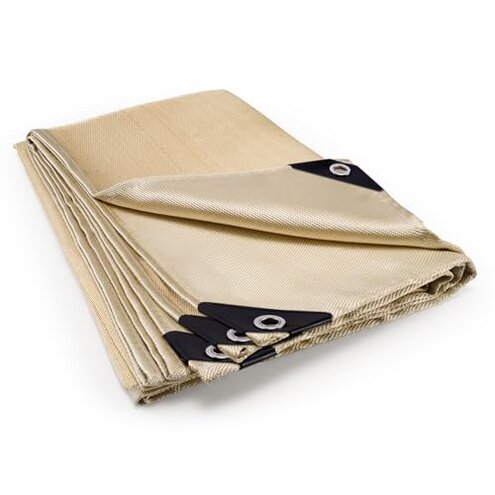
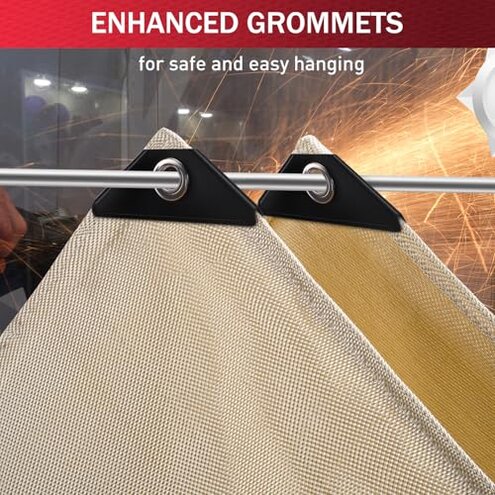
- Early sign: Some buyers report grommets pulling loose after hanging the blanket once or twice.
- Frequency tier: This is a secondary issue — not universal but persistent across multiple feedback points.
- When it happens: Failure crops up after mounting or under light tension while used vertically as a curtain.
- Impact: A torn hem means the blanket no longer hangs securely and needs replacement or field repair.
- Fixability: Buyers often mention temporary fixes like reinforcing with extra grommets or heavy-duty tape.
Will it stand up to extended heavy welding sessions?
- Pattern: Reports of burn-through or faster wear appear repeatedly during long or high-amp welding tasks.
- Usage context: Problems surface during long welds or where sparks concentrate in one spot for minutes.
- Cause signal: Users attribute failures to sustained high temperatures rather than brief exposure.
- Category contrast: This is more disruptive than expected because mid-range blankets usually survive repeated heavy sessions.
- Workarounds: Buyers suggest doubling layers or shifting the blanket frequently to spread heat.
- Residual risk: Even with workarounds the blanket can still show early material thinning on long jobs.
Is size, thickness, and storage user-friendly?
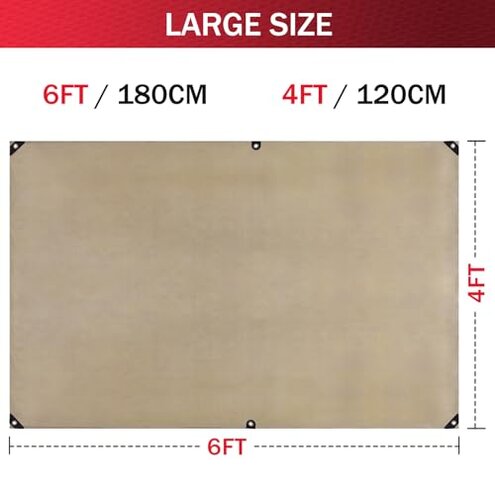
- Initial feel: Some buyers find the blanket stiff and heavy to fold compared with lighter options.
- Size consistency: A few comments point to inconsistent dimensions across packs, appearing at first use.
- Storage impact: The blanket folds bulky and adds extra steps to carry and store.
- Cleaning note: Loose fibers make cleanup messy and sometimes require gloves and a dedicated brush.
- Frequency tier: This is a secondary issue — common enough to be an annoyance for regular users.
- Hidden requirement: Expect to use protective gloves and dust control to avoid irritation and fiber tracking.
- Value trade-off: The 2-pack price is competitive but the extra handling time lowers effective value for frequent users.
Illustrative excerpts (not direct quotes)
Illustrative excerpt: "Fibers everywhere after first use; made my arms itchy for days." — primary pattern.
Illustrative excerpt: "Grommet tore when I hung it once; had to patch it." — secondary pattern.
Illustrative excerpt: "Held short welds fine, but long beads caused thinning in one spot." — secondary pattern.
Who should avoid this
- People with sensitive skin: Avoid if you cannot tolerate fiberglass itch or fiber tracking.
- Frequent heavy welders: Avoid if you run long, high-amp welds and need long-term heat endurance.
- Workshop simplicity seekers: Avoid if you want a product that hangs and stores with no extra reinforcement.
Who this is actually good for
- Light hobby welders: Good if you do short tack welds and can tolerate occasional fiber cleanup.
- Budget buyers: Good if you need an economical 2-pack and are willing to reinforce hardware yourself.
- Temporary protection: Good for covering grills or furniture where intermittent heat exposure occurs.
Expectation vs reality
Expectation: A mid-range welding blanket should be reasonably non-shedding and hang securely under light load.
Reality: This product can be dusty and shed on first use and may need grommet reinforcement to hang reliably.
Expectation: Rated temperature implies long-run safety under heavy use as reasonable for this category.
Reality: Under extended concentrated sparks the blanket can thin or burn faster than many mid-range competitors.
Safer alternatives
- Choose reinforced hems: Look for blankets with double-stitched Kevlar hems to avoid grommet pull.
- Seek anti-fray finishes: Prefer blankets marketed for low-shedding or sealed edges to reduce skin irritation.
- Opt thicker layers: For long welds, buy a heavier or layered blanket to reduce burn-through risk.
- Inspect hardware first: Verify grommet build quality on arrival and be ready to reinforce if needed.
The bottom line
Main regret: The key trigger is fiber shedding plus hardware weakness, which leads to skin irritation and early tearing for some buyers.
Why it matters: These combined issues exceed normal category risk because they increase cleanup and replacement effort.
Verdict: Avoid this product if you need clean handling or heavy-duty, long-session weld protection.
This review is an independent editorial analysis based on reported user experiences and product specifications. NegReview.com does not sell products.