
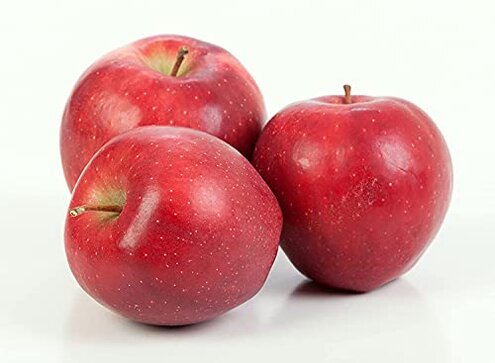
Product evaluated: Kauffman Orchards Fresh-Picked Pink Lady Apples (Box of 8)
Related Videos For You
How to Ship Fruit, Apples, Jams, Cheese Gifts Safely
Storing FRESH apples for an ENTIRE YEAR!
Data basis: This report summarizes dozens of buyer feedback items collected from written ratings and photo attachments, spanning 2023–2026. Most of the signal came from short written notes about condition-on-arrival and taste, with supporting evidence in photos that show packaging outcomes and surface blemishes.
| Buyer outcome | This product | Typical mid-range apples shipped |
|---|---|---|
| Condition on arrival | Higher risk of bruising and soft spots showing up at delivery | Moderate risk, usually minor scuffs that trim off |
| Flavor consistency | Mixed: sweet-tart varies box to box | More steady taste within a shipment |
| Size uniformity | Less predictable, with noticeable variation in what you get | More uniform sizing expectations |
| Waste / trimming | More trimming if bruises land near the core | Less trimming for the same spend |
| Regret trigger | Paying premium-per-apple and still sorting out damaged fruit | Accepting minor marks but fewer “unusable” pieces |
Top failures
“Why are some apples bruised or soft right out of the box?”
Regret moment hits when you open the foam shipper and still find bruises that need trimming before anyone wants to eat them. This is more disruptive here because the price is effectively per-apple, so each damaged piece feels like lost value.
Pattern wise, condition-on-arrival complaints appear repeatedly, though not universal. It shows up immediately at delivery and gets worse if the box sat warm or was handled roughly in transit, which is a common real-world shipping scenario.
Category contrast: some scuffing is normal for shipped fruit, but buyers describe deeper bruising than expected for “protected” packing, which raises regret for this category.
- Early sign: you see dull brown patches or feel soft spots before washing.
- Primary issue: bruising is among the most common negative themes in the feedback set.
- When it shows: problems appear on arrival, not after days on the counter.
- Worsens with: heat exposure at the door or longer time in transit, which buyers cannot fully control.
- Impact: you spend extra time sorting, trimming, and deciding what is snackable versus cooking-only.
- Fixability: you can cut around damage, but it reduces portions and can change texture near the bruise.
- Hidden requirement: you may need to open and inspect immediately and refrigerate fast, which is not how many people handle gift deliveries.
“Why don’t they taste like a crisp Pink Lady every time?”
- Consistency: taste and crunch feedback is mixed, with a persistent theme of uneven eating quality.
- When noticed: the letdown happens at the first bite, especially when you expected a snappy, sweet-tart profile.
- Primary vs secondary: flavor swings are a secondary issue, but it is more frustrating because it is the main reason to buy Pink Lady.
- Worsens with: room temperature storage after arrival if fruit is already trending soft from shipping.
- Category contrast: grocery-store Pink Lady is often more predictable week to week, even if less “special.”
- Impact: apples end up as cooking fruit instead of lunchbox snacks, changing the value math.
- Mitigation: chilling can help firmness, but it cannot restore a mealy texture once present.
- What to do: plan to use the softest ones first and reserve the firmest for fresh eating.
“Is the size and quality uneven within the same box?”
- Uneven box: reports of mixed sizing and mixed “keeper” quality show up repeatedly across feedback.
- When it shows: you notice it during unboxing while lining them up on the counter.
- Ranking: this is a secondary issue, but it becomes a bigger deal at a per-apple price.
- Impact: smaller apples can feel overpriced compared with typical mid-range shipped fruit.
- Category contrast: mid-range “box apples” usually aim for tighter grading, even if the flavor is simpler.
- Hidden requirement: you may need to weigh use cases, like allocating the biggest to snacks and the rest to sauce.
“Why does it feel expensive if even one apple is a dud?”
- Price pressure: at $32.99 for 8, any bruised or bland apple hits harder than in cheaper options.
- Ranking: value regret is an edge-case-to-secondary complaint, but it becomes intense when shipping damage occurs.
- When it shows: it lands after sorting, when you realize how many are “snack-ready.”
- Category contrast: with mid-range alternatives, a couple imperfect apples feel normal; here it can feel like a bad deal.
- Effort cost: you spend time managing ripeness, refrigeration, and use order to protect the purchase.
- Mitigation: treat it as a cooking box first, and you are less likely to feel burned.
- Best workaround: if you need reliably crisp snack apples, buy locally where you can inspect firmness first.
Illustrative excerpts
- Illustrative: “Opened the box and found soft spots on two apples.” Primary pattern reflecting condition-on-arrival risk.
- Illustrative: “Not the crisp bite I expected from Pink Lady.” Secondary pattern tied to texture swings.
- Illustrative: “Some were big, others felt small for the price.” Secondary pattern about uneven sizing.
- Illustrative: “Had to trim a lot before they looked snackable.” Primary pattern showing added prep burden.
- Illustrative: “Next time I’d just grab a bag at the store.” Edge-case pattern reflecting value regret after a bad box.
Who should avoid this
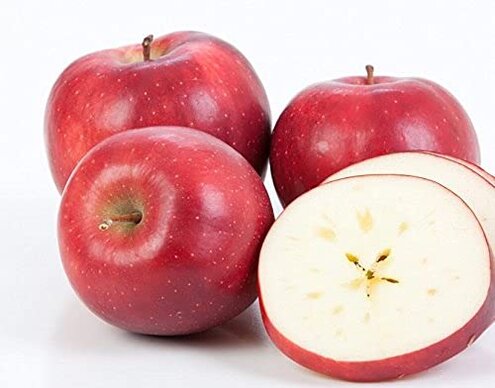
Gift buyers should avoid this if you cannot ensure quick refrigeration, since arrival softness is a recurring regret trigger.
Lunchbox shoppers should avoid it if you need consistent crisp texture, because crunch can be a secondary but persistent swing.
Value-focused buyers should avoid it when you are sensitive to waste, since trimming and “cooking-only” outcomes can erase the premium.
Meal-prep minimalists should avoid it if you dislike extra steps, because sorting and triage is commonly reported after delivery.
Who this is actually good for
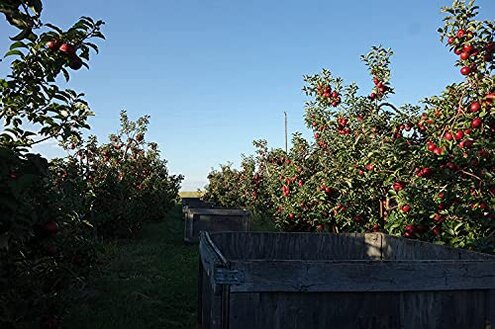
Applesauce bakers can like it if you accept cosmetic bruising and plan to cook quickly, because flavor can still work in recipes.
Flexible snackers who are fine rotating apples by firmness can tolerate the uneven box and still get enough good eaters.
Seasonal fruit fans who expect some shipping variability may be fine with the arrival risk, as long as they inspect and chill right away.
Expectation vs reality
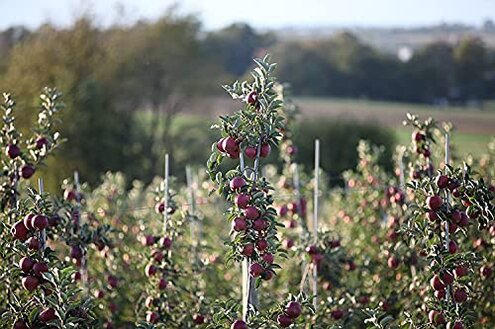
- Reasonable for shipped apples: minor scuffs. Reality: some buyers describe bruising that needs real trimming at unboxing.
- Expectation: Pink Lady should be reliably crisp and sweet-tart. Reality: a secondary pattern is variable texture within a box.
Expectation: protective packing should reduce damage. Reality: feedback still flags handling sensitivity, meaning the protection does not fully offset transit bumps.
Safer alternatives
- Inspect-first: buy apples where you can press-test firmness to avoid the on-arrival softness risk.
- Local orchard: choose nearby pickup to cut transit time, which directly reduces bruising probability.
- Smaller orders: pick a smaller quantity so you can use fast and reduce losses if a shipment runs soft.
- Cooking plan: if you must ship, shop apples marketed for baking/sauce so cosmetic damage hurts less.
The bottom line

Main regret comes from paying a premium and then dealing with bruised or soft apples at delivery. That risk feels higher than normal for shipped fruit because the product is positioned as protected and fresh-picked, yet recurring feedback still flags damage and inconsistency. If you need reliable snack-quality apples, avoid and buy inspectable fruit instead.
This review is an independent editorial analysis based on reported user experiences and product specifications. NegReview.com does not sell products.