
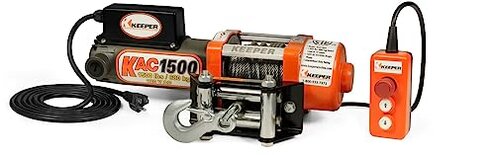
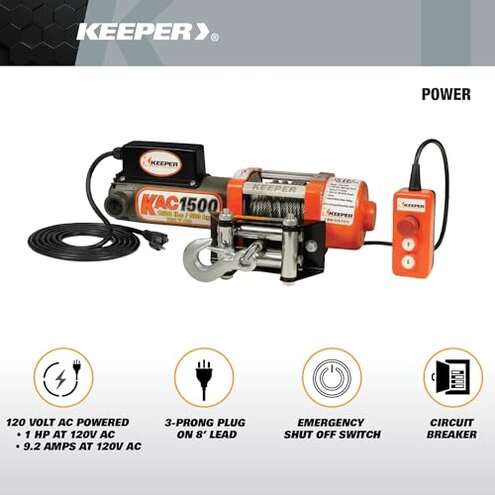
Product evaluated: KEEPER Electric Winch 110/120V AC with Remote, Hand Held Control, 1500 lb. Capacity, AC Power, ATV, Truck, SUVs, Large Vehicles, Trailer Winch
Related Videos For You
How to Use a Winch, Snatch Block and Tree Save on the Trail | Black Op Series Winches
ATV/UTV Winch Troubleshooting
Data basis: This report reflects dozens of aggregated buyer notes collected from written reviews and star-rating comments, with extra context pulled from Q&A-style feedback. The collection window spans 2019–2026. Most usable detail came from longer written experiences, supported by shorter “works/doesn’t” updates that often flag early-life problems after setup.
| Buyer outcome | Keeper AC winch | Typical mid-range |
| Install time | More fiddly for many setups | More predictable mounting and routing |
| First-day reliability | Higher risk of “dead on arrival” reports | Lower risk of immediate failures |
| Pull consistency | More sensitive to load angle and drum wrap | More forgiving under normal garage use |
| Remote control feel | More complaints about switch/cord hassle | Simpler controls with fewer surprises |
| Regret trigger | Stops mid-pull or won’t run when you need it | Annoyances are usually noise, not stoppage |
Will it quit mid-pull when you finally need it?
Regret moment: you’ve got something partially lifted or half-loaded, and the winch stalls or refuses to run. This is among the most disruptive complaints because it turns a simple job into a stuck, unsafe one.
Pattern: the “worked briefly then stopped” story shows up repeatedly, though it isn’t universal. It most often appears after setup during the first real load, then feels worse in longer sessions where heat and repeated in/out cycles add stress.
Category contrast: some stoppage risk is normal with budget winches, but buyers describe this one as less forgiving than typical mid-range options when used near its claimed capacity.
Hidden requirement: several reports imply you must treat it like a light-duty hoist and keep pulls short, straight, and carefully layered on the drum to avoid trouble.
- Early sign: hesitation, clicking, or a motor sound without smooth cable movement during the first loaded test.
- Primary pattern: intermittent power or sudden stop appears commonly reported during early real work, not just bench tests.
- Worsens when: long continuous pulls and repeated cycling happen, especially when the cable stacks unevenly.
- User impact: you lose time and may need a second method to finish the lift or load safely.
- Fix attempts: buyers often try re-spooling and re-checking connections, but results are inconsistent across cases.
- Fixability: if the issue is internal, the “fix” becomes a return/exchange rather than a quick adjustment.
- Mitigation: test under load early and plan a backup strap or jack so you are not stuck mid-task.
Is the installation more work than it looks?
- Setup friction: mounting and cable routing complaints show up repeatedly right after unboxing.
- When it hits: the pain is usually during first install, when hole alignment, clearance, and cable path become real.
- Why it stings: mid-range alternatives are often more standardized for common garage mounts, so this feels like extra steps.
- Hidden requirement: many buyers end up needing a better mounting surface or extra bracing to keep things stable.
- Time cost: you may spend extra time measuring, re-drilling, or repositioning instead of “bolt on and go.”
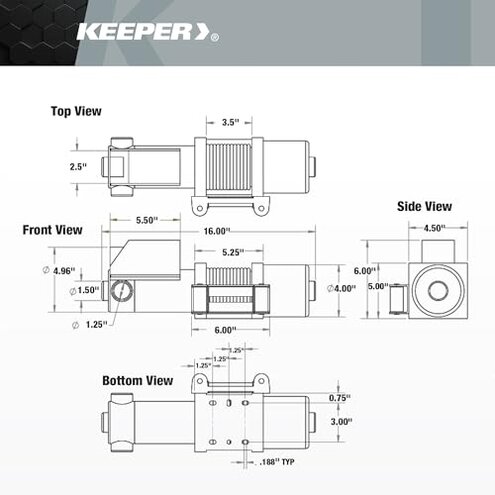
- Downstream effect: a slightly crooked mount can worsen cable stacking and increase the chance of bind-ups later.
- Mitigation: do a dry-fit, check straight-line pull geometry, and run a careful no-load spool before your first real job.
Does the remote feel annoying or unreliable in daily use?
- Common gripe: control/remote complaints show up persistently, especially from people using it frequently.
- When it shows: the issue appears during normal operation, like quick in/out bumps while positioning a load.
- What buyers notice: switches can feel finicky, and the cord length can create awkward positioning choices.
- Category contrast: most mid-range winches have controls that feel less temperamental for simple jog movements.
- Impact: slow or inconsistent response adds extra steps, which matters most when you are guiding something into place.
- Workaround: some buyers change how they stand and route the cord to reduce snagging and accidental tugs.
- Mitigation: plan a safe operator position first, then run short bursts instead of long holds on the button.
- Risk note: if you need precise micro-movements, this can feel more frustrating than the pull power itself.
Will the pull strength match what you imagined from “1500 lb”?
- Expectation gap: “capacity” confusion is a secondary issue, but it drives real disappointment.
- When it happens: it shows up after setup, when buyers try the first real vehicle or trailer reposition job.
- What worsens it: angled pulls, poor cable layering, and starting a load from a dead stop make it feel weaker.
- Category contrast: most mid-range units still feel more confident in common driveway pulls, even if ratings are similar.
- Real impact: you end up needing extra help, a snatch block style setup, or a different tool to finish.
- Mitigation: treat it as light-duty positioning, keep pulls straight, and avoid asking it to “break free” stuck loads.
Illustrative excerpts (not real quotes):
- “Worked on the bench, died the first time I pulled anything.” This reflects a primary early-life failure pattern.
- “Mounting took half a day once I saw the clearances.” This reflects a secondary setup-friction pattern.
- “Remote feels touchy, I can’t feather it smoothly.” This reflects a secondary control-friction pattern.
- “It pulls, but only if everything is perfectly straight.” This reflects a primary sensitivity-to-conditions pattern.
- “I bought it for a car task and realized it’s lighter-duty.” This reflects an edge-case expectation mismatch pattern.
Who should avoid this
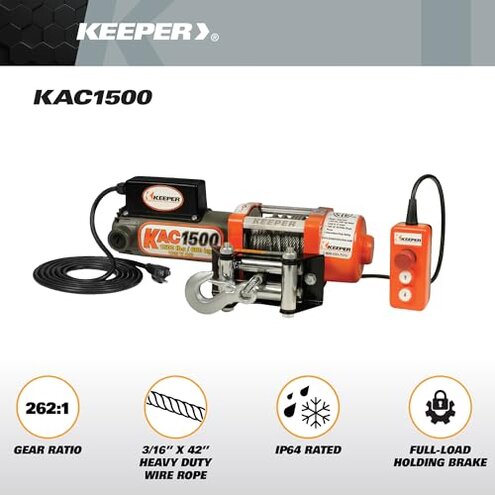
- Frequent users who need daily reliability should avoid it because stoppage reports appear repeatedly during early loaded use.
- Safety-critical lifts where a mid-pull stop creates risk should avoid it due to the more disruptive “stall/quit” pattern.
- Anyone expecting plug-and-play should avoid it because installation and geometry sensitivity show up persistently after setup.
- Precision positioning needs should avoid it since remote/control friction is commonly reported in normal operation.
Who this is actually good for
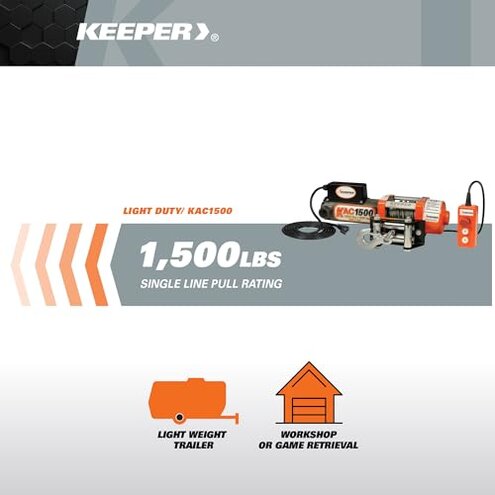
- Occasional light pulls where you can stop and reset are a better fit, if you can tolerate extra setup tuning.
- Garage tinkerers who don’t mind reinforcing a mount and carefully spooling cable can make it work despite the install hassle.
- Short, straight-line tasks like nudging equipment into place fit best, if you accept that load angle sensitivity may limit you.
- Backup winch roles where you have another method available can tolerate the higher-than-normal risk of early failure.
Expectation vs reality
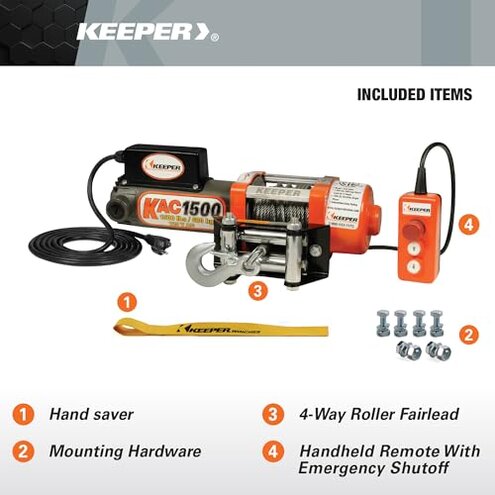
Expectation: a 120V winch is reasonable for this category if it pulls steadily for short garage jobs.
Reality: aggregated feedback suggests steadiness is more conditional than buyers expect, especially after setup when loads are real.
- Expectation: “1500 lb” feels like it should handle many common driveway pulls.
- Reality: buyers often report it feels picky about straight pulls and clean spooling, which adds steps.
| What you plan | What tends to happen |
| Quick install on a basic plate | Extra fitting and bracing for alignment and clearance |
| Simple remote control jogging in/out | More fiddling with cord handling and switch feel |
Safer alternatives
- Pick a margin: choose a winch with more headroom for your job to reduce the stall/quit regret during real loads.
- Favor standard mounts: look for models known for common bracket compatibility to avoid the repeated install friction seen here.
- Prioritize controls: if you need precise positioning, focus on units with a better remote reputation to reduce daily annoyance.
- Plan cable management: choose designs that help even spooling, since sensitivity to drum wrap shows up as a key frustration point.
The bottom line
Main regret trigger: the winch stopping or acting inconsistent during the first real loaded task is more disruptive than typical.
Why it exceeds normal category risk: aggregated feedback points to repeat early-use and setup-sensitivity problems that cost time and can leave you stuck mid-job.
Verdict: avoid this if you need dependable, frequent pulling; consider it only for light, occasional tasks with time to troubleshoot.
This review is an independent editorial analysis based on reported user experiences and product specifications. NegReview.com does not sell products.