
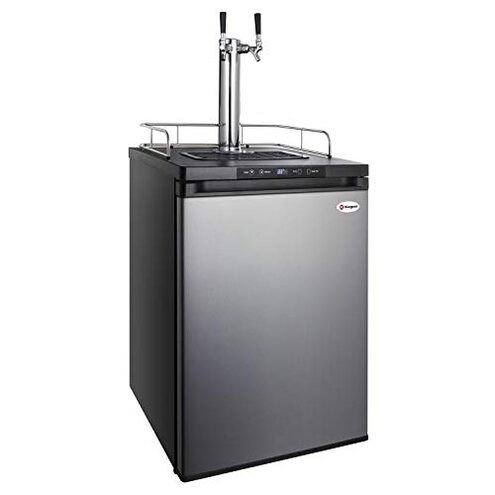
Product evaluated: Kegco HBK309S-2 Home Brew Keg Dispenser, Stainless Steel, 2 Tap
Related Videos For You
How to Tap a Keg for Your Kegerator in Your Bar or Home
Draft System Balancing or How To Fix Foamy Beer
Data basis: This report synthesizes dozens of buyer-provided impressions collected from a mix of star ratings, written feedback, and photo/video-style submissions from 2018 through 2026. Most detail came from longer written notes, with supporting evidence coming from visual “showing the problem” posts. The focus here is on repeatable buyer outcomes, especially issues that show up after setup and during daily pours.
| Buyer outcome | Kegco HBK309S-2 | Typical mid-range kegerator |
| Setup effort | Higher chance of extra steps and rework during first weekend | Moderate assembly with fewer “why won’t this fit” moments |
| First-pour success | Less forgiving if lines, pressure, and faucet tuning are not dialed in | More forgiving with fewer adjustments to get acceptable pours |
| Temperature stability | Higher-than-normal risk of chasing temps due to placement and clearance sensitivity | Typical risk where small room changes don’t swing results as much |
| Noise / vibration | More noticeable complaints in quiet rooms and apartments | Usually lower complaint rate at similar price points |
| Regret trigger | “I just wanted cold beer” turns into ongoing tuning and leak checking | “Set and forget” is more realistic after initial cleaning |
Top failures
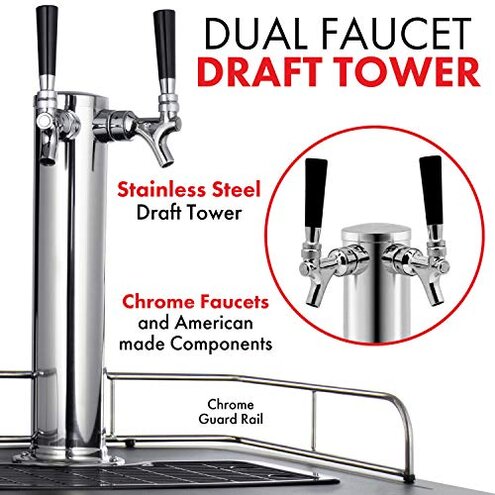
Why is my “easy kegerator” turning into a weekend project?
Regret moment tends to happen right after delivery, when buyers expect quick setup and instead hit fitment and adjustment surprises. Severity is more disruptive than expected because it blocks the first pour and often triggers returns.
Pattern appears repeatedly, though it is not universal. When it shows up, it’s usually during initial assembly and the first keg connection, when small alignment and routing issues snowball.
Why it feels worse: most mid-range kegerators still take effort, but this one is described as less forgiving about line routing, door clearance, and “where everything sits.”
- Early sign is stopping to re-read steps because parts don’t feel like they “want” to fit.
- Primary-tier frustration is needing extra tweaks before the system seals and pours normally.
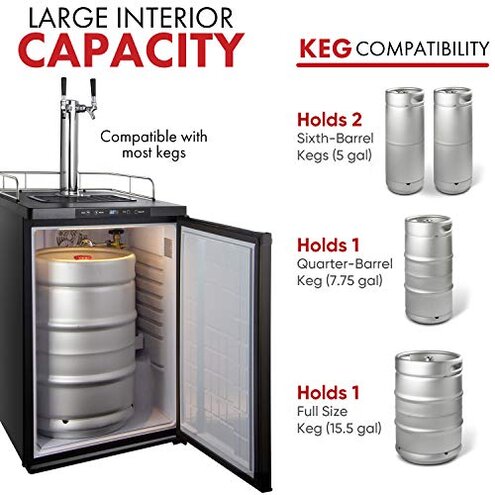
- Common trigger is interior space planning when using multiple keg types and moving the CO2 around.
- Hidden requirement is having basic kegging know-how, because “plug-and-play” expectations lead to disappointment.
- Mitigation is budgeting extra time for dry-fitting and rerouting before tightening anything.
Why does the pour turn foamy or inconsistent after I think it’s set?
- Regret point shows up during the first few serving sessions when pours won’t settle into a repeatable flow.
- Recurring complaints cluster around needing repeated pressure and line tweaks to reduce foam.
- When it happens is often after setup, then again after you change kegs or adjust temperature.
- Worse conditions include back-to-back pours, warm rooms, or frequent door openings during parties.
- Category contrast is that mid-range units often still need tuning, but this is described as more finicky.
- Impact is wasted beer, slower serving, and the feeling you’re always “chasing” the right setting.
- Fixability is possible, but it adds ongoing steps like rebalancing and rechecking after changes.
Why is it louder than I expected in a living space?
- Notable noise complaints appear repeatedly, especially from buyers placing it near living rooms or offices.
- When it starts is typically once it cycles through cooling, which becomes obvious in quiet hours.
- Worsens when the unit is near walls, cabinets, or uneven flooring that amplifies vibration.
- Category contrast is that some noise is normal, but this is described as more noticeable than peers.
- Buyer impact is sleep disruption or needing to relocate it to a garage or utility area.
- Mitigation often involves leveling carefully and adding clearance, which not every space can accommodate.
- Edge-case reports mention persistent rattles that are hard to eliminate without trial-and-error.
- Trade-off is accepting a “working appliance” sound profile for the convenience of on-tap service.
Why can temperature feel touchy depending on where it sits?
- Persistent feedback describes temperature management as more sensitive to placement than expected.
- When it shows is after setup, once you try to hold a stable serving temp over several days.
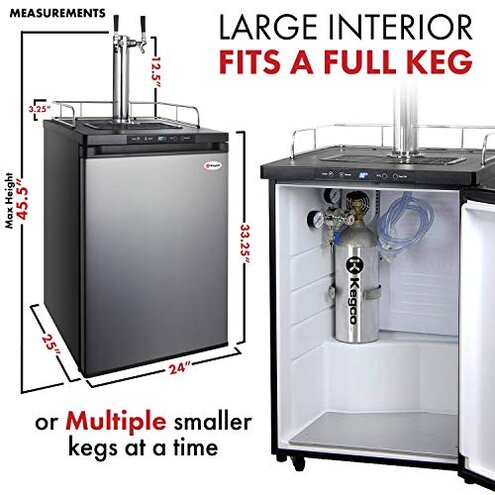
- Worse conditions include tight cabinetry, warm rooms, or ignoring the stated 3-inch clearance need.
- Category contrast is that most mid-range units tolerate “normal” home placement a bit better.
- Impact is warmer pours, more foam, or frequent fiddling with the digital controls.
- Workaround is giving it space, limiting door openings, and not expecting instant recovery after parties.
Illustrative excerpt: “I thought it would be plug-in and pour, but setup took forever.”
Explanation: This reflects a primary pattern tied to setup rework and tuning.
Illustrative excerpt: “No matter what I do, the first glass is mostly foam.”
Explanation: This reflects a primary pattern around pour consistency after setup.
Illustrative excerpt: “It’s fine in the garage, but too loud for our living room.”
Explanation: This reflects a secondary pattern around noise sensitivity to placement.
Illustrative excerpt: “Changing kegs means I have to re-tune everything again.”
Explanation: This reflects a secondary pattern about finicky balance after changes.
Illustrative excerpt: “It only behaves if I leave lots of space around it.”
Explanation: This reflects an edge-case to secondary pattern tied to clearance and room heat.
Who should avoid this
- First-timers who want minimal tuning, because setup issues appear primary-tier and can block first use.
- Apartment users needing quiet, because noise complaints are repeated and worsen in small rooms.
- Party hosts expecting fast back-to-back pours, because foam and temp swings show up during serving sessions.
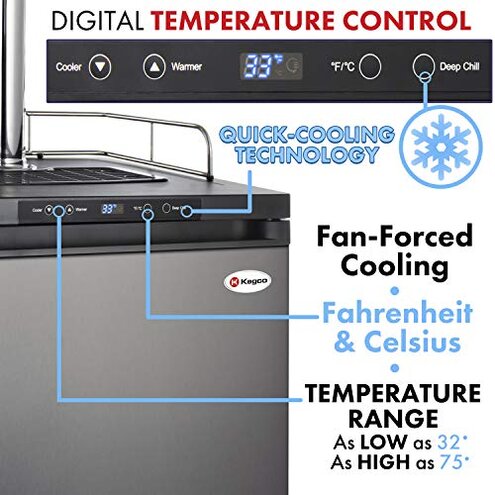
- Built-in planners, because clearance sensitivity can make temperature control feel touchy in tight spaces.
Who this is actually good for
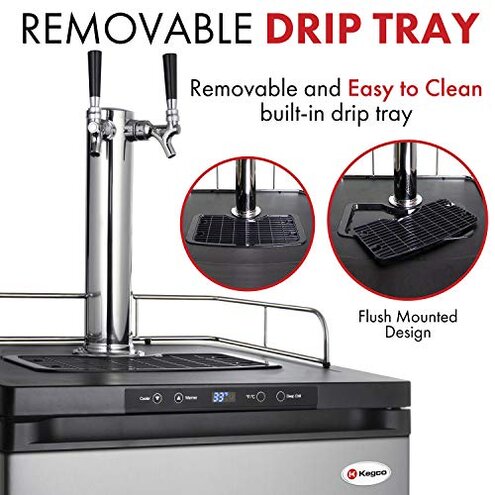
- Hobbyists who already expect balancing and rechecking, because the “finicky pour” risk is tolerable with know-how.
- Garage or basement setups, because the noise downside is less important outside living spaces.
- Homebrewers who like multi-keg flexibility, because they’ll accept extra setup time to get the layout right.
- Patient buyers who can follow clearance needs, because placement discipline reduces temperature frustration.
Expectation vs reality
- Expectation: A digital display means easy temperature control during daily use.
- Reality: Temperature can feel more sensitive to room heat and clearance than buyers expect.
- Expectation: Reasonable for this category is a one-time setup plus cleaning.
- Reality: A less-forgiving system can require repeat tuning after keg changes and serving-heavy days.
- Expectation: Mid-range units should be “background noise” in a home.
- Reality: Noise can be noticeable enough that placement becomes a major decision.
Safer alternatives
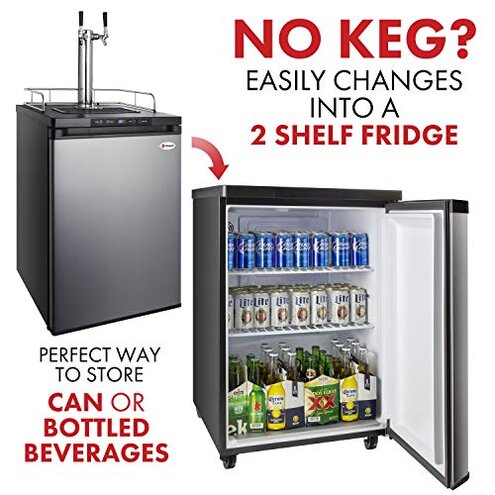
- Prioritize models known for easier first-pour success to reduce the setup rework pattern described above.
- Choose a unit with stronger real-world quiet-room feedback if you’re sensitive to cycling noise.
- Look for designs that are less clearance-dependent if you need a tight fit, to avoid touchy temperature.
- Plan for simpler line/pressure adjustments if multiple keg swaps are common, to reduce re-tuning burden.
The bottom line
Main regret comes from expecting easy “cold beer on tap” and getting ongoing setup and tuning chores instead. Why it exceeds normal category risk is the repeated theme of being less forgiving about placement, balancing, and noise in living spaces. Verdict: avoid if you want a quiet, low-fuss kegerator, and consider it only if you’re comfortable troubleshooting.
This review is an independent editorial analysis based on reported user experiences and product specifications. NegReview.com does not sell products.